Protein in Diet for Weight Loss: What to Know
Short answer
Yes—higher-protein diets can support weight loss, but the effect is modest. Trials show a little more weight and fat loss when protein is higher, especially when the rest of the diet still fits a calorie deficit.
Quick facts
- Higher-protein diets produced about 0.67 kg more weight loss in one 2021 meta-analysis.
- Protein is more filling than carbohydrate or fat.
- EFSA adult reference values include 0.83 g/kg/day as a population reference intake.
- Protein is best spread across the day instead of saved for one large meal.
- Whole foods and powders can both be used; powders are mainly for convenience.
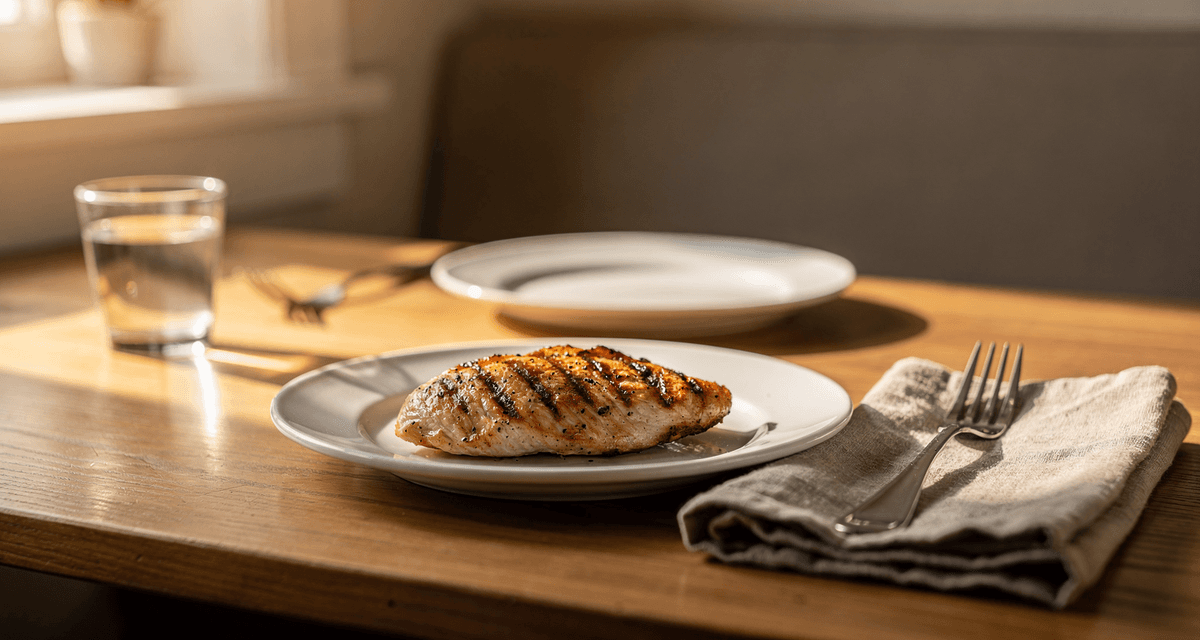
Does a high-protein diet actually help weight loss?
What the trials show
The best evidence says yes, but only modestly. In a 2021 meta-analysis of 54 randomised controlled trials in adults with a mean BMI of about 33 kg/m², higher-protein diets averaged 28% of energy from protein versus 18% in the lower-protein diets. Mean daily energy intake was almost identical in both groups, yet the higher-protein group lost about 0.67 kg more body weight and 0.57 kg more fat mass. 2021 systematic review and meta-analysis in adults
A 2013 meta-analysis of about 32 studies and 3,492 people found slightly greater long-term weight and fat loss with higher-protein, lower-carbohydrate diets. When the protein gap between diets was at least 5 percentage points, fat-mass loss at 12 months was about 0.9 kg greater; when the gap was smaller, the difference was closer to 0.3 kg. 2013 long-term weight maintenance meta-analysis
Why protein changes the way dieting feels
Protein can help because it is more filling than carbohydrate or fat, and it has a higher thermic effect, meaning the body uses more energy to digest and process it. A meta-analysis of macronutrient composition during active weight loss found that a 1% increase in protein was associated with about 3 kcal per day higher resting energy expenditure. Meta-analysis of resting energy expenditure during weight loss
Protein also matters for body composition during weight loss. In older adults, a 2016 meta-analysis found that higher protein intake during energy restriction preserved more lean mass, with about 0.45 kg to 0.83 kg more lean mass retained depending on how intake was expressed. A 2025 network and pairwise meta-analysis of 83 randomised controlled trials also reported lower body mass, BMI, waist circumference and fat mass, plus a small increase in lean body mass. 2016 meta-analysis in older adults 2025 network meta-analysis
| Review | Population | Comparison | Result |
|---|---|---|---|
| 2021 meta-analysis | Adults, mean BMI about 33 kg/m² | 28% vs 18% protein | 0.67 kg more weight loss; 0.57 kg more fat loss |
| 2013 meta-analysis | About 3,492 people | Higher protein, lower carbohydrate | Slightly greater long-term weight and fat loss |
| 2025 meta-analysis | 83 randomised controlled trials | Higher protein vs normal protein | Lower body mass, BMI, waist and fat mass; small lean-mass gain |
What the evidence does not show
Across reviews, higher-protein diets usually perform a little better than lower-protein diets, but the difference is small, not dramatic. 2011 systematic review of 74 trials 2021 meta-analysis
What do official bodies say about protein and weight loss?
Protein is a basic nutrient, not a weight-loss claim
That is the starting point for any label or nutrition discussion: protein is a nutrient the body uses every day, not a promise of weight loss. NIH ODS protein FAQ University Hospitals Sussex kidney leaflet
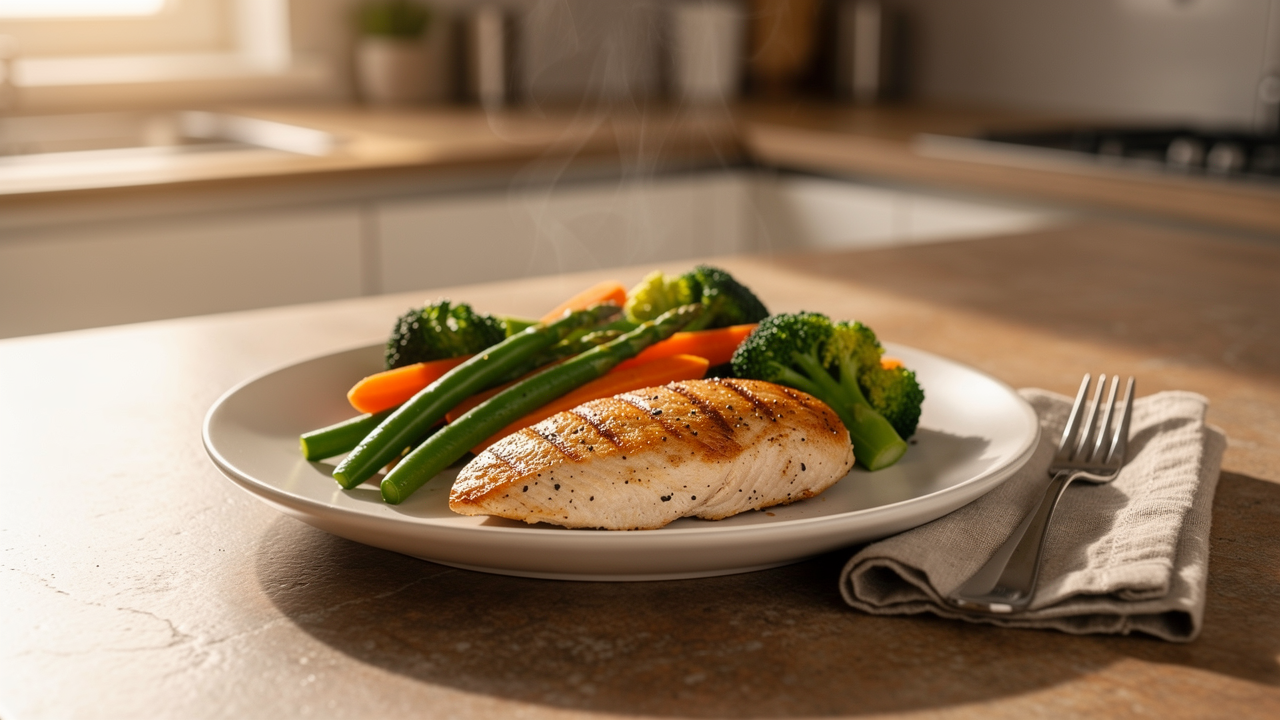
Protein quality also matters. ODS notes that animal proteins are generally complete, while many plant proteins may lack one or more essential amino acids unless foods are combined appropriately. So the most useful comparison is not “best” versus “worst” protein, but whether the source fits the rest of the diet and helps you reach a sensible total intake. NIH ODS protein FAQ ODS scientific report glossary
Reference values are minimums for adequacy, not dieting targets
EFSA’s adult reference values, summarized in Nordic Nutrition Recommendations 2023, give an average requirement of 0.66 g/kg/day and a population reference intake of 0.83 g/kg/day. The same source gives protein at 10–20% of energy, with 15% used for planning, and says that when energy intake is low, the protein share should rise enough to still meet the requirement. These numbers are designed to prevent inadequacy; they are not the same thing as the higher intakes often used in weight-loss plans. Nordic Nutrition Recommendations 2023 protein chapter
| Official figure | Adult value | What it is for |
|---|---|---|
| Average requirement | 0.66 g/kg/day | Average need estimate |
| Population reference intake | 0.83 g/kg/day | Planning reference for most adults |
| Energy share | 10–20% of energy | General planning range |
| During low energy intake | Protein share should increase | Helps still meet the requirement |
What labels are allowed to say
The official line is narrow: claims need authorisation. The FDA’s health-claims guidance explains that food claims must go through a formal process, and it does not give protein a specific weight-management health claim. FDA health claims guidance
Reference values tell you what prevents deficiency; they do not tell you the best intake for dieting.
For everyday shopping, the practical rule is to compare products by protein content, amino-acid profile and digestibility, then judge them within the whole diet rather than chasing one “perfect” protein source.
How much protein should you eat while losing weight?
Use the healthy-adult baseline as your floor
It also sets protein at 10-20% of energy, with 15% used for planning, and says the protein share should rise during low energy intake so requirements are still met.
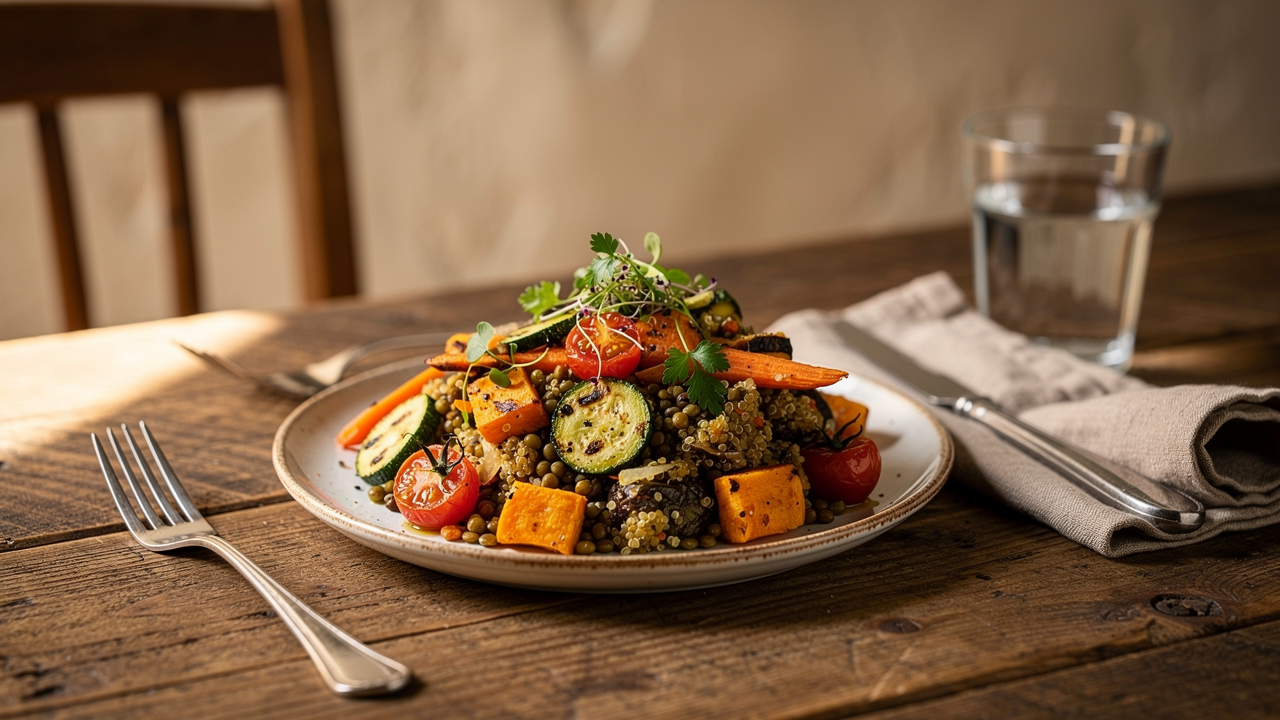
For weight loss, that baseline is a floor rather than a finish line. In a meta-analysis of 54 randomised trials, higher-protein diets at 28% of energy produced modestly greater weight loss and fat-mass loss than lower-protein diets at 18% of energy when calorie intake was similar.
A practical working range for calorie-restricted adults
Older adults and very active adults
A systematic review and meta-analysis in older adults found that higher protein during energy restriction preserved more lean mass than lower intake.
For people who train regularly, the evidence base here does not give one universal target, but the review on whey protein in weight-loss interventions notes that protein’s muscle-preserving effects are strongest when regular physical activity, especially resistance exercise, is part of the plan.
For most dieters, the goal is enough protein to fit a calorie deficit, not the highest gram number possible.
The trial benefits are modest, so once protein is clearly above the minimum, adding more is not automatically better if it leaves too little room for vegetables, fibre-rich foods and other nutrient-dense foods.
Which protein foods and powders are most useful?
For weight loss, the easiest protein sources are the ones that give a useful amount of protein in a serving you can actually eat. NHS renal leaflets list chicken, fish, eggs, dairy, tofu, beans, lentils, chickpeas, and soy foods as protein foods, and the NIH Office of Dietary Supplements says protein quality depends on amino acid composition and digestibility. It also says animal proteins are generally “complete,” while many plant proteins can lack one or more essential amino acids unless they are combined appropriately. University Hospitals Sussex NHS Foundation Trust Northern Care Alliance NHS Foundation Trust NIH ODS FAQ
Whole foods: the most direct options
The same leaflets give practical serving sizes. White fish provides about 34 g protein in a 140 g fillet, chicken about 29 g in a 90 g portion, skyr about 16 g in 150 g, tofu about 13–17 g in 80 g, lentils about 14 g in 150 g cooked, and 2 medium eggs about 12 g. Chickpeas, milk, soy milk, and nuts give smaller but still useful amounts. University Hospitals Sussex NHS Foundation Trust
| Food | Typical serving | Approx. protein |
|---|---|---|
| White fish | 140 g, 1 fillet | 34 g |
| Chicken | 90 g | 29 g |
| Skyr yogurt | 150 g | 16 g |
| Tofu | 80 g | 13–17 g |
| Lentils | 150 g cooked | 14 g |
| Eggs | 2 medium | 12 g |
| Chickpeas | 150 g, ½ drained can | 10 g |
| Cow’s milk | 200 ml | 7 g |
| Soy milk | 200 ml | 5 g |
| Nuts | 30 g | 4–8 g |
The ODS FAQ says plant proteins can be combined appropriately to reach completeness, and the Northern Care Alliance leaflet calls beans, lentils, chickpeas, and vegetarian meat alternatives good protein foods. NIH ODS FAQ Northern Care Alliance NHS Foundation Trust
What powders add
Whey is described by ODS as fast-digested with high biological value, while casein digests more slowly and can provide a more sustained amino-acid release. In adults with obesity, a 2026 systematic review found whey supplementation generally supported maintenance or modest improvement of fat-free mass in some weight-loss programs, but several trials were neutral and the certainty of evidence was often limited. That means digestion speed is not the same thing as better fat loss. NIH ODS Exercise and Athletic Performance fact sheet Whey protein supplementation systematic review
Use powders for convenience and protein count, not because they are automatically better than food for losing body fat.
For many people, the practical choice is the source that fits the day: whole foods when meals are easy to plan, and powders when you need a simple way to add protein. Whey protein supplementation systematic review
How do you build meals that keep hunger down?
Spread protein across the day
A workable pattern is to avoid “saving” most protein for dinner. The NIH Office of Dietary Supplements notes that athletes commonly use about 0.3 g/kg of high-quality protein every 3–5 hours, and that a 27.5–40 g casein snack before sleep can be used in that context. The practical takeaway is simple: build each eating occasion around a clear protein source instead of relying on one large evening portion.
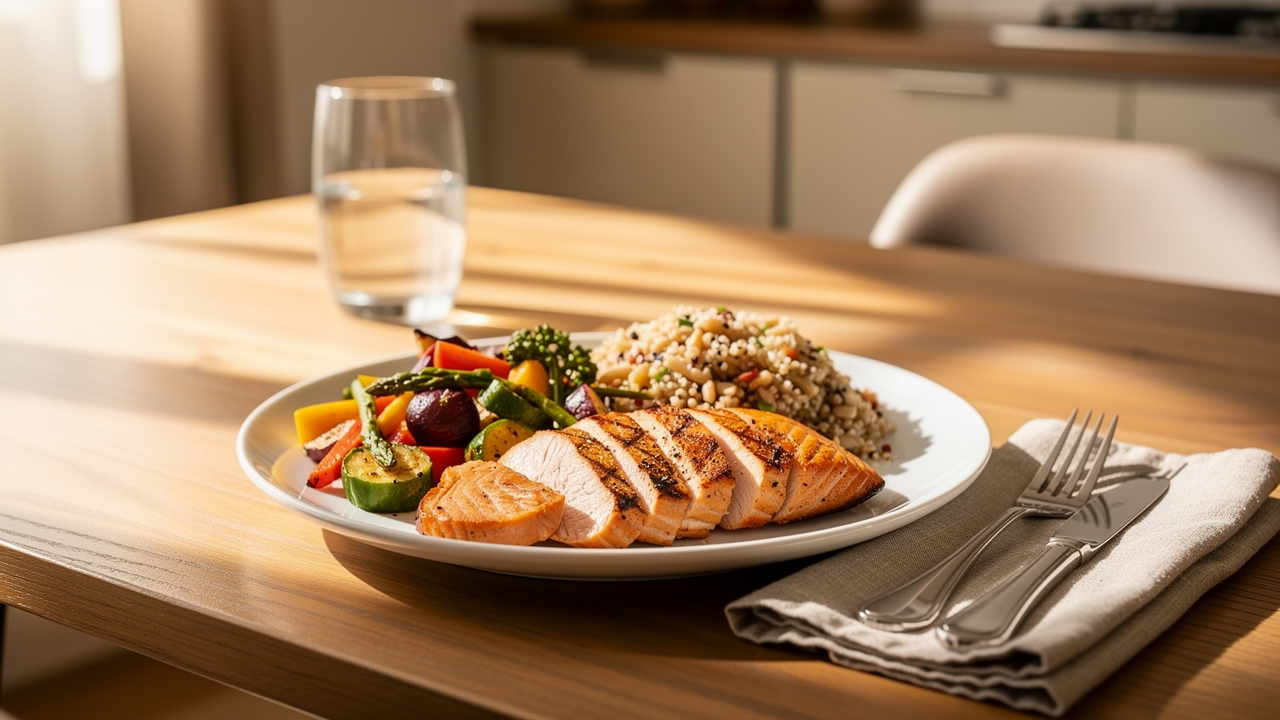
For everyday meals, NHS renal guidance also describes protein as something to include in moderate amounts spread throughout the day, and it suggests small meals or snacks every 2–3 hours when appetite is poor. That pattern is useful for busy schedules too: breakfast, lunch, dinner, and one or two planned snacks are easier to execute than a single oversized meal.
Use protein with high-volume, lower-calorie foods
Protein meals are easier to live with when they are built around vegetables, fruit, legumes, and whole grains rather than calorie-dense extras. The renal leaflet lists beans, lentils, chickpeas, eggs, fish, meat, yoghurt, and vegetarian alternatives as protein foods, and it pairs them with starchy foods such as bread, rice, pasta, oats, and potatoes. That gives you a useful template: one protein item, one high-fibre plant food, and one starch or whole grain, with sauces and fats kept modest.
| Meal | Simple template | Busy-day or eating-out version |
|---|---|---|
| Breakfast | Protein food + oats or wholegrain toast + fruit | Yoghurt/skyr and fruit; or eggs with toast |
| Lunch | Beans, lentils, tofu, chicken, fish, or eggs + salad or vegetables + whole grains | Soup with beans or lentils; sandwich with a clear protein filling |
| Dinner | Protein main + two vegetables + a modest portion of rice, pasta, potatoes, or whole grains | Grilled protein with vegetables and a simple starch |
| Snack | Protein-dense food in a small portion | Yoghurt, eggs, cheese, tofu, or a small portion of nuts |
Adjust the pattern for older adults, plant-based eaters, and active people
The renal leaflet notes that older adults may need more protein, so breakfast should not be the “light” meal that gets skipped. For vegetarians and vegans, the same leaflet highlights beans, lentils, chickpeas, tofu, tempeh, and vegetarian meat alternatives, which makes it easier to put protein into more than one meal without relying on meat. For active people, the ODS fact sheet gives a practical timing model: protein every 3–5 hours, with a pre-sleep casein serving sometimes used alongside training days.
Build each meal around one clear protein source, then add fibre-rich plants and a sensible starch so the plate is filling without becoming oversized.