Which foods are highest in magnesium? Charts, sources & tips
Short answer
There is no single permanent winner for magnesium because rankings change with the database and the serving basis used. In this article, seed- and nut-based foods are the most magnesium-dense, while legumes, soy foods, leafy greens and cocoa products also contribute.
Quick facts
- No single universal top food exists for magnesium.
- Roasted pumpkin and squash seed kernels are very magnesium-dense.
- Soybeans, butter beans, beet greens, cacao and bitter chocolate are named as rich sources.
- Adult reference values shown are 420 mg/day for men and 320 mg/day for women.
- Magnesium from food is usually well handled by healthy kidneys.
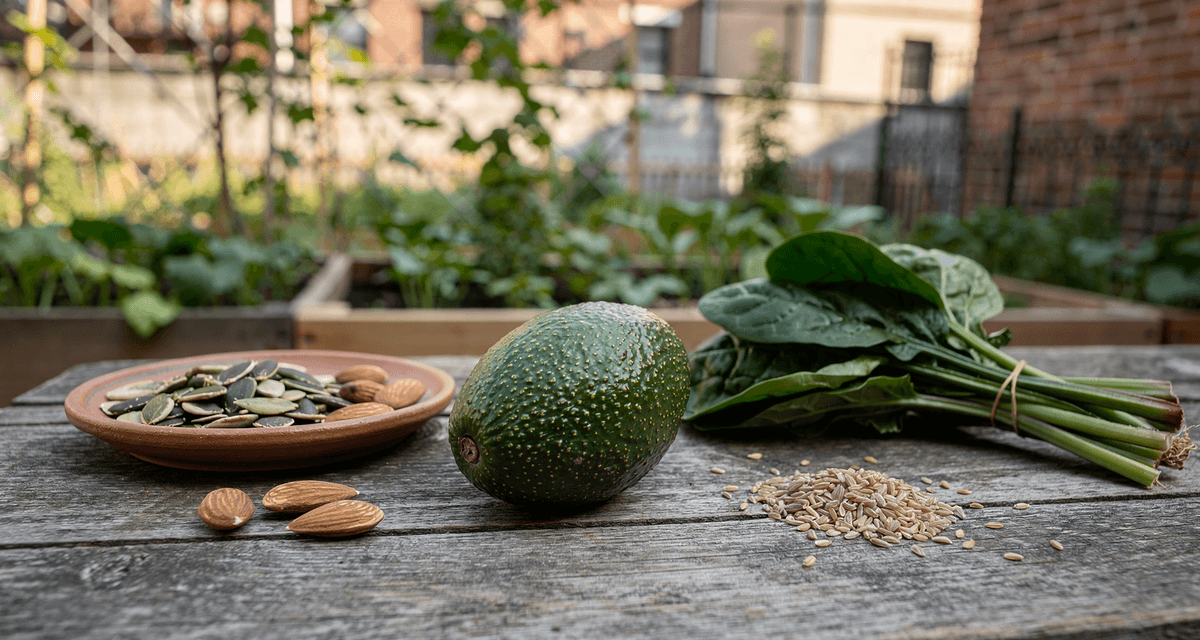
Which food is highest in magnesium?
No single universal winner
There is no permanent top food for magnesium because the ranking changes with the database, the form of the food, and the way the comparison is made. USDA FoodData Central says nutrient values can be reported on a 100-gram or percent basis of the edible portion, and some foods are also shown in household measures such as 1 cup or 1 tablespoon. A food can therefore look best on a serving chart and rank differently on a 100 g chart.
The usual retail headline name
Why the answer changes
That puts seed- and nut-based foods at the opposite end of many magnesium tables.
| How the food is compared | What it means for the ranking | Practical reading |
|---|---|---|
| 100 g edible portion | Standardises foods on the same weight basis | Best for comparing true magnesium density |
| Household serving, such as 1 cup | Uses a real-life portion size | Can make dry foods look especially high |
| Branded, specialty, or fortified products | May include added magnesium | The top result can change versus ordinary retail foods |
How to read the headline correctly
Which foods are highest in magnesium per 100 g?
USDA FoodData Central says mineral values are reported on an edible-portion, 100-gram basis, and it also provides separate portion information for some foods such as cups, tablespoons, or servings USDA Foundation Foods documentation. In the public magnesium list available here, the visible rows are surfaced as household measures and servings, not as a complete per-100 g leaderboard USDA magnesium list.
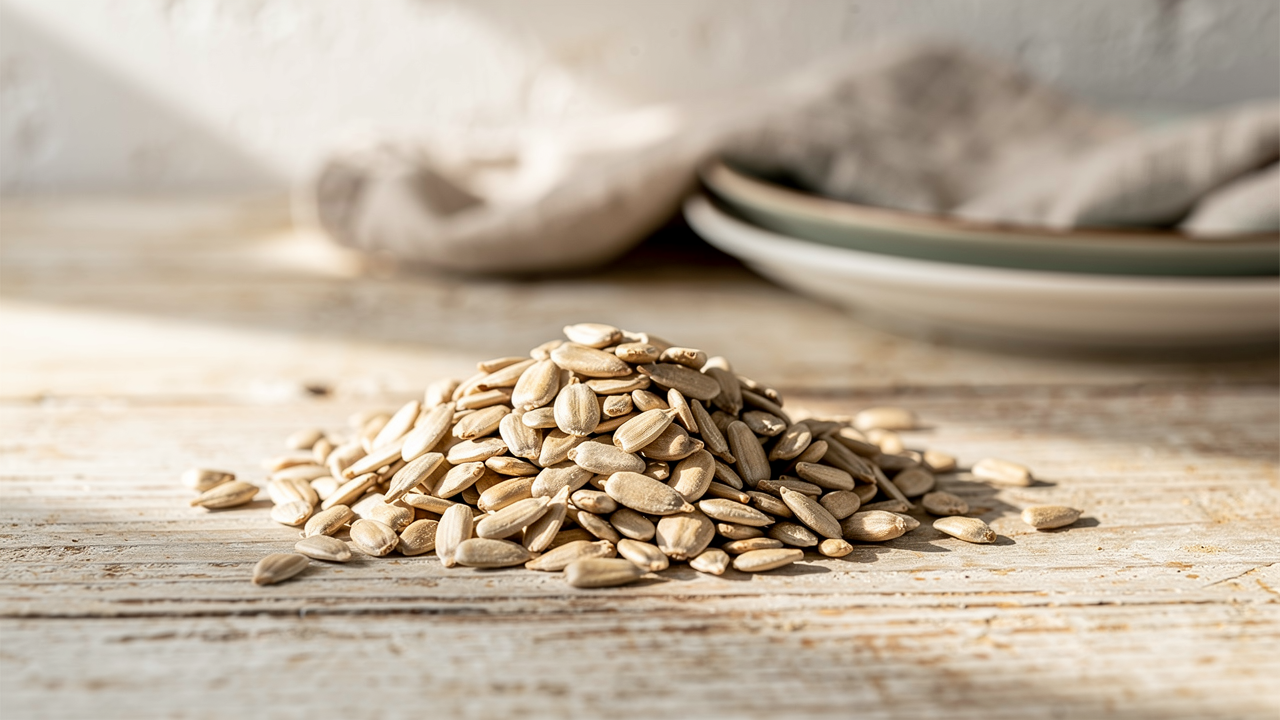
Less common source at the top of the visible USDA list
The EU Scientific Committee on Food notes that foods with less than 25 mg magnesium per 100 g include meat, most fish, fruit, and most vegetables EU Scientific Committee on Food opinion. That is why seed-kernel products are easy to spot as magnesium-dense outliers in the USDA material, even before you get to a full per-100 g ranking.
Everyday foods visible in the same USDA excerpt
For this public excerpt, the safest reading is not “this food is highest per 100 g,” but “this food is highest in the visible USDA magnesium list, shown with a serving measure.”
For a strict per-100 g comparison across all foods, the public excerpt does not expose the full sortable table, so readers should treat this as a practical chart of the strongest visible entries rather than a definitive global ranking USDA Foundation Foods documentation.
What foods contain magnesium beyond seeds and nuts?
Seeds still set the density benchmark: the USDA magnesium list shows roasted pumpkin and squash seed kernels at 649 mg of magnesium per cup. But the foods that contribute magnesium in ordinary eating are wider than seeds alone, and the EU Scientific Committee on Food notes that meat, most fish, fruit, most vegetables and dairy are generally below 25 mg per 100 g.
Everyday magnesium foods by category
| Category | What the evidence says | Practical examples named in the sources |
|---|---|---|
| Legumes and soy foods | The EU report names foods above 100 mg per 100 g in this group. | Soybeans, butter beans |
| Leafy greens | The EU report names foods above 100 mg per 100 g in this group. | Beet greens |
| Cocoa products | The EU report names foods above 100 mg per 100 g in this group. | Cacao, bitter chocolate |
| Nuts and seeds | The USDA list shows very high magnesium density for seed kernels. | Roasted pumpkin and squash seed kernels |
| Fish and seafood | The EU report places most fish below 25 mg per 100 g. | Most fish |
| Dairy | The EU report places dairy below 25 mg per 100 g. | Dairy foods |
| Fruit | The EU report places fruit below 25 mg per 100 g. | Fruit |
| Whole grains | The public EU excerpt does not give a per-100 g figure here. | Check item by item in FoodData Central |
| Fortified foods | Magnesium content varies by product and needs product-by-product checking. | Check item by item in FoodData Central |
What to expect from mixed meals
The practical takeaway is that magnesium usually comes from a mix of foods across the day, not just one headline ingredient. The same EU document that highlights the richer foods also shows that several common categories sit in the low-density range, so a meal pattern with legumes, greens, dairy, fruit, fish or cocoa can still add up even when no single item is a top source. EU Scientific Committee on Food report
That is why a shopping list for magnesium does not need to be limited to seeds. Soybeans, butter beans, beet greens, cacao and bitter chocolate are all named in the EU report as foods above 100 mg per 100 g, while the USDA list confirms that seed kernels are in a different league for concentration. EU Scientific Committee on Food report USDA magnesium list
How to check ordinary foods in practice
If you are comparing dairy products, grain-based foods or fortified products, USDA FoodData Central explains that reported values are based on the edible portion and are organised on a 100 g basis, with searches available by food name or nutrient name. That makes it easier to compare the same food in different forms instead of guessing from the label alone. USDA FoodData Central Foundation Foods documentation
Magnesium is not a one-food story: seeds are the densest, but legumes, soy foods, leafy greens, cocoa, fish, dairy and fruit can all contribute across a normal day.
How much magnesium do adults need, and what does it do?
Adult reference values in the sources
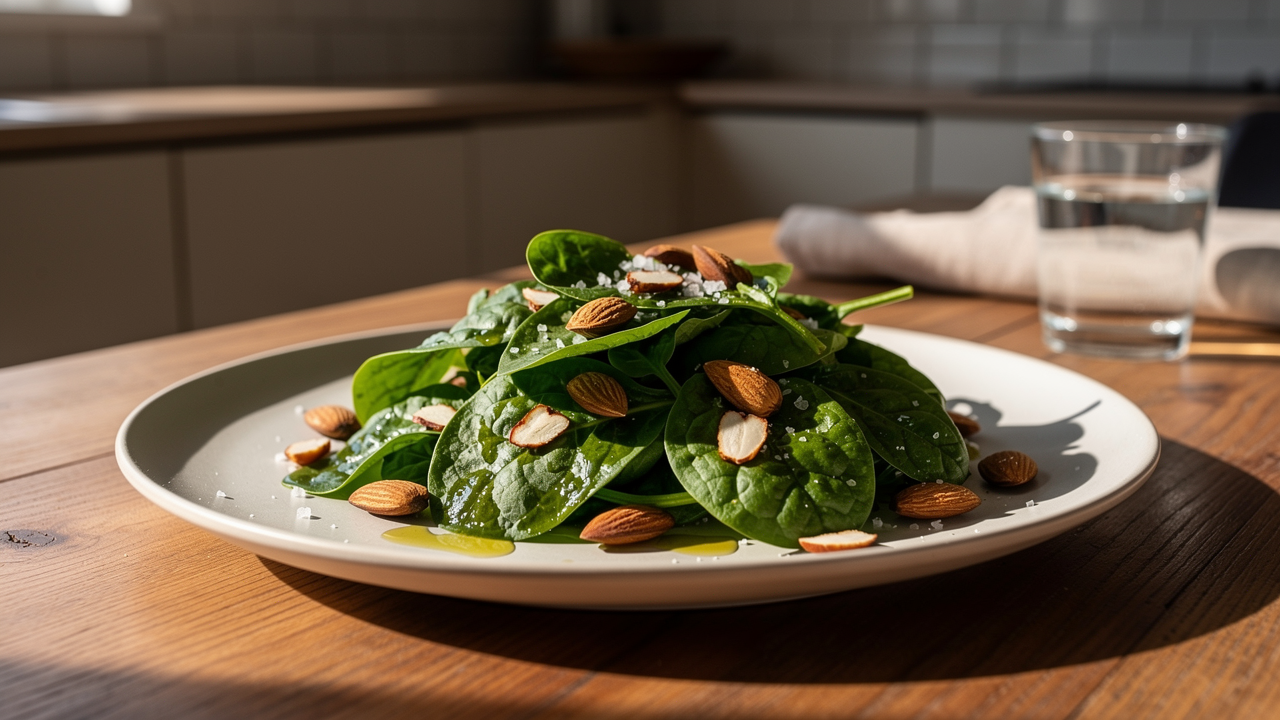
The clearest adult numbers in the retrieved material come from the U.S. NIH Office of Dietary Supplements: 420 mg/day for men and 320 mg/day for women, with pregnancy and lactation slightly higher at about 350–360 mg/day. The same NIH source says the tolerable upper intake level for supplemental magnesium in adults is 350 mg/day, and that this limit applies to supplements rather than magnesium naturally present in food (NIH ODS magnesium fact sheet; PubMed review on global dietary magnesium deficiency).
| Population group | Number shown in the retrieved material | Authority |
|---|---|---|
| Adult men | 420 mg/day | U.S. RDA as quoted by NIH ODS and the PubMed review |
| Adult women | 320 mg/day | U.S. RDA as quoted by NIH ODS and the PubMed review |
| Pregnancy | About 350–360 mg/day | NIH ODS |
| Lactation | About 350–360 mg/day | NIH ODS |
| Older adults | No magnesium-specific number is shown in the captured EFSA text here | EFSA framework pages |
How EFSA frames the same question
EFSA uses dietary reference values rather than U.S.-style RDAs. Its framework includes the average requirement, population reference intake, adequate intake, reference intake range and tolerable upper intake level, and these values are set for healthy people by life stage and sex (EFSA dietary reference values; EFSA DRVs summary report).
What magnesium does in the body
EFSA also notes that nutrient requirements vary with absorption and with body functions such as renal function, which is why reference values are grouped by age and life stage instead of being one fixed figure for every adult (EFSA dietary reference values).
What do research and authorised claims say about magnesium?
What can be said on a magnesium food?
| Permitted wording | Condition |
|---|
What the research is strongest for
The clearest evidence in the retrieved reviews comes from usual dietary intake. A dose-response meta-analysis of prospective cohort studies found that each additional 100 mg/day of dietary magnesium was associated with a 6% lower all-cause mortality risk and a 5% lower cancer mortality risk, while supplemental or total magnesium intake was not significantly associated with those outcomes. PubMed dose-response meta-analysis
A systematic review on metabolic syndrome reported lower risk in the highest magnesium-intake groups, with an odds ratio of 0.73 versus the lowest intake groups, although the serum-magnesium findings were heterogeneous. PubMed systematic review on metabolic syndrome
How to read those findings
Those results are informative, but they are still observational: they show associations in real diets, not proof that any single food, or a supplement, will produce the same pattern. The retrieved material also notes limits in magnesium-status biomarkers and variability in food composition, so the safest reading is that magnesium-rich foods fit best into an ordinary diet, while supplements are a separate question.
Which magnesium-rich foods also give you potassium?
The clearest dual-mineral choices in the supplied data are nuts and seeds. Almonds provide 275 mg magnesium and 728 mg potassium per 100 g, while pistachios provide 121 mg magnesium and 1,025 mg potassium per 100 g. Raisins are potassium-heavy at 825 mg per 100 g, so they work better as a pairing ingredient than as the main magnesium source. USDA-based nut data and potassium table
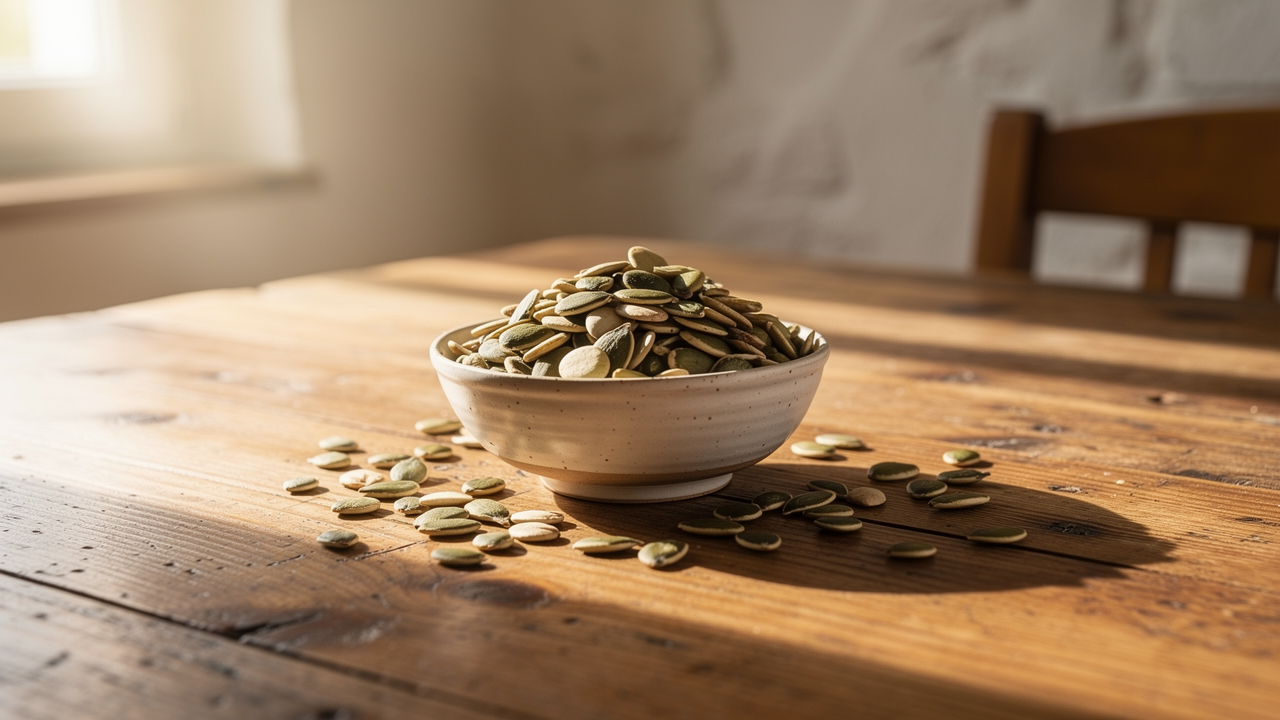
Foods that pull their weight on both minerals
| Food | Magnesium | Potassium | Practical role |
|---|---|---|---|
| Almonds | 275 mg/100 g | 728 mg/100 g | Balanced base |
| Pistachios | 121 mg/100 g | 1,025 mg/100 g | Potassium-rich companion |
| Raisins | Not reported in the retrieved table | 825 mg/100 g | Sweet potassium add-on |
| Pumpkin or squash seed kernels | 649 mg per cup | Not reported in the retrieved source | Magnesium-dense anchor |
How to build a potassium-plus-magnesium plate
For a simple plate, combine one magnesium-dense food with one potassium-dense food rather than expecting a single ingredient to do everything. Almonds with raisins is the most direct pairing from the available data: the almonds supply both minerals, and the raisins raise potassium further. Pistachios with almonds is another useful mix when you want a larger potassium contribution while keeping magnesium in the meal. Almond and pistachio values Raisin potassium values
One ingredient rarely does both jobs well: pair a magnesium-dense food with a potassium-dense one.
A common mistake is to focus only on the most magnesium-dense seed and miss the potassium side of the meal. In the supplied data, pumpkin or squash seed kernels stand out for magnesium density, but potassium-rich additions such as almonds, pistachios, or raisins make the plate more useful when both minerals are the goal. USDA magnesium list
How should you choose the best magnesium foods?
Start with the serving you actually eat, not the number printed for 100 g. The NIH Office of Dietary Supplements magnesium fact sheet says that about 30% to 40% of magnesium from foods and beverages is absorbed, and that foods high in fibre and phytates can bind magnesium and reduce absorption. It also notes that refining grains removes magnesium-rich bran and germ. A chart can therefore rank a food highly and still overstate what you get in a normal meal if the portion is tiny or the food is heavily processed.
The best magnesium food is the one you will eat often enough, in a portion that fits the chart you are using.
Read magnesium tables as a snapshot, not a final answer
USDA’s Foundation Foods documentation explains why nutrient values move around: the database includes sample counts, sampling location, collection dates and analytical methods, and it can also include agricultural details such as genotype and production practices. It also says raw analytical data are rounded for display, and that some nutrients may not yet be analysed for every food. That means cultivar differences, growing conditions, processing and the exact form of the food on your plate can all change the number behind the same food name.
Use the database entry that matches how you eat the food. A raw seed, a roasted seed and a cooked grain are not interchangeable just because they share a label category. For practical shopping, this matters more than chasing the single highest figure on a chart.
Choose foods you can repeat week after week
| Food | Typical amount | Magnesium | Real-world fit | Source |
|---|---|---|---|---|
| Pumpkin seeds | 1 oz | About 156 mg | Very concentrated, easy to add to snacks or toppings if you like seeds | ODS |
| Almonds | 1 oz | About 80 mg | Portable and familiar, but only useful if you actually snack on them | ODS |
| Black beans | 1/2 cup | About 60 mg | Good for meals if you prefer something with a spoon or fork rather than a snack | ODS |
| Boiled spinach | 1/2 cup | About 78 mg | Useful when you want magnesium in a cooked vegetable rather than a snack food | ODS |
For many readers, the best choice is the food with the best mix of taste, convenience and tolerability. If a food is cheap but you dislike it, or rich in magnesium but hard to digest comfortably, it will not matter much in daily life. If you want the simplest rule, pick one seed, one legume and one leafy green you can eat regularly, then use the serving size that matches your routine.
Avoid the common chart mistake
A high per-100 g value does not automatically mean a better daily result. If you only eat a small spoonful, the total magnesium is still modest. If you eat a more ordinary portion of a slightly lower-ranking food every day, the weekly intake can be more useful in practice. That is why the most helpful magnesium foods are the ones you can keep on the menu without forcing the serving size.
Who should be careful with magnesium-rich foods?
For healthy people, magnesium from food is usually not the problem: the NIH Office of Dietary Supplements says naturally occurring magnesium in foods is not associated with toxicity in healthy individuals because the kidneys can eliminate excess magnesium. The main caution starts when magnesium comes from supplements or magnesium-containing medicines, where intake can rise beyond food alone. NIH Office of Dietary Supplements magnesium fact sheet
Kidney function is the main checkpoint
People with impaired kidney function are the group that needs the closest review, because the body’s normal route for removing extra magnesium is less dependable. The same fact sheet sets the tolerable upper intake level for supplemental magnesium at 350 mg/day for adults, and lists child upper levels from 65 mg/day to 350 mg/day depending on age. NIH Office of Dietary Supplements magnesium fact sheet
| Situation | Why caution matters | Practical step |
|---|---|---|
| Healthy adult eating magnesium-rich foods | Food magnesium is usually handled well by the kidneys | Food alone is rarely the concern |
| Impaired kidney function | Excess magnesium is harder to remove | Get medical advice before using magnesium supplements or magnesium-containing products |
| Using magnesium supplements | Supplemental intake can exceed the 350 mg/day adult UL | Check the label and total daily intake |
| Taking several medicines | Magnesium can affect medicine absorption | Ask a clinician or pharmacist to review the full medicine list |
Medicines that can be affected
The fact sheet says magnesium supplements may affect absorption of certain medicines, including antibiotics and bisphosphonates, and that some medicines such as diuretics and proton-pump inhibitors may deplete magnesium. If you use several medicines, the safest step is to have the whole list checked before adding a magnesium supplement on top of magnesium-rich foods. NIH Office of Dietary Supplements magnesium fact sheet
When to seek medical advice
Seek medical advice if you have kidney disease, if you use magnesium supplements as well as magnesium-rich foods, or if you take medicines that can interact with magnesium. Very high supplemental or medicinal magnesium intake may cause severe symptoms such as hypotension, vomiting, respiratory difficulty, irregular heartbeat, or cardiac arrest, so those symptoms need prompt attention. NIH Office of Dietary Supplements magnesium fact sheet
Safety and precautions
Magnesium from food is usually well handled by healthy kidneys, but supplements and magnesium-containing medicines can raise intake too far. Ask a healthcare professional before using magnesium if you are pregnant, giving it to a child, have kidney problems, or take medicines such as antibiotics, bisphosphonates, diuretics or proton-pump inhibitors.
If you use supplements, check the label and total daily intake carefully. Seek medical advice promptly for severe symptoms after high supplemental or medicinal magnesium intake.
Supplements with the ingredients in this article
Compare contents, dose and price
Frequently asked questions
Can mineral water contribute to magnesium intake?
This article does not discuss mineral water, so it does not give a magnesium value for it. The main takeaway here is that magnesium intake usually comes from a mix of foods across the day.
Does cooking reduce magnesium in vegetables, grains, or legumes?
The article does not say that cooking itself lowers magnesium in vegetables, grains, or legumes. It does note that refined grains lose magnesium-rich bran and germ, and it gives boiled spinach as an example of a cooked food that still contains magnesium.
Is cocoa powder a better magnesium source than dark chocolate?
The article does not compare cocoa powder and dark chocolate head-to-head. It does say that cacao and bitter chocolate are both magnesium-rich, so the better source depends on the exact product and portion size.
Can I build a magnesium-rich breakfast without seeds or nuts?
Yes. The article shows that magnesium-rich choices are not limited to seeds and nuts; legumes, soy foods, leafy greens and cocoa products also contribute. It also notes that magnesium usually comes from a mix of foods across the day, so breakfast can still play a role.
Can a vegetarian or vegan diet cover magnesium needs without supplements?
The article does not make a specific vegetarian or vegan guarantee, but it does list many plant foods that contribute magnesium. A varied plant-based menu can include legumes, soy foods, leafy greens, cocoa, nuts, seeds, whole grains and fruit. The article does not say supplements are always unnecessary.
Sources
- USDA National Nutrient Database-Magnesium (external link)
- EUROPEAN COMMISSION (external link)
- Foundation Foods Documentation | USDA FoodData Central (external link)
- Dietary Reference Values for nutrients Summary report (external link)
- Magnesium - Health Professional Fact Sheet (external link)
- Dietary reference values | EFSA (external link)
- Total, Dietary, and Supplemental Magnesium Intakes and Risk of All-Cause, Cardiovascular, and Cancer Mortality: A Systematic Review and Dose-Response Meta-Analysis of Prospective Cohort Studies - PubMed (external link)
- Magnesium status and the metabolic syndrome: A systematic review and meta-analysis - PubMed (external link)
- Health Benefits of Nut Consumption - PMC (external link)
- Beneficial Effects of High Potassium: Contribution of Renal Basolateral K+ Channels - PMC (external link)
- Dietary Supplements in the Time of COVID-19 - Health Professional Fact Sheet (external link)
Read more
- Magnesium Sachets: What to Know Before You Buy
- Magnesium vs Manganese: What’s the Difference and How to Choose?
- Viridian Magnesium: Forms, Label Amounts and Comparisons
- What Is Magnesium? Forms, Uses, and Nutrition
- What does magnesium do in the body?
- Can You Take Magnesium With Water? Forms, Absorption & Safety
Products related to this article
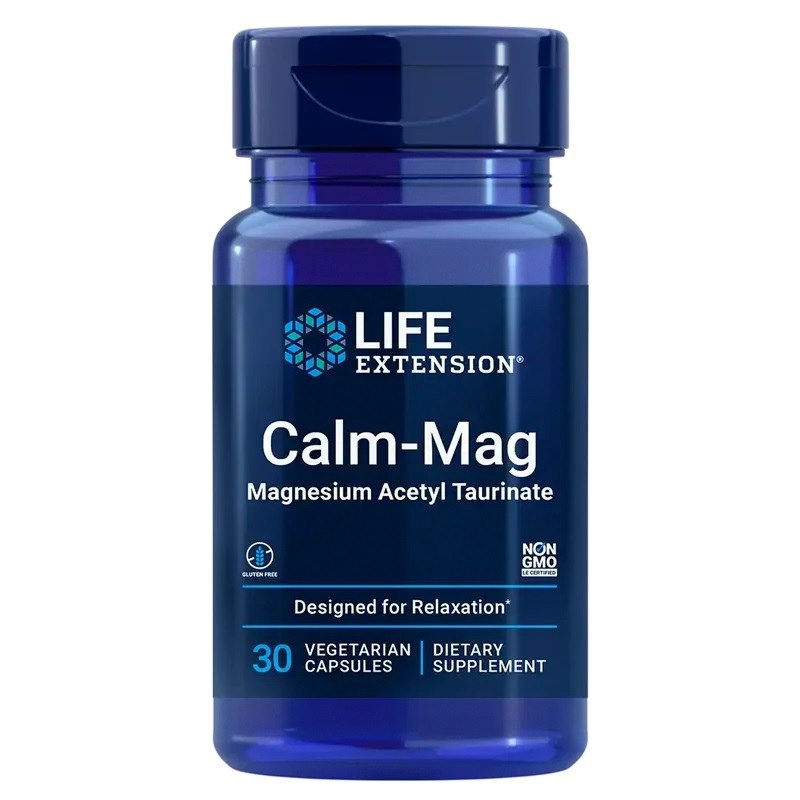
Life Extension
Life Extension - Calm-Mag - 30 Vcaps
286 krIn stockWhy is this shown?
Historiskt katalogurval. Innehåll, mängd och form behöver kontrolleras mot aktuellt underlag.
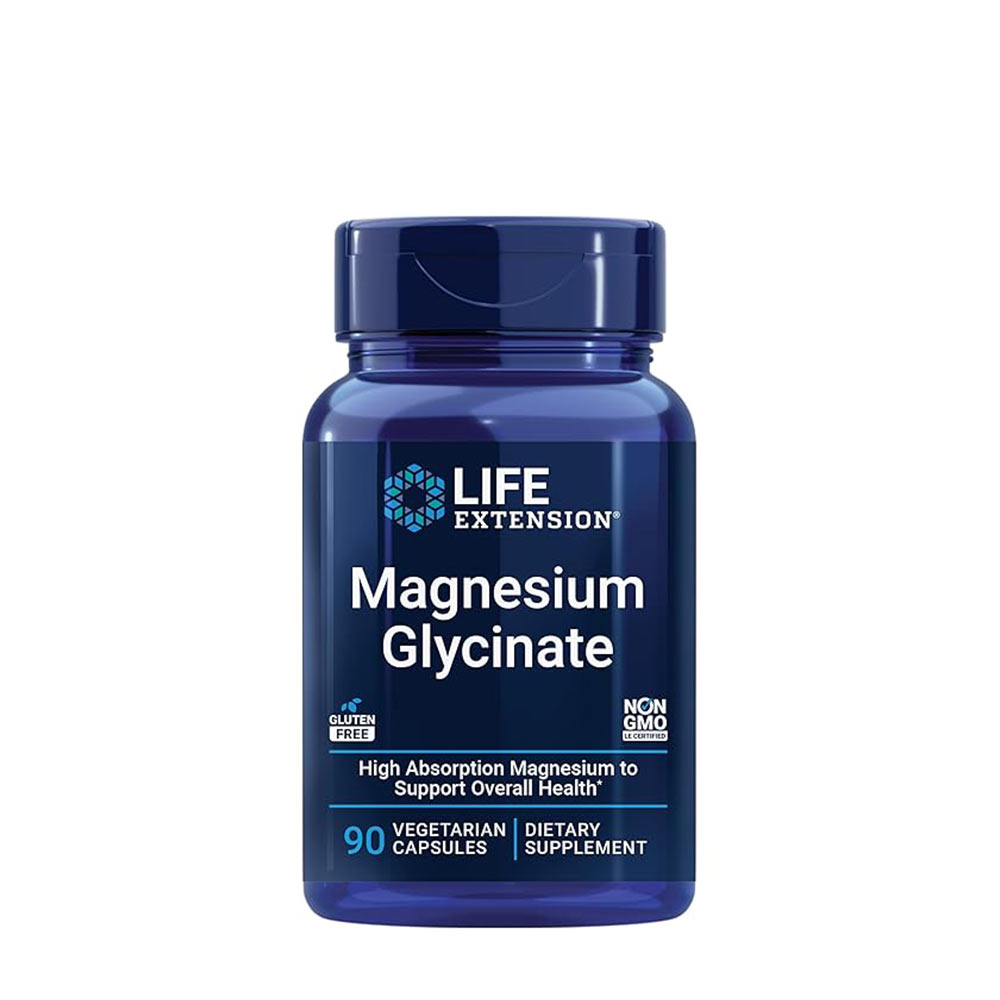
Life Extension
Life Extension - Magnesium Glycinate - 90 Vcaps
260 krIn stockWhy is this shown?
Historiskt katalogurval. Innehåll, mängd och form behöver kontrolleras mot aktuellt underlag.
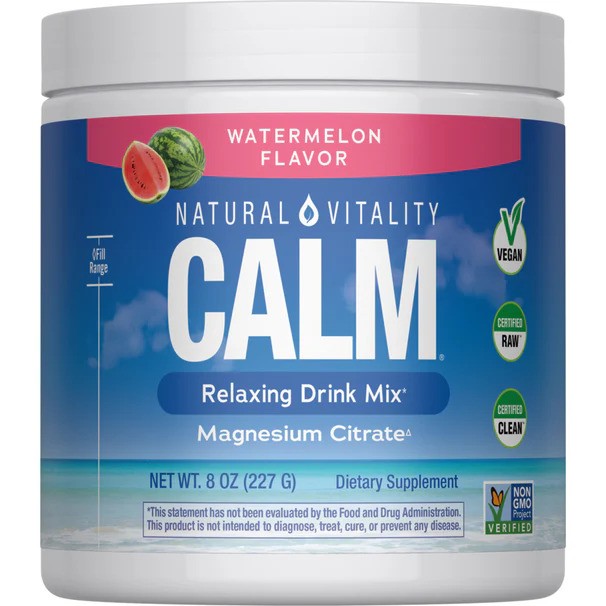
Natural Vitality
Natural Vitality - Calm Magnesium Powder (Watermelon - 227g)
284 krIn stockWhy is this shown?
Historiskt katalogurval. Innehåll, mängd och form behöver kontrolleras mot aktuellt underlag.
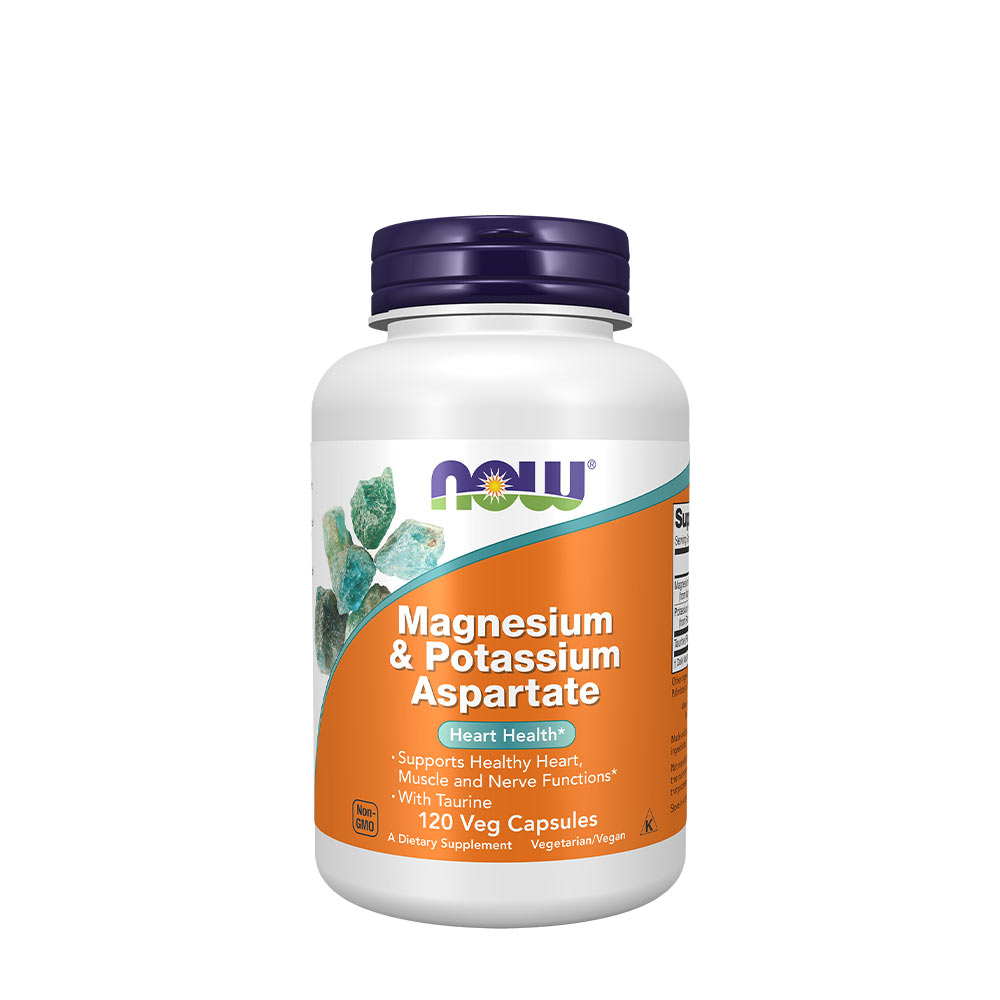
NOW Foods
NOW Foods - Magnesium & Potassium Aspartate - 120 Vcaps
210 krIn stockWhy is this shown?
Historiskt katalogurval. Innehåll, mängd och form behöver kontrolleras mot aktuellt underlag.
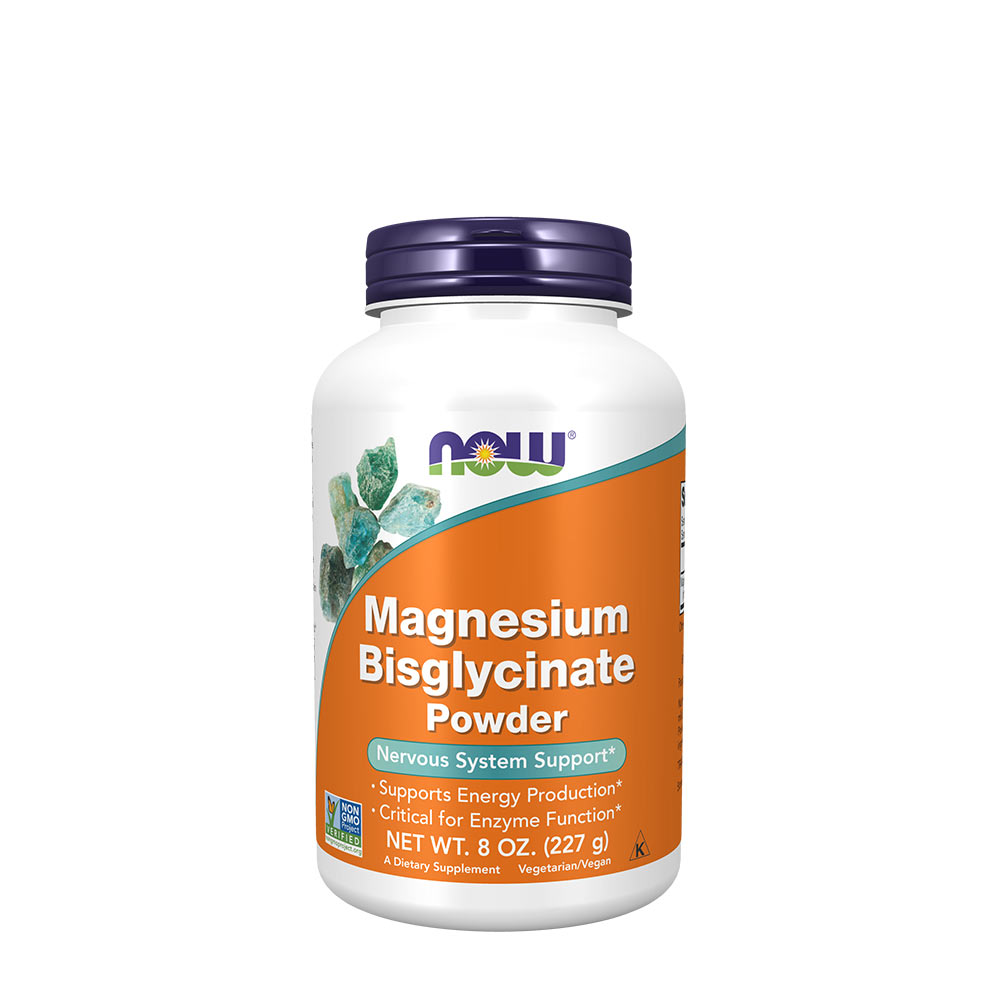
NOW Foods
Now Foods - Magnesium Bisglycinate Powder - 227g
235 krIn stockWhy is this shown?
Historiskt katalogurval. Innehåll, mängd och form behöver kontrolleras mot aktuellt underlag.


