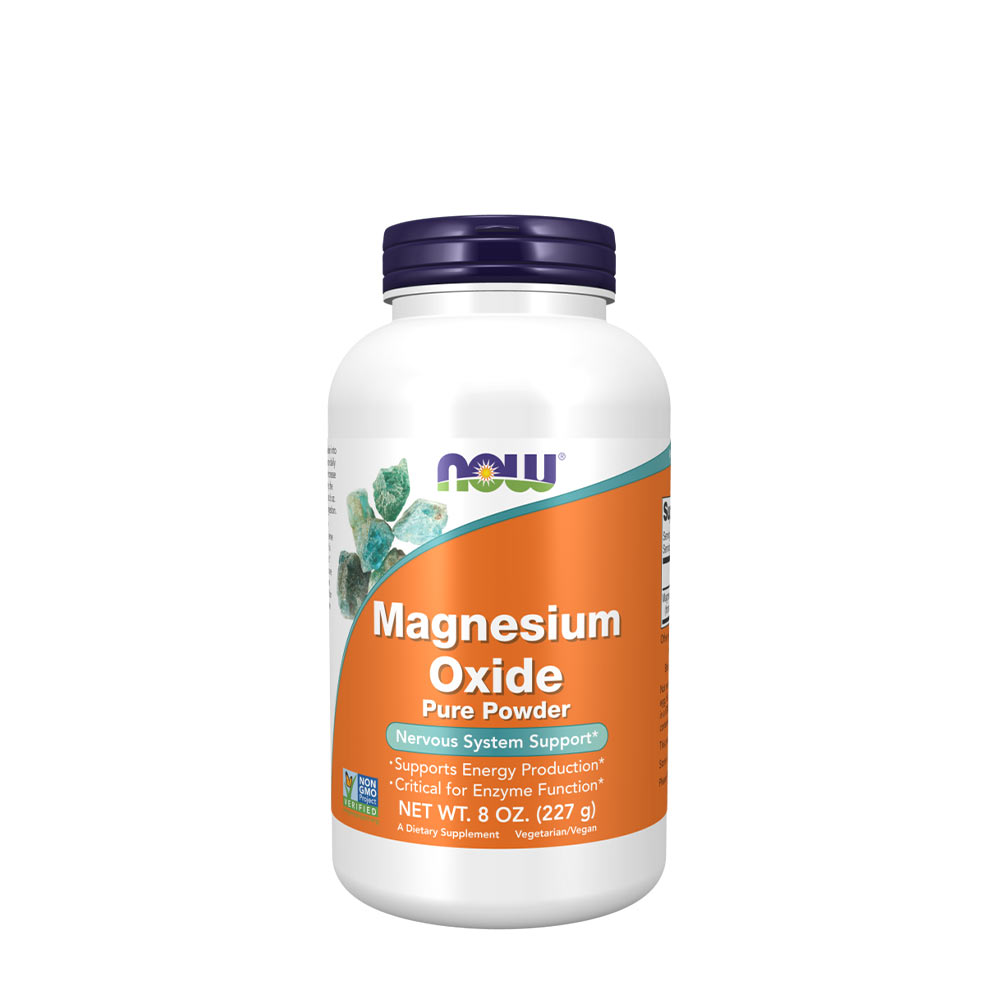
Magnesium Oxide: Uses, Formula, Dosage, and How to Choose the Right Magnesium Supplement
Short answer
Magnesium oxide is a widely used form of magnesium supplement, recognized for its high elemental magnesium content by weight. Choosing the right magnesium supplement involves considering absorption, individual tolerance, and product composition.
Quick facts
- Magnesium oxide has the chemical formula MgO.
- It is one of several forms of magnesium used in dietary supplements.
- Magnesium contributes to the maintenance of normal bones, normal muscle function, normal energy-yielding metabolism, reduction of tiredness and fatigue, and the normal functioning of the nervous system (when the product is at least a source of magnesium).
- Tigoo offers 772 magnesium products, with magnesium oxide present in 30 and magnesium citrate in 38 products.

How it works
Magnesium is an essential mineral that plays a central role in over 300 enzymatic reactions in the human body. It is crucial for processes such as energy production, DNA synthesis, and the regulation of muscle and nerve function. Magnesium oxide (MgO) is an inorganic compound formed by the reaction of magnesium and oxygen. In the context of dietary supplements, magnesium oxide is valued for its high elemental magnesium content by weight, which means that a relatively small amount of the compound contains a significant amount of magnesium. However, its bioavailability—meaning the proportion of magnesium that is absorbed and utilized by the body—is lower compared to some other forms of magnesium.
When magnesium oxide is ingested, it reacts with stomach acid to form magnesium chloride, which is then absorbed in the small intestine. The efficiency of this process is influenced by several factors, including the individual's digestive health, the presence of other nutrients, and the form in which magnesium is consumed. Because magnesium oxide is less soluble in water, it tends to have a slower and less complete absorption profile. This characteristic can be both an advantage and a disadvantage: while it delivers a high dose of elemental magnesium, less is absorbed, and more remains in the digestive tract, which can lead to gastrointestinal effects in some individuals.
Magnesium oxide provides a high amount of elemental magnesium per dose, but its absorption rate is lower than some other forms.
Despite its lower bioavailability, magnesium oxide remains popular due to its cost-effectiveness and the ability to deliver a large amount of magnesium in a small tablet or capsule. It is also widely used in antacid preparations and as a laxative, reflecting its effects on the digestive system.
What the research and authorised claims say

Within the European Union, only specific health claims for magnesium are authorised for use in marketing and product labeling. These claims are based on scientific evidence reviewed by regulatory authorities. For products that are at least a source of magnesium, the following claims may be used:
- Magnesium contributes to the maintenance of normal bones.
- Magnesium contributes to normal energy-yielding metabolism.
- Magnesium contributes to a reduction of tiredness and fatigue.
- Magnesium contributes to normal muscle function.
- Magnesium contributes to the normal functioning of the nervous system.
These claims reflect magnesium's role as a cofactor in numerous enzymatic reactions, its involvement in the synthesis of ATP (the body's main energy molecule), and its importance for neuromuscular transmission and bone structure. For example, magnesium is required for the activation of vitamin D in the body, which in turn is essential for calcium absorption and bone health. In terms of energy metabolism, magnesium is necessary for the function of enzymes that generate energy from carbohydrates and fats. Regarding muscle function, magnesium helps regulate muscle contraction and relaxation, and its presence is vital for the transmission of electrical signals in nerves and muscles.
The authorised claims apply only when the product provides at least a source of magnesium, as defined by EU regulations.
Key limitations
One of the main limitations of magnesium oxide as a supplement is its relatively low bioavailability. Studies have shown that only a small fraction of the magnesium from magnesium oxide is absorbed in the digestive tract, with estimates ranging from 4% to 20% depending on the study design and individual factors. This is significantly lower than the absorption rates for organic forms such as magnesium citrate or magnesium glycinate.
The low solubility of magnesium oxide in water means that much of it passes through the digestive system unabsorbed. This can result in a laxative effect, particularly at higher doses, as unabsorbed magnesium draws water into the intestines. For some people, this can lead to loose stools, abdominal cramping, or diarrhea. While this effect can be useful when magnesium oxide is used as a laxative or antacid, it may be undesirable for those seeking to increase magnesium intake for nutritional purposes.
Another limitation is that the absorption of magnesium from supplements can be influenced by other dietary factors. High intakes of calcium, phosphorus, or phytates (found in some plant foods) can reduce magnesium absorption. Conversely, vitamin D status and certain amino acids can enhance absorption. Therefore, the overall effectiveness of magnesium oxide supplements depends not only on the form but also on the individual's diet and health status.
Choosing a magnesium supplement involves balancing elemental content with absorption and individual tolerance.
Finally, individuals with certain health conditions, such as impaired kidney function, may be at increased risk of magnesium accumulation and should use magnesium supplements only under medical supervision.
How to choose

When selecting a magnesium supplement, it is important to consider several factors to ensure that the product meets your needs and is safe for use:
- Form of magnesium: Magnesium oxide, citrate, chloride, glycinate, and other forms differ in elemental magnesium content and absorption. For example, magnesium citrate and magnesium glycinate are more readily absorbed, while magnesium oxide offers more elemental magnesium per tablet but lower absorption.
- Purpose: If the goal is to increase magnesium intake to support normal bones, muscle function, or energy-yielding metabolism, any form that provides at least a source of magnesium is suitable for these authorised claims. However, if you have a sensitive digestive system or are prone to gastrointestinal discomfort, a more bioavailable form may be preferable.
- Digestive tolerance: Some forms may cause gastrointestinal side effects in sensitive individuals. Magnesium oxide may cause loose stools at higher doses, while forms like magnesium glycinate are generally better tolerated.
- Product composition: Check the label for the amount of elemental magnesium per serving and any additional ingredients. Some products combine magnesium with other nutrients, such as vitamin B6 or zinc, which may have synergistic effects but also influence absorption and tolerance.
- Dietary preferences: Consider whether the supplement is vegan, allergen-free, or contains other ingredients relevant to your needs. Some magnesium supplements use animal-derived capsules or contain additives that may not be suitable for all diets.
- Tablet size and dosing frequency: Because magnesium oxide is dense in elemental magnesium, tablets can be smaller or require fewer doses per day. However, if absorption is a concern, a larger or more frequent dose of a more bioavailable form may be needed to achieve the same effect.
- Cost and availability: Magnesium oxide is often less expensive than other forms, making it a popular choice for those seeking a cost-effective supplement. However, the lower absorption may offset the apparent savings if higher doses are required.
It is also advisable to consult with a healthcare professional before starting any new supplement, especially if you have underlying health conditions, are pregnant or breastfeeding, or are taking medication that may interact with magnesium.
Comparison of common magnesium supplement forms
| Form | Elemental Mg (%) | Relative Absorption | Common Uses |
|---|---|---|---|
| Magnesium oxide | ~60% | Low | Tablets, powders, antacids, laxatives |
| Magnesium citrate | ~16% | High | Tablets, powders, liquid supplements |
| Magnesium chloride | ~12% | High | Liquids, topical sprays, bath flakes |
| Magnesium carbonate | ~42% | Moderate | Tablets, antacids, effervescent powders |
| Magnesium glycinate | ~14% | High | Capsules, powders (noted for gentle effect on digestion) |
Table: Comparison of common magnesium supplement forms by elemental content and absorption.
Choosing the right form depends on your goals, digestive tolerance, and personal preferences. For example, those seeking to maximize absorption may prefer magnesium citrate or glycinate, while those prioritizing cost or tablet size may opt for magnesium oxide.
Magnesium in Tigoo's range
Of the 772 magnesium products available in Tigoo's range, magnesium citrate is the most common form (38 products), followed by magnesium oxide (30 products). The median dose across all products is 120 mg of magnesium per serving. Some products also contain magnesium derived from magnesium citrate (19) or magnesium oxide (12), reflecting blends or natural sources.
The diversity of product formulations in the market reflects consumer demand for different forms, dosages, and combinations with other nutrients. Some products are designed for general wellness, while others target specific needs such as muscle function or energy support. The presence of blends and multi-ingredient supplements highlights the trend toward comprehensive formulas that address multiple aspects of health.
Safety, interactions and risk groups
Magnesium supplements are generally well tolerated when used as directed. However, excessive intake may cause gastrointestinal symptoms such as diarrhea or abdominal discomfort, particularly with magnesium oxide due to its osmotic effect in the intestines. The tolerable upper intake level (UL) for supplemental magnesium for adults is set at 250 mg per day in the EU, based on the risk of diarrhea as the primary adverse effect. This limit applies to magnesium from supplements and fortified foods, not from naturally occurring magnesium in food.
Certain groups should exercise caution with magnesium supplements:
- Individuals with kidney disorders: Impaired kidney function can reduce the body's ability to excrete excess magnesium, increasing the risk of accumulation and toxicity. Symptoms of excessive magnesium intake can include low blood pressure, confusion, slowed heart rate, and in severe cases, cardiac arrest.
- People taking medications: Some medications, such as diuretics, proton pump inhibitors, certain antibiotics (e. g. , tetracyclines and quinolones), and medications for osteoporosis, can interact with magnesium supplements. These interactions may affect the absorption or elimination of magnesium or the effectiveness of the medication.
- Pregnant and breastfeeding women: While magnesium is important during pregnancy and lactation, supplementation should be discussed with a healthcare professional to ensure appropriate dosing and to avoid excessive intake.
- Children: Magnesium requirements vary by age, and supplements should only be used under medical supervision in children.
To minimize the risk of side effects, always follow the recommended dosage on the product label. If you experience persistent gastrointestinal symptoms or other adverse effects, discontinue use and consult a healthcare provider. Magnesium supplements should not be used as a substitute for a varied and balanced diet.
It is also important to note that magnesium can interfere with the absorption of other minerals, such as iron and zinc, if taken in large amounts at the same time. To optimize absorption and minimize potential interactions, some experts recommend taking magnesium supplements at a different time of day from other mineral supplements.
Safety and precautions
Magnesium supplements, including magnesium oxide, should be used according to the recommended dosage on the product label. Excessive intake may cause gastrointestinal symptoms such as diarrhea. Individuals with kidney problems, those taking medication, pregnant or breastfeeding women, and children should consult a healthcare professional before using magnesium supplements. Do not exceed the recommended daily amount unless advised by a healthcare provider.
Supplements with the ingredients in this article
Compare contents, dose and price
Frequently asked questions
magnesium oxide formula
The chemical formula for magnesium oxide is MgO. It consists of one magnesium atom and one oxygen atom.
best form of magnesium
There is no single 'best' form of magnesium; the choice depends on individual needs. Magnesium citrate is often noted for higher absorption, while magnesium oxide provides more elemental magnesium per tablet but is less readily absorbed.
magnesium oxide meaning
Magnesium oxide is a compound made from magnesium and oxygen. It is commonly used as a dietary supplement and in various industrial applications.
formation of magnesium oxide
Magnesium oxide is formed when magnesium metal reacts with oxygen, typically by burning magnesium in air.
magnesium oxide water
Magnesium oxide is only slightly soluble in water and reacts slowly to form magnesium hydroxide.
magnesium oxide formula balanced
The balanced chemical equation for the formation of magnesium oxide is: 2 Mg + O₂ → 2 MgO.
magnesium sulphide formula
The chemical formula for magnesium sulphide is MgS.
magnesium oxide light
Light magnesium oxide refers to a finely powdered, low-density form of magnesium oxide, often used in pharmaceuticals and food processing.
magnesium oxide versus magnesium chloride
Magnesium oxide contains more elemental magnesium per weight but is less readily absorbed than magnesium chloride, which is more soluble and bioavailable.
magnesium meaning
Magnesium is a chemical element (symbol Mg) essential for many biological processes in the human body.
magnesium carbonate molar mass
The molar mass of magnesium carbonate (MgCO₃) is approximately 84. 3 g/mol.
magnesium oxide powder
Magnesium oxide powder is a fine, white powder used as a supplement, antacid, and in various industrial applications.
magnesium oxide gas
Magnesium oxide is not a gas; it is a solid at room temperature.
magnesium oxide brain
There are no authorised health claims regarding magnesium oxide and brain function.
Sources
- EFSA: magnesium health claims and absorption rates
- Tigoo's internal product data: number of products, forms, median dose
- Meta-analyses: magnesium supplement bioavailability
Read more
Products related to this article

Child Life
Child Life - Liquid Calcium with Magnesium - 16 fl. oz.
243 krIn stockWhy is this shown? Innehåller alla ämnen artikeln handlar om · Renodlat tillskott — ämnet står i produktnamnet · I lager · Betyg 5.0 av 8 kunder

Life Extension
Life Extension - Neuro-Mag Magnesium L-Threonate - 90 Vcaps
548 krIn stockWhy is this shown? Innehåller alla ämnen artikeln handlar om · Renodlat tillskott — ämnet står i produktnamnet · I lager · Betyg 5.0 av 8 kunder

NOW Foods
NOW Foods - Calcium & Magnesium, Citrate Powder With Vitamin D3 - 227g
197 krIn stockWhy is this shown? Innehåller alla ämnen artikeln handlar om · Renodlat tillskott — ämnet står i produktnamnet · I lager · Betyg 5.0 av 8 kunder

Natural Vitality
Natural Vitality - Calm Magnesium Powder (Cherry - 226g)
179 krIn stockWhy is this shown? Innehåller alla ämnen artikeln handlar om · Renodlat tillskott — ämnet står i produktnamnet · I lager · Betyg 5.0 av 8 kunder

NOW Foods
Now Foods - Magnesium Bisglycinate Powder - 227g
234 krIn stockWhy is this shown? Innehåller alla ämnen artikeln handlar om · Renodlat tillskott — ämnet står i produktnamnet · I lager · Betyg 5.0 av 7 kunder