Magnesium Glycinate: What Is It, Benefits, Dosage, and How to Choose?
Short answer
When comparing products, the key number is elemental magnesium per serving, not the full compound weight. The best choice usually comes down to the label, the amount you need, and whether you want a form chosen for bowel effect or routine supplementation.
Quick facts
- Magnesium glycinate is magnesium bound to glycine.
- It may also be labelled as magnesium bisglycinate or magnesium diglycinate.
- Elemental magnesium per serving is the number to compare on the label.
- Magnesium citrate is more soluble and can have a laxative effect at high doses.
- Food can provide a large share of daily magnesium, especially nuts, seeds, legumes, whole grains, and spinach.
- Adult supplement intake should not exceed 350 mg per day unless a healthcare provider recommends it.

What is magnesium glycinate?
A chelated magnesium-glycine ingredient
Magnesium glycinate is magnesium bound to glycine in a chelated compound. The FDA’s Substance Registration System lists it with the chemical name bis(glycinato-N,O)magnesium, and it also gives the synonyms magnesium bisglycinate and magnesium diglycinate. FDA substance entry for magnesium glycinate
That is why label wording can vary: “glycinate” and “bisglycinate” are different names used for the same chelated ingredient in everyday supplement labelling. The FDA entry also shows the formula as Mg(C2H4NO2)2 in anhydrous form, or a hydrate. FDA substance entry for magnesium glycinate
What the number on the label means
The most important figure on a supplement label is the amount of elemental magnesium, not the total weight of the whole compound. The NIH Office of Dietary Supplements says supplement labels must declare elemental magnesium, rather than the molecular weight of the chelate itself. NIH Office of Dietary Supplements: magnesium fact sheet for health professionals
That is the common mistake to avoid: two products can both say “magnesium glycinate” while delivering different amounts of elemental magnesium per serving. If you are comparing products, read the Supplement Facts panel first, then check the ingredient form listed in brackets. NIH Office of Dietary Supplements: magnesium fact sheet for health professionals
| Label term | What it means | What to check |
|---|---|---|
| Magnesium glycinate | Magnesium chelated with glycine | Elemental magnesium per serving |
| Magnesium bisglycinate | FDA synonym for magnesium glycinate | Elemental magnesium per serving |
| Magnesium diglycinate | Another FDA synonym for the same ingredient | Elemental magnesium per serving |
Why shoppers compare it with other magnesium salts
The NIH notes that more soluble magnesium forms, including magnesium citrate, can have higher bioavailability than oxide or sulfate. It also notes that high doses of magnesium citrate can have a laxative effect. NIH Office of Dietary Supplements: magnesium fact sheet for health professionals NIH ODS supplement fact sheet noting magnesium citrate’s laxative effect
For shoppers, the safe comparison is simple: compare elemental magnesium first, then compare the form name.
Magnesium glycinate is a chelated magnesium-glycine ingredient, the name may appear as glycinate or bisglycinate, and the label’s elemental magnesium figure is the one to use when comparing products. FDA substance entry for magnesium glycinate NIH Office of Dietary Supplements: magnesium fact sheet for health professionals
Products with glycinat
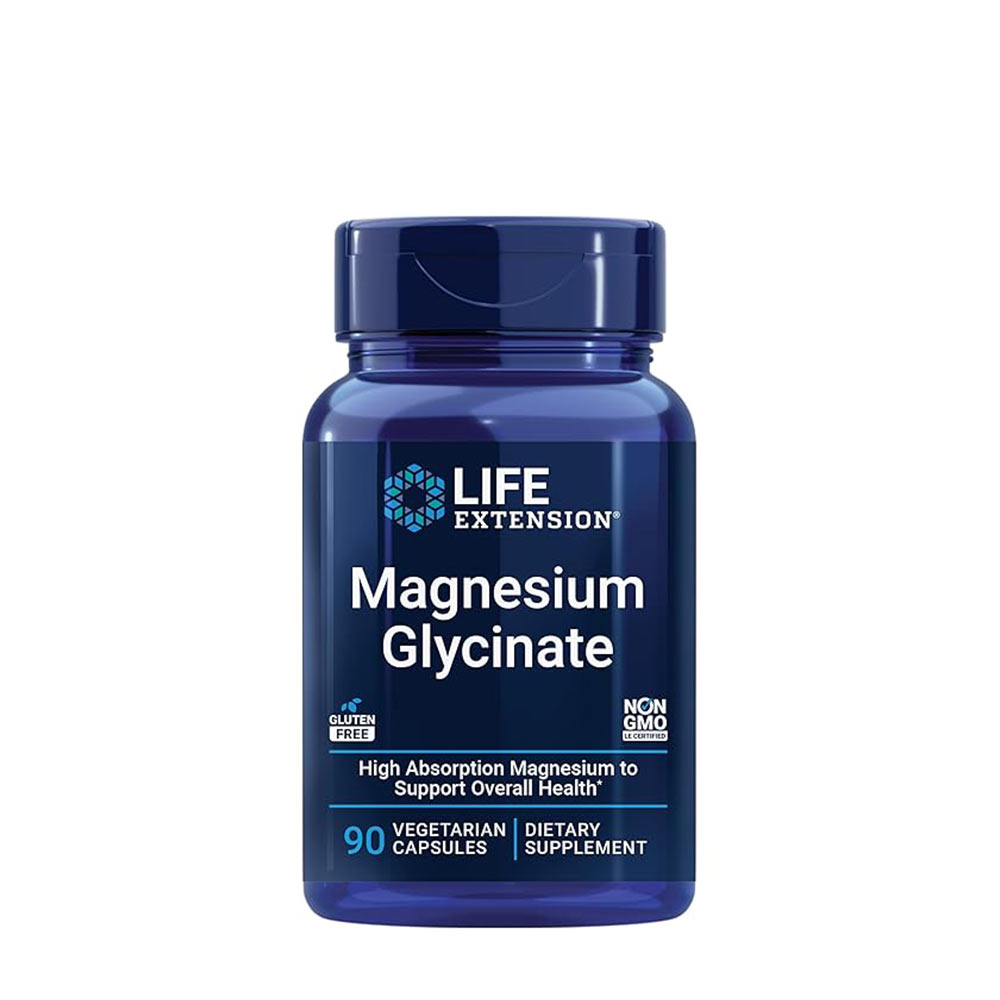
What benefits does magnesium glycinate actually have?
The most practical benefit of magnesium glycinate is straightforward: it helps increase magnesium intake when your diet is low.

What magnesium itself is authorised to do
EFSA says health claims are only approved after rigorous scientific assessment, so the safest way to describe magnesium is to use the exact authorised wording: EFSA health claims.
| Authorised wording | Condition |
|---|
These are magnesium claims, not glycinate-only claims. In the permitted sources, no human clinical trials or systematic reviews unique to magnesium glycinate were retrieved, so it is not possible to say that glycinate has a separate effect beyond delivering magnesium: systematic review on magnesium supplement bioavailability.
Why the form matters, but mostly for absorption
A recent systematic review found that organic magnesium forms, including chelated forms, had higher bioavailability than inorganic ones. That points to a delivery advantage, not a new biological benefit that belongs only to glycinate: systematic review on magnesium supplement bioavailability.
The clearest benefit of magnesium glycinate is helping correct low magnesium intake so normal body functions can work properly.
So, if intake is low, the first changes most likely to matter are the low-intake symptoms already linked to magnesium: fatigue and muscle cramps, with appetite loss and nausea also listed by the ODS. Claims about sleep, stress, exercise, or mood were not supported by the permitted sources as glycinate-specific benefits: ODS magnesium fact sheet.
Magnesium citrate vs glycinate: which should you choose?
Absorption: citrate has the clearer human data
NIH ODS says more soluble forms such as magnesium citrate have higher bioavailability than oxide or sulfate. In a randomised, double-blind study of 46 adults taking 300 mg elemental magnesium a day for 60 days, citrate produced the highest serum and saliva concentrations among the forms tested. A systematic review also found that organic magnesium forms, including chelated forms, generally show higher bioavailability than inorganic ones.
For glycinate, the retrieved evidence is narrower: a recent in vitro gastrointestinal simulation found that two magnesium bisglycinate products released different amounts of dialysable magnesium, which is a reminder that formulation can matter as much as the chelate name on the label.
When citrate is the practical fit
Magnesium citrate is the clearer choice when a laxative-style effect is part of the goal. The ODS supplement fact sheet notes that high doses of magnesium citrate can have that effect, so citrate is the form to look at when bowel action is the reason you are comparing products. ODS supplement fact sheet
When glycinate is the practical fit
Glycinate is the more sensible pick when you want magnesium without choosing a form for its bowel effect. The evidence here does not show glycinate clearly outperforming citrate in a head-to-head human trial; instead, it shows that bisglycinate products can differ in how much magnesium they release, so product quality matters. If stomach upset is your main concern, remember that magnesium supplements can cause diarrhea, nausea and stomach cramps. NCCIH safety overview
| Form | Best match | What the evidence here shows | Label check |
|---|---|---|---|
| Magnesium citrate | When a laxative-style effect is part of the goal | ODS says more soluble forms such as citrate have higher bioavailability than oxide or sulfate, and one 46-person trial found the highest serum and saliva levels with citrate | Compare elemental magnesium, not just capsule or powder weight |
| Magnesium glycinate | When you want magnesium without choosing a form for its bowel effect | Evidence retrieved here is mostly broader chelate data plus one in vitro bisglycinate simulation showing formulation differences | Check whether the product says glycinate or bisglycinate, and compare the elemental amount |
Neither form is automatically best: citrate fits constipation-oriented use, glycinate fits routine supplementation when a bowel effect is not the point, and either choice should be weighed against stomach comfort and the elemental magnesium amount on the label.
Products with citrat
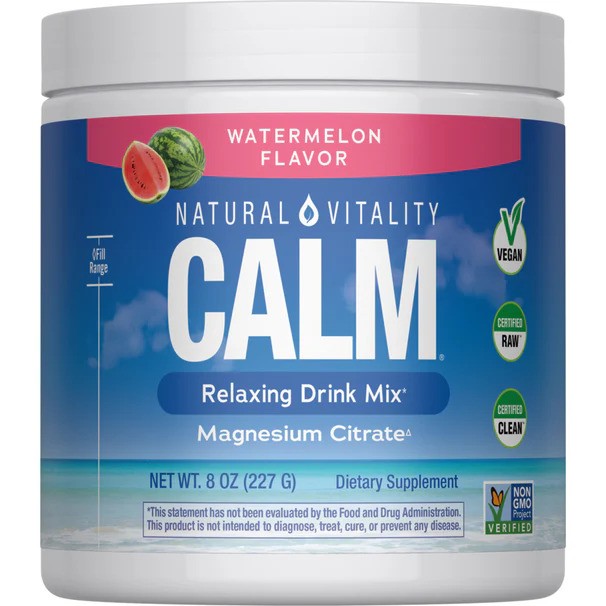

How much magnesium do you need, and which foods provide it?
The NIH Office of Dietary Supplements lists adult reference intakes by age and sex: 400 mg/day for men 19–30, 310 mg/day for women 19–30, 420 mg/day for men 31+, and 320 mg/day for women 31+ (ODS health professional fact sheet). ODS also sets a supplemental magnesium upper limit of 350 mg/day for adults, while EFSA’s summary tables give 250 mg/day for readily dissociable magnesium salts used in supplements, added to foods, or water; EFSA applies that limit to adolescents and adults and excludes magnesium naturally present in food and drink (ODS consumer fact sheet; EFSA summary tables).

| Item | Amount | Source |
|---|---|---|
| Men 19–30 | 400 mg/day | ODS |
| Women 19–30 | 310 mg/day | ODS |
| Men 31+ | 420 mg/day | ODS |
| Women 31+ | 320 mg/day | ODS |
| Adults: magnesium from supplements | 350 mg/day | ODS |
| Adolescents and adults: readily dissociable magnesium salts | 250 mg/day | EFSA |
| Pumpkin seeds, 1 cup | 649 mg | USDA magnesium data |
| Legumes, seeds, nuts, whole grains, spinach | Magnesium-rich food categories | NCCIH |
Food can cover a lot before a capsule does
NCCIH says magnesium is found in high amounts in legumes, seeds, nuts, whole grains, and spinach (NCCIH). The USDA sheet gives one concrete example: 1 cup of pumpkin seeds supplies 649 mg, which is more than the adult intakes listed above (USDA). That is a useful reality check: a single magnesium-rich serving can already do most of the day’s work.
How to read 400 mg or 600 mg on a supplement label
Check the magnesium number, not just the product name: food magnesium and supplemental magnesium are counted differently, and a single food serving can already cover a large share of adult intake.
A better habit is simple: total the magnesium you already get from food, then compare that with the daily amount on the Supplement Facts panel before adding another product.
Do women benefit differently, and is night dosing better?
Women’s intake targets vary by life stage
That is an intake target, not proof that a magnesium supplement works differently in women. USDA magnesium fact sheet
PMS, cramps, migraine, mood, and bone health
| Search goal | What the retrieved sources support | What to avoid claiming |
|---|---|---|
| PMS symptoms, menstrual cramps, mood | No usable primary-source evidence was retrieved here for these specific outcomes. | Do not present them as established benefits from this material. |
| Migraine | NCCIH says research on magnesium is limited; a 2018 systematic review found Grade C (possibly effective) evidence for prevention of migraine, and a 2021 review said more rigorous studies are still needed. NCCIH headaches digest | Do not frame magnesium as a guaranteed headache treatment. |
Night dosing is a routine choice, not a proven effect
The retrieved sources here do not show that taking magnesium at night changes its effect. Evening use should therefore be treated as a convenience habit, not as a proven sleep strategy. If a person is more likely to remember a supplement at night, that is a practical reason to choose night; it is not evidence of a special nighttime benefit.
For pregnancy and breastfeeding, the allowed sources here do not provide outcome data strong enough to make a special benefit claim. The evidence-based answer is modest: intake needs can differ by life stage, but supplement decisions should still be based on the label, the person’s situation, and professional advice when needed. USDA magnesium fact sheet
How do you choose a magnesium glycinate product in Ireland?
Check the ingredient name first
On a product page, start with the exact form name. The FDA Substance Registration System lists magnesium glycinate with synonyms including magnesium bisglycinate and magnesium diglycinate, so Irish search results may use more than one label wording for the same chelated ingredient. That makes the ingredient line more useful than the front-panel headline when you are comparing magnesium glycinate in Ireland or magnesium glycinate Dublin listings.

The next field to check is the declared amount of elemental magnesium. NIH ODS says supplement labels must declare elemental magnesium, not the whole molecular weight of the chelate, so the number on the label is the number to compare across products. NIH ODS consumer guidance
Compare serving size, count, and extras
For magnesium tablets Ireland shoppers, the practical comparison is simple: form name, elemental magnesium per serving, tablet or capsule count, and any other ingredients. Brand-led searches such as Solgar should be checked with the same four fields, because two listings can both say magnesium glycinate while still differing in serving size and pack count.
| Product-page field | What to compare |
|---|---|
| Form name | Magnesium glycinate, magnesium bisglycinate, or another magnesium form. |
| Elemental magnesium per serving | The declared magnesium amount on the label, not the full chelate weight. |
| Tablet or capsule count | How many units are in the pack at the stated serving size. |
| Other ingredients | Added minerals, capsules, fillers, or flavourings that change the formula. |
A listing that says 400 mg or 600 mg is only telling you the declared amount on that serving; by itself it does not tell you whether the product is a better fit than another listing. If you are comparing web-shop and pharmacy pages, look for the same label fields rather than the largest number on the front.
Keep EU claims in their approved wording
EFSA explains that health claims on labels are only approved after scientific assessment and are meant to be clear and evidence-based. EFSA health claims
Use Tigoo’s range as a comparison filter
In Tigoo’s 2026-09-18 snapshot, the magnesium range contains 998 products. Within that range, the snapshot shows 39 magnesium citrate products, 28 magnesium oxide products, 23 products listed as “from magnesium citrate”, 11 listed as “as magnesium citrate”, and 3 glycin products. Those counts show what appears in the range, but they do not prove superiority or suitability.
| Catalog snapshot | Count | Declared amounts in snapshot |
|---|---|---|
| Magnesium | 998 | Not provided |
| Magnesium citrate | 39 | Not provided |
| Magnesium oxide | 28 | Not provided |
| From magnesium citrate | 23 | Not provided |
| As magnesium citrate | 11 | Not provided |
| Glycin | 3 | Not provided |
Is magnesium glycinate safe with medicines and in risk groups?
NCCIH says magnesium from supplements and medicines should not go above 350 mg per day for adults unless a health care provider recommends it. The same source says large doses can cause diarrhea and abdominal cramping, and very large doses — more than 5,000 mg per day — can be deadly. Because that limit applies to magnesium from supplements and medicines together, the practical mistake to avoid is counting only the stand-alone glycinate product and ignoring any other magnesium-containing product already in use.
Medicines that need a review
NCCIH also says magnesium can interact with some antibiotics, diuretics, and drugs used to treat osteoporosis. That is enough reason to treat magnesium glycinate as a medicine-review item, not just a label choice. If you take more than one prescription or non-prescription product, bring the full list to a pharmacist or clinician before adding magnesium, so the total amount and the combination can be checked together.
| Situation | What the source says | Practical step |
|---|---|---|
| Adults using supplements or medicines | Do not exceed 350 mg per day unless a health care provider recommends it | Add up every magnesium-containing product |
| High intakes | Large doses can cause diarrhea and abdominal cramping | Stop stacking products if stomach effects appear |
| Very high intakes | More than 5,000 mg per day can be deadly | Seek urgent medical help if too much was taken |
| Prescription medicine users | Magnesium can interact with some antibiotics, diuretics, and osteoporosis medicines | Ask for a medicine review before starting |
Who should get advice first?
People with kidney disease, or anyone at risk for kidney disease, should have supplement use closely monitored. NCCIH also says people with diabetes should not replace medical treatment with an unproven product or practice, and that people should talk with health care providers about complementary health approaches they use.
If you have ongoing symptoms and think low magnesium may be part of the picture, bring that question to a clinician rather than self-starting a long course.
Safety and precautions
Adults should not exceed 350 mg of magnesium per day from supplements and medicines unless a healthcare provider recommends it. Large doses can cause diarrhea and abdominal cramping, and very high intakes can be dangerous. If you use antibiotics, diuretics, or osteoporosis medicines, or if you have kidney disease, get professional advice before starting.
Speak with a healthcare professional before using magnesium during pregnancy, breastfeeding, or for children, and ask for advice if you are taking other medicines or have ongoing symptoms.
Supplements with the ingredients in this article
Compare contents, dose and price
Frequently asked questions
Can I take magnesium glycinate every day long term?
If you have kidney disease or take other medicines, get advice before using it long term.
Does magnesium glycinate help with migraines?
The body does not present magnesium glycinate as a guaranteed migraine solution. It notes that research on magnesium is limited, with only possibly effective evidence for migraine prevention and a need for more rigorous studies.
Is magnesium BHB the same as magnesium glycinate?
The body does not identify magnesium BHB as the same compound, so they should be treated as different label names unless the product label says otherwise.
Should I take magnesium glycinate with food or on an empty stomach?
The body does not say that it must be taken one way or the other. Choose the timing that best fits your routine and stomach comfort, and keep the elemental magnesium amount in mind when you compare products.
Sources
- MAGNESIUM GLYCINATE (external link)
- Magnesium - Consumer (external link)
- Health claims | EFSA (external link)
- Magnesium - Health Professional Fact Sheet (external link)
- Bioavailability of magnesium food supplements: A systematic review - PubMed (external link)
- Mg citrate found more bioavailable than other Mg preparations in a randomised, double-blind study. (external link)
- Comparison of the Bioaccessibility of Two Formulations of Magnesium Bisglycinate Using an In Vitro Simulation of the Upper Gastrointestinal Tract. (external link)
- USDA National Nutrient Database-Magnesium (external link)
- Diabetes and Dietary Supplements: What You Need To Know | NCCIH (external link)
- Version 10 (June 2024) (external link)
- Headaches and Complementary Health Approaches: What the Science Says | NCCIH (external link)
Read more
- Magnesium Sachets: What to Know Before You Buy
- Magnesium vs Manganese: What’s the Difference and How to Choose?
- Viridian Magnesium: Forms, Label Amounts and Comparisons
- What Is Magnesium? Forms, Uses, and Nutrition
- What does magnesium do in the body?
- Can You Take Magnesium With Water? Forms, Absorption & Safety
Products related to this article
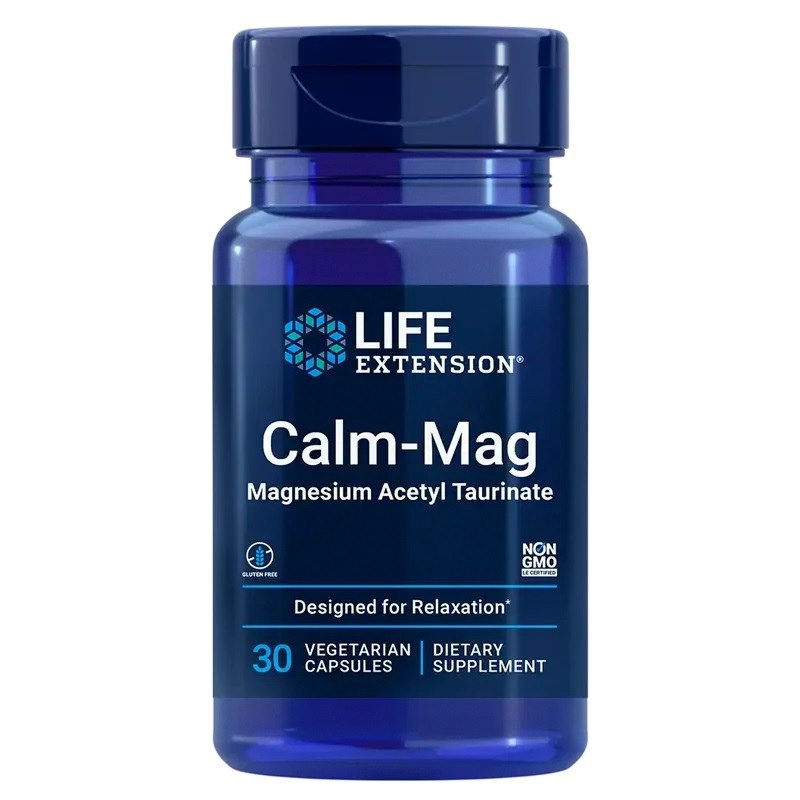
Life Extension
Life Extension - Calm-Mag - 30 Vcaps
286 krIn stockWhy is this shown?
Historiskt katalogurval. Innehåll, mängd och form behöver kontrolleras mot aktuellt underlag.
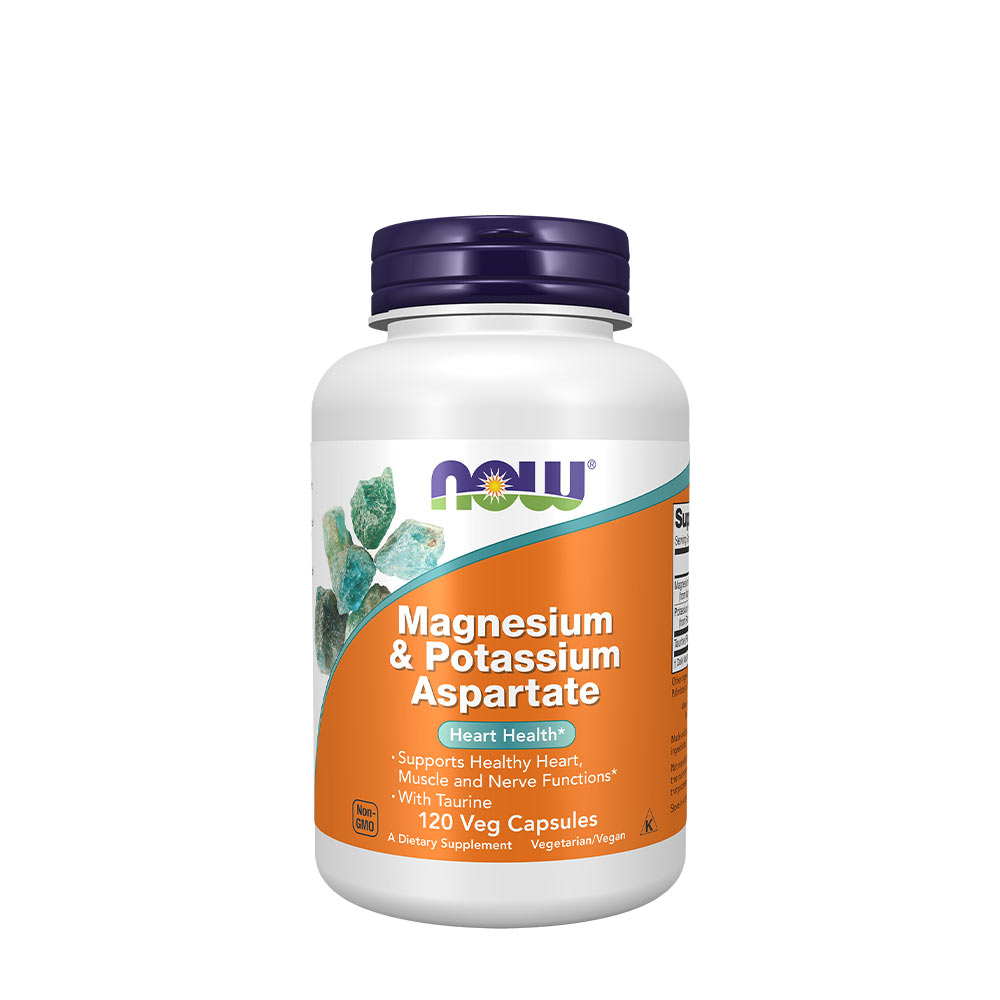
NOW Foods
NOW Foods - Magnesium & Potassium Aspartate - 120 Vcaps
210 krIn stockWhy is this shown?
Historiskt katalogurval. Innehåll, mängd och form behöver kontrolleras mot aktuellt underlag.
NOW Foods
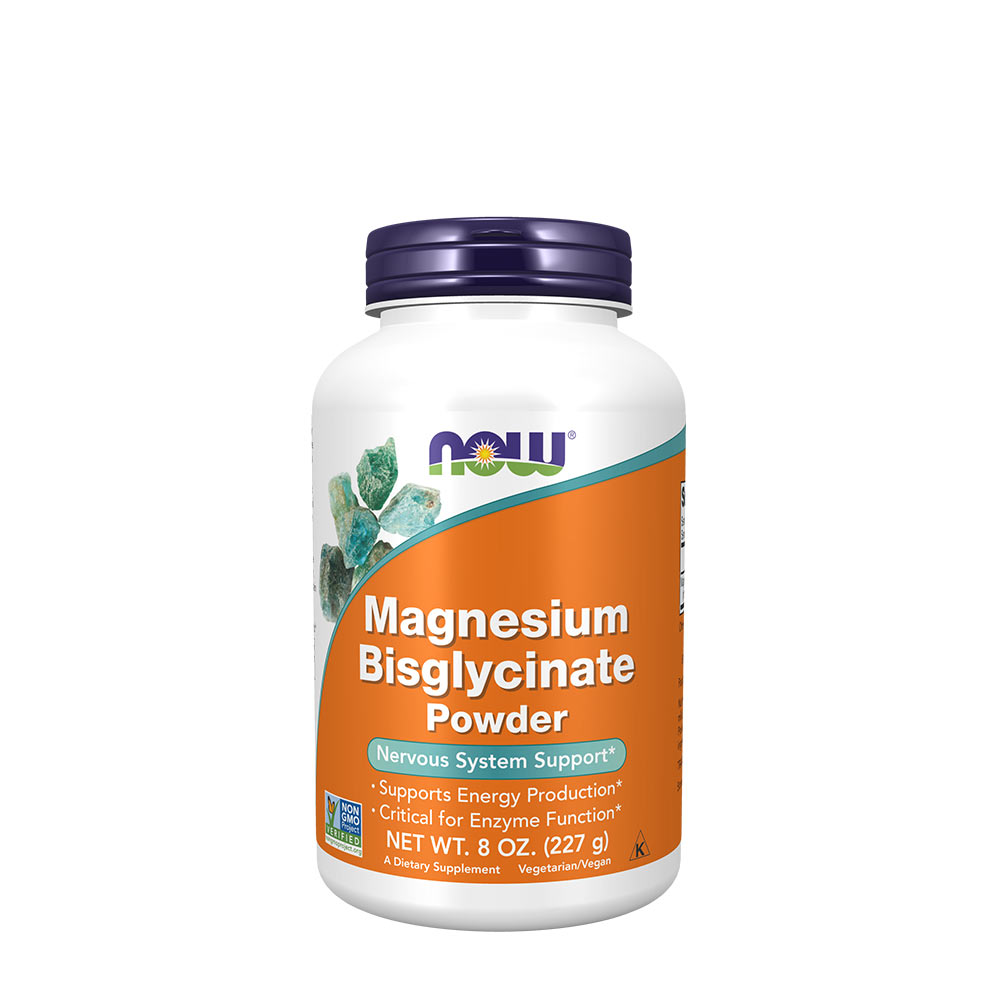
Now Foods - Magnesium Bisglycinate Powder - 227g
235 krIn stockWhy is this shown?
Historiskt katalogurval. Innehåll, mängd och form behöver kontrolleras mot aktuellt underlag.
NOW Foods
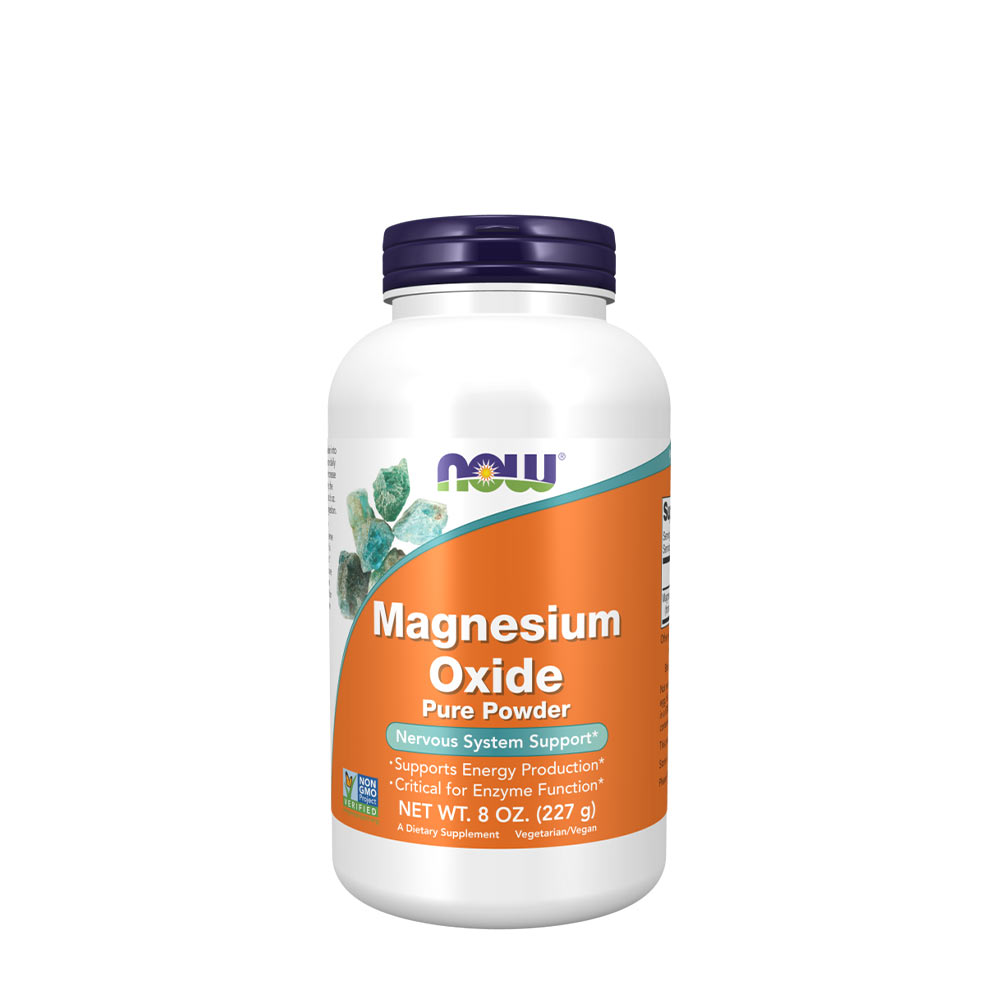
Now Foods - Magnesium Oxide - 227g
141 krIn stockWhy is this shown?
Historiskt katalogurval. Innehåll, mängd och form behöver kontrolleras mot aktuellt underlag.


