Magnesium Types: How to Choose, Differences & Uses Explained
Short answer
The best magnesium type depends on the elemental magnesium amount, how the form is labeled and how well you tolerate it. More soluble forms such as citrate, chloride, aspartate and lactate are generally more bioavailable than oxide, but no form is proven to be the universal winner.
Quick facts
- The form name tells you the magnesium compound, not the mineral amount.
- Supplement labels declare elemental magnesium, which is the amount that counts.
- More soluble forms are generally more bioavailable than oxide.
- Some readily dissociable salts can cause diarrhoea at high intakes.
- Low magnesium can show up as fatigue, weakness, cramps or tingling.

What do magnesium types mean?
When shoppers talk about magnesium types, they usually mean the compound attached to magnesium, not a different mineral. On supplement labels, the amount that matters is elemental magnesium — the actual magnesium content — while EFSA also expresses magnesium reference values in mg of magnesium per day (FDA, NIH ODS, EFSA).
Why the salt name matters
The attached compound changes the form’s weight and how it behaves in use. NIH ODS lists oxide, citrate, chloride, aspartate, lactate, and sulfate among common supplement forms, and notes that more soluble forms such as aspartate, citrate, lactate, and chloride have higher bioavailability than oxide and sulfate in small studies (NIH ODS).
Common label names
| Label name | What the name tells you | Evidence note |
|---|---|---|
| Oxide | A magnesium salt listed on supplement labels | Named by NIH ODS and discussed by FDA |
| Citrate | A magnesium salt listed on supplement labels | Named by NIH ODS and discussed by FDA |
| Chloride | A magnesium salt listed on supplement labels | Named by NIH ODS |
| Aspartate | A magnesium salt listed on supplement labels | Named by NIH ODS |
| Lactate | A magnesium salt listed on supplement labels | Named by NIH ODS |
| Sulfate | A magnesium salt listed on supplement labels | Named by NIH ODS |
| Glycinate | A magnesium form mentioned in supplement discussions | Named by FDA |
| Gluconate | A magnesium form used in supplement studies | Named by FDA and discussed in EFSA |
Takeaway: Compare elemental magnesium first; the salt name tells you which magnesium compound you are looking at.
That is the simplest way to read a bottle: the same magnesium amount can be delivered in different compounds, so the label name helps you compare form, while the elemental figure tells you how much magnesium is in each serving (FDA, NIH ODS).
How does magnesium work in the body?
Magnesium is described by EFSA as a cofactor in more than 300 enzymatic reactions, including the synthesis of carbohydrates, lipids, nucleic acids and proteins, and as necessary for specific actions in the neuromuscular and cardiovascular systems. EFSA on magnesium’s physiological roles That is the plain-language reason magnesium shows up in so many supplement conversations: it is not a single-purpose nutrient, but part of several tightly linked body processes.

What magnesium is doing at a basic level
Those are the core functions readers usually care about when they compare magnesium products, but the body does not use different magnesium salts for different jobs; it first has to absorb the mineral.
Why magnesium forms behave differently
EFSA says magnesium absorption takes place in the distal intestine, mainly in ionised form, and that percentage absorption is generally considered to be 40–50%, with figures from 10 to 70% also reported. EFSA also notes that absorption can be inhibited by phytic acid and phosphate, and that saturable transcellular absorption seems to be significant only at low dietary intakes, while at usual intakes absorption is only loosely regulated. EFSA scientific opinion on dietary reference values for magnesium
| What changes between forms | What the evidence says | Why it matters |
|---|---|---|
| Absorption | The FDA says magnesium products have varying rates of absorption. FDA response on magnesium supplement forms | The same labelled amount does not necessarily behave the same way after swallowing. |
| Solubility | More soluble forms are generally more bioavailable than less soluble forms, according to the NIH Office of Dietary Supplements. NIH ODS magnesium fact sheet | Solubility helps explain why some salts are preferred in practice. |
| Gastrointestinal effects | EFSA notes that readily dissociable salts such as oxide, chloride, citrate and gluconate may have an osmotic effect and can cause diarrhoea at high supplemental intakes, usually reversible in 1–2 days in people with normal kidney function. EFSA upper intake level opinion | Tolerability can matter as much as absorption when choosing a product. |
| Elemental amount | The Supplement Facts label declares elemental magnesium, not the full weight of the compound. FDA response on magnesium supplement forms | Two capsules can look similar but provide different amounts of magnesium. |
What the evidence can and cannot prove
EFSA’s review did not create different reference intakes by salt type, and the available evidence is not strong enough to make one magnesium form a universal winner. In practice, differences between products are usually about dissolution, absorption, gastrointestinal tolerance and the elemental amount in each serving, not about a proven one-size-fits-all advantage. EFSA summary report on dietary reference values
Different magnesium salts can look similar on the front of the box, but the body still responds to the form, the elemental amount and how well it is absorbed.
How much magnesium do you need?
There is no single magnesium number that fits everyone. The NIH Office of Dietary Supplements gives Recommended Dietary Allowances in elemental magnesium, while EFSA uses Adequate Intakes for healthy people in Europe EFSA reference values.
Reference values by age and sex
| Population | United States: NIH ODS | European Union: EFSA |
|---|---|---|
| Adults | Men 19–30 years: 400 mg/day; women 19–30 years: 310 mg/day. Men 31–50 years: 420 mg/day; women 31–50 years: 320 mg/day. NIH ODS | Men: 350 mg/day; women: 300 mg/day. EFSA opinion |
| Children |
|
|
What low magnesium can look like
NIH ODS lists early signs of deficiency as reduced appetite, nausea, vomiting, fatigue and weakness. With progression, it lists numbness, tingling, muscle cramps or contractions, seizures, personality changes, arrhythmias, coronary spasms, and possible hypocalcaemia or hypokalaemia. EFSA also notes that magnesium deficiency can be hard to tie to one specific symptom because magnesium interacts with other minerals NIH ODS EFSA opinion.
Blood magnesium is an imperfect snapshot of status, and ODS notes that better biomarkers are still lacking NIH ODS.
Official magnesium claim wording
Reference values are population targets, not a personal prescription. In practice, age, sex and life stage matter, and your own diet, pregnancy or lactation status, activity level, illness and medication use can change how a magnesium supplement is chosen EFSA reference values NIH ODS.
Which magnesium forms are used for what?
In the sources here, magnesium is classified by the salt or compound name on the label, while the amount that matters nutritionally is elemental magnesium. The FDA says the Supplement Facts panel declares elemental magnesium, not the full compound weight, and it notes that different forms have varying absorption rates FDA petition response. EFSA sets magnesium intake values in elemental mg/day, and its safety review flags some readily dissociable salts as more likely to cause diarrhea through an osmotic effect EFSA magnesium DRVs EFSA upper-intake review.

The practical chart
| Form | Elemental share | What the supplied sources support | Likely GI tolerance | When it is a sensible choice |
|---|---|---|---|---|
| Oxide | Not given in the supplied sources | Named by the FDA as a supplement form FDA | Not ranked in the supplied sources | Use the label if the elemental amount and price suit you; do not assume a special clinical advantage |
| Citrate | Not given in the supplied sources | Named by the FDA as a supplement form FDA | Not ranked in the supplied sources | Reasonable when you want a standard supplement form and will check the elemental amount |
| Glycinate / bisglycinate | Not given in the supplied sources | FDA names glycinate; the supplied sources do not separate a different clinical effect for the bisglycinate label FDA | Not ranked in the supplied sources | Use as a label choice if you prefer that form; the sources do not show a proven sleep or disease-specific advantage |
| Chloride | Not given in the supplied sources | EFSA lists chloride among readily dissociable salts EFSA | May be more likely to cause diarrhea at higher intakes EFSA | Sensible when absorbability and label dose are your main checks; less sensible if you are sensitive to loose stools |
| Lactate | Not given in the supplied sources | EFSA lists lactate among readily dissociable salts EFSA | May be more likely to cause diarrhea at higher intakes EFSA | Sensible if you want a standard supplement form and can tolerate it |
| Sulphate | Not given in the supplied sources | EFSA lists sulphate among readily dissociable salts EFSA | May be more likely to cause diarrhea at higher intakes EFSA | Sensible only if the product’s label and your tolerance fit; not if you are trying to avoid GI looseness |
| Malate | Not given in the supplied sources | Not specifically described in the supplied sources | Not ranked in the supplied sources | Do not infer a special use from the name alone |
| Carbonate | Not given in the supplied sources | Not specifically described in the supplied sources | Not ranked in the supplied sources | Do not infer a special use from the name alone |
| Hydroxide | Not given in the supplied sources | Not specifically described in the supplied sources | Not ranked in the supplied sources | Do not infer a special use from the name alone |
| Taurate | Not given in the supplied sources | Not specifically described in the supplied sources | Not ranked in the supplied sources | Do not infer a special use from the name alone |
| Threonate | Not given in the supplied sources | Not specifically described in the supplied sources | Not ranked in the supplied sources | Do not infer a special use from the name alone |
What the chart really tells you
The most evidence-based split in these sources is not “best magnesium,” but how a form is labeled, how much elemental magnesium it contains, and whether it is one of the readily dissociable salts that EFSA associates with a higher diarrhea risk FDA EFSA. EFSA’s DRV work also shows that magnesium intake targets are set in elemental magnesium, not by salt name EFSA.
If a label sounds impressive, check the elemental magnesium first; that is the number the FDA says counts on the Supplement Facts panel FDA.
For readers comparing products, the safest rule from the evidence is simple: use the salt name to judge form, but use the elemental number to judge dose, and use the EFSA diarrhea note to judge tolerance FDA EFSA.
Which magnesium type is best for sleep?
What the evidence actually supports
No magnesium form is proven to be the best sleep choice. A recent systematic review of randomized controlled trials found that effects on subjective sleep, EEG and actigraphy were inconsistent, with low to very low certainty, and concluded that oral magnesium is not supported as a routine insomnia treatment systematic review of magnesium for sleep in adults. A 2021 meta-analysis in older adults found a reduction in sleep-onset latency of 17.36 minutes, but total sleep time was not significantly improved and the included studies had moderate-to-high risk of bias older-adult meta-analysis.
No magnesium salt is a guaranteed sleep aid; the best-supported answer is that evidence is mixed and not form-specific.
Why people choose certain evening forms
If you are comparing supplement forms for evening use, the most useful difference in the evidence is absorption and tolerability, not a proven sleep effect. NIH ODS reports that the more soluble forms — magnesium aspartate, citrate, lactate and chloride — have higher bioavailability than magnesium oxide and magnesium sulfate NIH ODS magnesium fact sheet. EFSA also notes that easily dissociable magnesium salts can induce diarrhoea through an osmotic effect, while more poorly dissociable forms are less likely to do so EFSA tolerable upper intake assessment.
| Form group | What the evidence says | Practical sleep takeaway |
|---|---|---|
| Aspartate, citrate, lactate, chloride | Higher bioavailability than oxide and sulfate in NIH ODS’s review of small trials NIH ODS magnesium fact sheet | Reasonable to consider if you want a form with better absorption, but not because it is proven to work better for sleep |
| Oxide, sulfate | Lower bioavailability in the same ODS summary NIH ODS magnesium fact sheet | Less attractive for bedtime if loose stools would be a problem |
Three common mistakes
First, treating magnesium like a sedative. Second, taking too much. The NIH ODS fact sheet lists 350 mg/day as the tolerable upper intake level for supplemental magnesium in healthy adults, while EFSA’s UL summary tables list 250 mg/day for readily dissociable supplemental magnesium NIH ODS magnesium fact sheet EFSA UL summary tables. Third, choosing a form that may upset the stomach at night, especially if you are sensitive to diarrhoea EFSA tolerable upper intake assessment.
What about magnesium for kids sleep?
The evidence is limited. A 2023 review of over-the-counter products for improving sleep in children did not highlight magnesium as a supported option, so routine use should not be assumed; children should only use supplements with age-appropriate guidance from a health professional pediatric sleep supplement review.
The more soluble forms have better bioavailability on NIH ODS’s review, but no form has been shown to be clearly best for sleep NIH ODS magnesium fact sheet systematic review of magnesium for sleep in adults.
How do you choose the right magnesium supplement?
The first label check is simple: look for elemental magnesium, not just the weight of the whole compound. FDA labeling guidance says the Supplement Facts panel declares the amount of elemental magnesium per serving, and FDA also notes that supplement products can use different salt forms such as oxide, citrate, chloride, aspartate and glycinate, which have varying absorption rates FDA qualified health claim letter. EFSA uses the same measurement style in its dietary reference values, expressing magnesium needs in milligrams of magnesium per day rather than in milligrams of a salt EFSA dietary reference values for magnesium.

Start with the label, not the front-of-pack promise
Check three things on the back of the bottle: the form, the serving size, and how many doses per day the product asks you to take. A label that says 150 mg elemental magnesium per serving is not the same as 150 mg of magnesium citrate powder, because the compound weight and the elemental magnesium content are different things FDA qualified health claim letter.
Match the form to the job you want it to do
| Shopping goal | What to look for on the label | Practical format choices |
|---|---|---|
| General daily use | Clear elemental magnesium amount per serving | Capsules, tablets or powders |
| Sensitive stomach | Smaller servings that can be split across the day | Powder, capsule or liquid |
| Constipation-prone users | A form you can take consistently and as directed | Powder or capsule |
| Bedtime use | Easy-to-follow dosing and a form you will actually keep taking | Capsule, chew or powder |
| Convenience first | One-serving packaging or easy mixing instructions | Chew, stick pack or liquid |
Higher elemental content is not automatically better. If a product is hard to tolerate, awkward to split, or inconvenient to take as directed, it is often a worse buy than a lower-dose product you can use consistently.
Compare the details that affect everyday use
Look for third-party testing if it is available, and read the excipients list if you care about additives, flavourings or sweeteners. If you prefer a vegetarian or vegan product, check the capsule shell and any coating materials. If you want flexibility, choose a product that can be split into smaller doses without turning the label instructions into guesswork.
Choose the form you can take consistently, then compare the label by elemental magnesium per serving, number of servings per day and the full ingredient list.
For readers comparing products side by side, the best shortcut is this: same unit, same serving, same schedule. That makes two magnesium products easier to compare than trying to compare one label’s salt weight with another label’s elemental amount.
What are the safety issues, interactions and risk groups?
For supplemental magnesium, the clearest short-term side effect in the evidence is gastrointestinal upset, especially diarrhoea. EFSA notes that more readily dissociable salts such as magnesium oxide, chloride, citrate and gluconate can trigger an osmotic effect in the gut, and that this is usually reversible within 1–2 days in people with normal kidney function (EFSA tolerable upper intake level opinion).
FDA also says magnesium supplements come in several forms and that those forms have varying rates of absorption; the Supplement Facts label declares elemental magnesium, not the full compound weight (FDA response on magnesium dietary supplements). That makes it easy to underestimate the amount you are actually taking if you use more than one magnesium product.
Main side effects
Diarrhoea is the main practical problem to watch for. Nausea and stomach upset are also described in the FDA response, which notes that adverse effects from excess magnesium intake have been reported from dietary supplement use (FDA magnesium petition response). If a product repeatedly irritates your stomach, the form and the total daily amount both need checking.
Read the label for elemental magnesium, not the total weight of the salt.
Medicines and overlapping magnesium products
| Situation | What the evidence says | Practical step |
|---|---|---|
| Readily dissociable salts | Magnesium oxide, chloride, citrate and gluconate can cause osmotic diarrhoea more often than forms that are less readily dissociable (EFSA). | If loose stools start, reduce the amount or stop the product and reassess the form. |
| More than one magnesium product | The label shows elemental magnesium per serving, so the amount from each product has to be added together (FDA). | Check supplements, powders and combination products together before adding a new one. |
| Prescription medicines | FDA warns that mixing medications and dietary supplements can endanger your health (FDA consumer update). | Ask a pharmacist or prescriber whether magnesium should be avoided or timed differently. |
Who needs extra caution
People with reduced kidney function deserve particular caution, because EFSA’s reassurance about reversibility is limited to people with normal kidney function (EFSA tolerable upper intake level opinion). Children also need age-specific reference values rather than adult ones; EFSA’s adequate intake for magnesium ranges from 170 to 300 mg/day depending on age (EFSA dietary reference values: magnesium and phosphorus). If you are taking a magnesium-containing laxative or antacid, or any other product that adds magnesium, include it in the total elemental amount before choosing another supplement.
Which foods are richest in magnesium?
Start with the foods that give you the most per serving
EFSA’s magnesium opinion points to nuts, whole grains and grain products, fish and seafood, and several vegetables as important magnesium sources in European intake surveys (EFSA Dietary Reference Values for magnesium). For everyday shopping, the NIH Office of Dietary Supplements gives practical serving examples: 1 ounce of pumpkin seeds provides nearly 40% of the adult Daily Value, while cashews, peanuts, soymilk, shredded wheat, and black beans each provide about 60–74 mg per typical serving, or roughly 15–18% of the Daily Value (NIH ODS Magnesium fact sheet).
| Food group | Everyday example | Approximate magnesium | Practical note |
|---|---|---|---|
| Seeds | Pumpkin seeds, 1 ounce | Nearly 40% of the adult Daily Value | Small portion, big contribution |
| Nuts | Cashews, typical serving | 60–74 mg | Easy to add to snacks or cereal |
| Nuts | Peanuts, typical serving | 60–74 mg | Useful in snacks and spreads |
| Legumes | Black beans, typical serving | 60–74 mg | Fits lunches, bowls and salads |
| Whole grains or grain products | Shredded wheat, typical serving | 60–74 mg | Simple breakfast option |
| Soy beverage | Soymilk, typical serving | 60–74 mg | Works in coffee, cereal or smoothies |
Why food still counts even when absorption is not perfect
EFSA says magnesium is absorbed mainly in the distal intestine, usually at about 40–50%, although studies have reported a wider range; it also notes that phytic acid and phosphate can inhibit absorption (EFSA Dietary Reference Values for nutrients summary report). In plain terms, you do not take in every milligram on the label, but a normal mixed diet can still add up meaningfully over the day.
When food is enough, and when a supplement may be considered
If your intake pattern is low, that gap can be large: the NIH Office of Dietary Supplements says that in NHANES, about 48% of Americans consume less than the Estimated Average Requirement for magnesium (NIH ODS Magnesium fact sheet). In that situation, or when a clinician has advised additional magnesium, a supplement can be a practical backup rather than the starting point.
For readers who want to stay food-first, the easiest habit is to spread magnesium across the day: seeds or nuts at breakfast, beans at lunch, and a whole-grain food or soy beverage later on.
Safety and precautions
Magnesium supplements can cause diarrhoea, stomach upset or nausea, especially at higher intakes or with forms that are more readily dissociable. Check the total elemental magnesium across all products you use, including combination products.
If you take prescription medicine, are pregnant, breastfeeding, are choosing a supplement for a child, or have kidney problems, ask a healthcare professional before using magnesium.
Supplements with the ingredients in this article
Compare contents, dose and price
Frequently asked questions
Can magnesium be taken every day?
The body does not set a one-size-fits-all daily rule, but it does use daily reference values for magnesium intake. If you are using a supplement every day, the key is to track the total elemental magnesium from all products and stay within the amount that suits you. If you have kidney problems, use medicines, or are giving magnesium to a child, get professional advice first.
Is magnesium citrate better than magnesium glycinate?
Neither is universally better. The body notes that more soluble forms, including citrate, are generally more bioavailable than oxide, but it does not show a proven special advantage for glycinate. In practice, the better choice is usually the one that gives the right elemental amount and suits your tolerance.
What is the difference between magnesium and elemental magnesium on a label?
Elemental magnesium is the actual magnesium content in the serving. The rest of the listed compound weight belongs to the salt or attached compound, such as citrate or oxide. That is why two products can list the same capsule weight but provide different amounts of magnesium.
Can you take magnesium with iron, calcium or zinc?
The body you provided does not give specific guidance for pairing magnesium with iron, calcium or zinc. It does say that total elemental magnesium should be counted across all supplements, and that product choice should consider tolerance and the full ingredient list. If you want to combine supplements, ask a pharmacist or prescriber.
What symptoms suggest low magnesium?
Early signs listed in the body include reduced appetite, nausea, vomiting, fatigue and weakness. With progression, it can include numbness, tingling, muscle cramps or contractions, seizures, personality changes and heart rhythm problems. Blood magnesium is described as an imperfect snapshot, so symptoms alone do not confirm status.
Do magnesium supplements help constipation as well as sleep?
The body does not present magnesium supplements as a proven constipation treatment. It does note that some forms can have an osmotic effect and may loosen stools at higher intakes, which is a side effect rather than a guaranteed benefit. For sleep, the evidence is mixed and no magnesium form is shown to be clearly best.
Sources
- Magnesium - Health Professional Fact Sheet (external link)
- Dietary reference values: magnesium and phosphorus | EFSA (external link)
- Dietary Reference Values for nutrients Summary report (external link)
- complet_chapitres.indd (external link)
- FDA Letter in Response to Petition for a Qualified Health Claim for Magnesium and Reduced Risk of High Blood Pressure (Docket No. FDA-2016-Q-3770) (external link)
- Scientific Opinion on Dietary Reference Values for magnesium (external link)
- Magnesium Supplementation for Sleep in Adults: A Systematic Review of Randomized Controlled Trials. (external link)
- Oral magnesium supplementation for insomnia in older adults: a Systematic Review & Meta-Analysis - PubMed (external link)
- The Role of Supplements and Over-the-Counter Products to Improve Sleep in Children: A Systematic Review - PubMed (external link)
- Version 10 (June 2024) (external link)
- Mixing Medications and Dietary Supplements Can Endanger Your Health | FDA (external link)
Read more
- Magnesium Sachets: What to Know Before You Buy
- Magnesium vs Manganese: What’s the Difference and How to Choose?
- Viridian Magnesium: Forms, Label Amounts and Comparisons
- What Is Magnesium? Forms, Uses, and Nutrition
- What does magnesium do in the body?
- Can You Take Magnesium With Water? Forms, Absorption & Safety
Products related to this article

Life Extension
Life Extension - Magnesium Glycinate - 90 Vcaps
260 krIn stockWhy is this shown?
Katalogkoppling till samtliga valda ingredienser · Ämnesnamnet förekommer i produktnamnet · I lager · Betyg 5.0 av 15 kunder
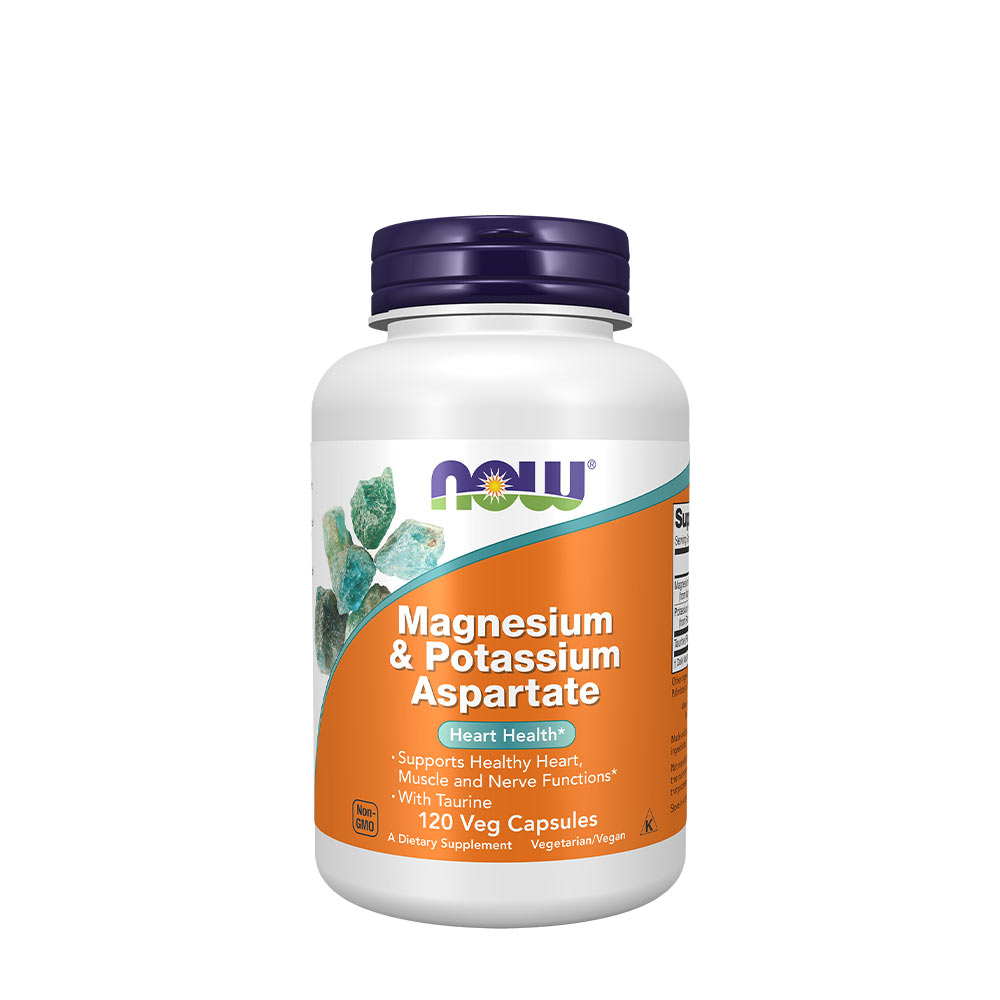
NOW Foods
NOW Foods - Magnesium & Potassium Aspartate - 120 Vcaps
210 krIn stockWhy is this shown?
Katalogkoppling till samtliga valda ingredienser · Ämnesnamnet förekommer i produktnamnet · I lager · Betyg 4.9 av 17 kunder

NOW Foods
Now Foods - Magnesium Bisglycinate Powder - 227g
235 krIn stockWhy is this shown?
Katalogkoppling till samtliga valda ingredienser · Ämnesnamnet förekommer i produktnamnet · I lager · Betyg 4.9 av 16 kunder

NOW Foods
Now Foods - Magnesium Glycinate - 180 Tabs
313 krIn stockWhy is this shown?
Katalogkoppling till samtliga valda ingredienser · Ämnesnamnet förekommer i produktnamnet · I lager · Betyg 4.9 av 17 kunder

NOW Foods
Now Foods - Magnesium Oxide - 227g
141 krIn stockWhy is this shown?
Katalogkoppling till samtliga valda ingredienser · Ämnesnamnet förekommer i produktnamnet · I lager · Betyg 4.9 av 15 kunder


