What is chelated magnesium? Forms, uses, and safety
Short answer
Chelated magnesium is a label term for a specific magnesium source form, but the word alone does not tell you everything about the supplement. The full label matters more: check the exact form, the elemental magnesium per serving, and the serving size before you compare products.
Quick facts
- Magnesium can be supplied in different source forms.
- Different forms may have different absorption rates.
- The label should show elemental magnesium per serving.
- Higher compound weight is not the same as more magnesium.
- Food intake can help, but one serving rarely covers the whole day.

What is chelated magnesium?
EFSA describes food supplements as concentrated sources of nutrients in dose form, and its guidance for new micronutrient sources focuses on safety and relative bioavailability, including a conversion factor for labelling purposes. That means the source form matters on the label, not just the word magnesium.
What the label word can tell you
In the material here, EFSA does not give a public chemistry definition of “chelate” or “complex.” What it does show is that magnesium can be supplied in different source forms, and the FDA notes that different forms of magnesium have varying rates of absorption.
What a shopper should read next
The practical value of the term is identification. It helps you see that the product is not just an unnamed magnesium source, but it does not tell you everything about the supplement. EFSA’s framework is about the source’s safety and relative bioavailability for labelling purposes, so the exact source name matters more than the marketing word alone. EFSA food-supplement guidance
| Label clue | What it can tell you | What it cannot tell you on its own |
|---|---|---|
| Different magnesium forms | The FDA says forms can have different absorption rates. | Which form is best for every buyer. |
| Source-form labelling | EFSA evaluates safety and relative bioavailability for labelling purposes. | The full performance of the product without the rest of the label. |
For that, the source name and the full label details need to be read together. EFSA food-supplement guidance
How does magnesium work in the body?
EFSA describes magnesium as a cofactor in more than 300 enzymatic reactions, including the synthesis of carbohydrates, lipids, nucleic acids and proteins, and says it is necessary for specific actions in the neuromuscular and cardiovascular systems.
Magnesium is a cofactor of more than 300 enzymatic reactions. EFSA
What that means in practice
How much adults need
The wider EFSA dietary reference value framework says reference values are developed for different life stages and sex groups, but the retrieved magnesium sources here do not list separate pregnancy or lactation AIs. EFSA magnesium AIs EFSA DRV summary report
| Group | EFSA adequate intake | What the retrieved EFSA sources show |
|---|---|---|
| Children | 170 to 300 mg/day | Varies by age source |
| Pregnancy | Not listed in the retrieved magnesium sources | No separate magnesium AI appears in the cited EFSA excerpts here source |
| Lactation | Not listed in the retrieved magnesium sources | No separate magnesium AI appears in the cited EFSA excerpts here source |
Why a shortfall can be hard to spot
A practical check is simple: compare your usual diet against the adult AI that matches your sex, then remember that children’s needs vary by age.
What do research and authorised claims support?
What magnesium can be claimed to do
EFSA’s Article 13 health-claims page separates “general function” claims from disease-risk claims.
These are claims about normal physiological function. They are not treatment claims, and they should not be read as proof that one supplement form works better than another.
| Claim type | How to read it | What not to infer |
|---|---|---|
| Popular marketing claim | Brand language about “support” or “performance” | Not automatically an authorised claim |
| Disease-risk claim | Different regulatory category under EFSA and FDA frameworks | Not the same as a normal-function magnesium statement |
What higher-quality reviews show
In FDA’s scientific evaluation of magnesium and high blood pressure, the agency notes that sodium intake also affects blood pressure and that the independent effect of magnesium intake could not be determined cleanly in the reviewed studies. That is a useful reminder that baseline magnesium status and other dietary factors matter when interpreting results.
EFSA’s food-supplement guidance also focuses on the safety and relative bioavailability of new sources, which is different from proving superior outcomes for a particular label wording or complex form. EFSA on food supplements and new micronutrient sources
The practical takeaway for labels
Which chelated forms absorb best?
What the supplied sources actually compare
The clearest comparison in the supplied sources comes from FDA, which names magnesium citrate, magnesium chloride, magnesium aspartate, and magnesium glycinate as forms that are typically better absorbed than oxide. The same FDA letter uses oxide as the reference point, so the practical comparison here is not “chelated versus non-chelated” in the abstract, but which listed form is being measured against oxide.

| Form | What the supplied sources support | What to compare on the label |
|---|---|---|
| Glycinate | Named by FDA as typically better absorbed than oxide FDA letter. | Check the declared magnesium amount, not just capsule weight. |
| Citrate | Named by FDA as typically better absorbed than oxide FDA letter. | Compare the stated magnesium amount per serving. |
| Chloride | Named by FDA as typically better absorbed than oxide FDA letter. | Look for the amount of magnesium the product declares for the serving. |
| Aspartate | Named by FDA as typically better absorbed than oxide FDA letter. | Do not assume a larger tablet means more magnesium. |
| Oxide | Used as the comparator in the FDA comparison FDA letter. | Use the label’s magnesium figure rather than the total compound weight. |
Bisglycinate, malate, and taurate
The supplied FDA and EFSA material does not give a separate head-to-head comparison for bisglycinate, malate, or taurate. The sources therefore support caution, not a blanket ranking across every product name shoppers may see online. EFSA’s food-supplement page instead says new micronutrient sources are assessed for safety and relative bioavailability, and that relative bioavailability can be quantified to derive a conversion factor for labelling purposes EFSA food supplements.
Why compound weight can mislead
A product can contain more total compound weight yet still provide less magnesium per serving, because the magnesium is only one part of the full compound. That is why the labelling question is the amount of magnesium the serving contributes, not the gross weight of the capsule or powder. EFSA’s conversion-factor language is the clearest cue in the supplied sources that form and label amount are not the same thing EFSA food supplements.
Higher compound weight is not the same as more magnesium.
What “gentle on the stomach” can and cannot mean
The supplied sources do not give a universal winner across all chelated forms, and they do not turn tolerance into a guarantee of better performance. If you are comparing products, use the labeled magnesium amount and the named form together, then treat any comfort claim as a separate issue from absorption FDA letter EFSA food supplements.
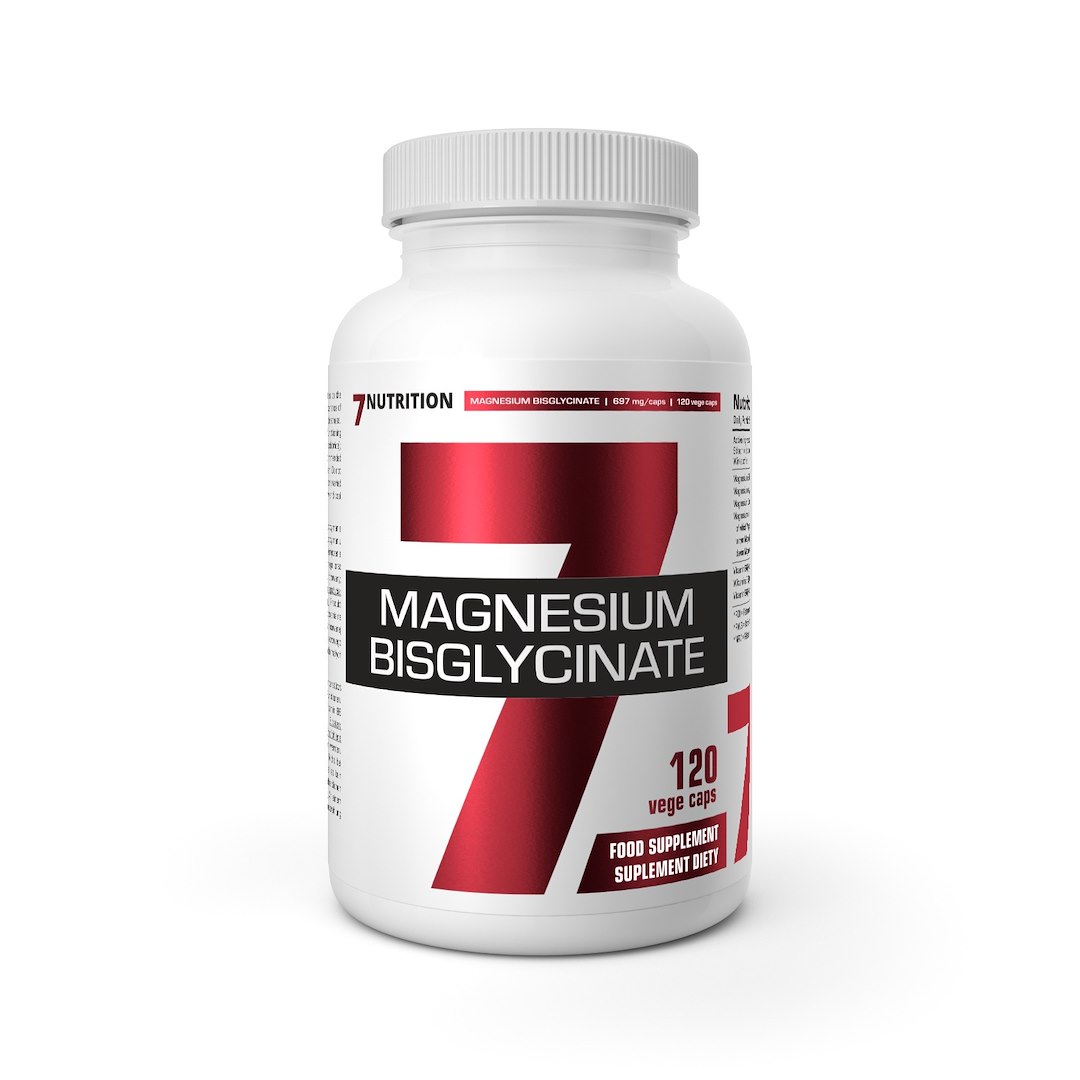
Products with bisglycinat
Which foods provide magnesium?
For adults, EFSA’s adequate intake is 350 mg/day for men and 300 mg/day for women. That gives you a useful benchmark: one food rarely closes the gap, but a day built from several magnesium-containing foods can make a meaningful contribution. USDA’s FoodData Central Foundation Foods is designed for this kind of check because it provides nutrient values for foods and the supporting sample metadata, and the search tool can look up nutrient content by food name or nutrient name.
Use the daily target as the reference point
USDA’s magnesium sheet shows that a 3 oz serving of oysters provides 28 mg of magnesium (USDA magnesium sheet). Against EFSA’s adult adequate intake, that is roughly 8% of a 350 mg target and 9% of a 300 mg target. In other words, even a food with measurable magnesium is usually only one piece of the day’s total.
| Reference | Amount | What it shows |
|---|---|---|
| EFSA adequate intake for men | 350 mg/day | Adult daily reference point |
| EFSA adequate intake for women | 300 mg/day | Adult daily reference point |
| Oysters | 3 oz = 28 mg | About 8–9% of the adult target |
Check the foods you actually eat
A practical food-first approach is to look up your own staples in FoodData Central and compare what you eat in household measures or per 100 g. USDA explains that Foundation Foods includes values for basic foods plus detailed information on sample number, location, collection date, and analytical method, and it notes that food values can vary with production site, season, post-harvest processing, and method. That matters because it is easy to overestimate intake if you assume a food is a rich source just because it is often discussed that way.
One serving can help, but magnesium intake is usually built from multiple foods across the day rather than from a single item.
Why food-first still matters when supplements are used
Even if someone takes a supplement, food data still shows whether the base diet already supplies a substantial share of the day’s magnesium. The value of that check is practical: it tells you whether your current meals are doing much of the work already, or whether your intake is likely to depend heavily on what you add outside meals. With USDA’s database, the same search can be repeated for the foods you regularly eat, so you can estimate intake from actual portions instead of guessing from the label name alone.
How do you choose a chelated magnesium supplement?
Start with the label, not the front of the pack
Food supplements are concentrated sources of nutrients or other substances sold in dose form, and in the EU they are regulated as foods EFSA food supplements overview. That means the product page and label matter more than a headline such as “high absorption” or “premium complex.” The manufacturer is responsible for safety before marketing, and the FDA says it does not review supplements for effectiveness before they enter the market FDA on dietary supplements and medications.

| Label field | What to compare | Why it matters |
|---|---|---|
| Elemental magnesium per serving | The actual amount of magnesium listed for one serving | This is the number you compare across products |
| Chelated form used | The named source on the label, such as an amino acid complex | Different source materials can be listed differently |
| Serving size | How many capsules, tablets, scoops, or powders make one serving | A larger serving can make the label look stronger than it is |
| Doses per container | Total servings in the bottle or pouch | This tells you how long the pack is likely to last |
EFSA says food supplements must show the names of the categories of nutrients or substances that characterise the product, the portion recommended for daily consumption, a warning not to exceed the stated daily dose, a statement that supplements should not replace a varied diet, and a statement to keep them out of the reach of young children EFSA food supplements overview.
Compare the product, not the marketing claim
When you are browsing pharmacy-style or retailer listings, compare the ingredient panel and the product details first. Useful filters include excipients, allergens, vegan suitability, capsule versus powder format, and whether the listing shows independent or third-party testing. A simple front-of-pack claim is not proof of absorption, safety, or superiority, and FDA notes that supplement ingredients can change the absorption, metabolism, or excretion of a medication FDA on interactions.
For a magnesium chelate complex, the practical question is: does the label clearly name the form, show the amount per serving, and tell you how many servings are in the pack? If that information is missing or buried, it is harder to compare one listing with another, even when the product names sound similar.
A quick shopping check before you add to cart
- Look for the element amount per serving, not just the total capsule weight.
- Check the exact chelated form named on the label.
- Confirm the serving size and the number of doses per container.
- Scan excipients, allergens, and whether the format fits your preferences.
- Prefer listings that give complete product details rather than only broad claims.
That approach keeps the decision on measurable label facts instead of marketing language.
Product amounts are not medical dose recommendations, and a bigger number on the label does not prove better absorption, better safety, or better quality.
What are the safety issues?
Common side effects and the dose link
The NIH Office of Dietary Supplements reports a tolerable upper intake level of 350 mg per day for supplemental (non-food) magnesium in adolescents over 8 and adults, including pregnant and lactating women. NIH Office of Dietary Supplements: Magnesium, Health Professional
Who should get medical advice first?
People with kidney disease or impaired kidney function should not self-start magnesium supplements without medical advice. The FDA also advises discussing supplements with a health professional before use if you take multiple medicines, have had recent illness or surgery, or are pregnant or breastfeeding. The NIH consumer fact sheet also flags high-dose zinc supplements as a situation that should be reviewed first. FDA: Mixing Medications and Dietary Supplements Can Endanger Your Health NIH Office of Dietary Supplements: Magnesium, Consumer
| Situation | Why it needs a check | Practical step |
|---|---|---|
| Kidney disease or impaired kidney function | Higher risk from taking extra magnesium | Ask a clinician before using a supplement |
| High-dose zinc supplements | Needs review with a healthcare professional | Check the full supplement stack first |
| Multiple medicines or upcoming surgery | Supplements can affect medication plans and perioperative care | Bring a complete list of products to your appointment |
Medicine interactions and time-sensitive situations
The NIH consumer fact sheet says magnesium supplements should be spaced away from bisphosphonates and certain antibiotics because binding can reduce drug absorption. If you use any prescription medicine regularly, ask a clinician or pharmacist how to time it with magnesium. The FDA also notes that supplements can affect heart rate, blood pressure, or bleeding risk around surgery, and that a health professional may ask you to stop supplements two or three weeks before a procedure. NIH Office of Dietary Supplements: Magnesium, Consumer FDA: Mixing Medications and Dietary Supplements Can Endanger Your Health
If you think you have taken too much magnesium, or you feel unwell after starting it, seek prompt medical advice rather than taking more. NIH Office of Dietary Supplements: Magnesium, Health Professional
How should you use it in practice?
Choose the form you can keep using
Some people choose chelated magnesium because the ODS notes that these forms may be better absorbed and may be less likely to cause diarrhea than oxide, carbonate, or chloride salts. The practical advantage is not chasing a “perfect” label; it is finding a form you can take the same way every day, because the evidence base still has limited head-to-head comparisons between forms. Magnesium - Health Professional Fact Sheet
Key takeaway: the most useful form is usually the one you can take consistently, not the one that sounds most advanced.
That is why a short trial should be judged on routine fit, not on marketing language. EFSA and FDA materials both emphasize that magnesium sources and supplement labels matter, and FDA notes that manufacturers are responsible for accurate labeling even though supplements are not reviewed for effectiveness before they enter the market. Food supplements | EFSA Mixing Medications and Dietary Supplements Can Endanger Your Health | FDA
Read the serving pattern, not the capsule count
For magnesium supplements, the number to watch is the stated elemental magnesium per serving. FDA’s petition review text describes dietary supplements containing 200 mg to 400 mg of elemental magnesium, while an ODS handout notes that many products provide 120 mg to 250 mg per serving. FDA Letter in Response to Petition for a Qualified Health Claim for Magnesium and Reduced Risk of High Blood Pressure (Docket No. FDA-2016-Q-3770) Microsoft Word - The_Scoop_May_2024
| Practical choice | What to do | Evidence-based label check |
|---|---|---|
| Chelated form | Use it if you want a form that may be easier to tolerate and keep using. | ODS notes chelated forms may be better absorbed and may be less likely to cause diarrhea than oxide, carbonate, or chloride salts. |
| Daily serving pattern | If the label calls for more than one serving, follow that same pattern each day rather than changing it from day to day. | ODS materials describe products that commonly provide 120 mg to 250 mg per serving and are often taken with food. |
| Multiple magnesium products | Add up all magnesium products before deciding whether the trial is still a good fit. | FDA materials describe elemental amounts per supplement serving, which is the figure that should be compared across products. |
Decide whether the trial is worth continuing
A sensible trial is one that stays stable long enough for you to evaluate the label, the serving pattern, and the place it has in your routine. If your diet changes, or you start another magnesium product, recalculate the total magnesium you are getting from all supplement sources so you are not comparing one day with another. Mixing Medications and Dietary Supplements Can Endanger Your Health | FDA
Reassess the product if the label does not clearly state elemental magnesium, if the serving pattern is hard to follow, or if you find yourself taking several magnesium products at once. FDA’s consumer guidance is also clear that you should tell your health care professional what supplements you are using, with the dosage and how often you take them, so the full routine can be reviewed rather than guessed at. Mixing Medications and Dietary Supplements Can Endanger Your Health | FDA
Beyond that, the best pattern is the one you can repeat accurately and document on the label, since consistency matters more than trying to switch forms in search of a single best option. Microsoft Word - The_Scoop_May_2024
Safety and precautions
Magnesium supplements can interact with some medicines, including bisphosphonates and certain antibiotics, and they may need to be stopped before surgery. If you take medicines regularly, have kidney disease, or notice symptoms after starting a supplement, ask a clinician or pharmacist for advice.
If you are pregnant, breastfeeding, or considering magnesium for a child, get personalised healthcare advice first. Children’s needs vary by age, so it is important to check the full routine and the product label before use.
Supplements with the ingredients in this article
Compare contents, dose and price
Frequently asked questions
Is magnesium bisglycinate the same as chelated magnesium?
The material here does not give a public chemistry definition that makes those terms exact synonyms. Bisglycinate is one named form shoppers may see, so it is safer to read the exact source name on the label instead of assuming the words mean the same thing.
Does the word “complex” on a magnesium label mean it is better absorbed?
No. The word can help identify the source form, but by itself it does not prove better absorption or better performance. The label details and the exact magnesium source are more useful than the marketing word alone.
How do I tell whether a supplement lists elemental magnesium or compound weight?
Look for the amount of magnesium stated per serving; that is the elemental magnesium figure you can compare across products. A larger capsule or powder weight can reflect the whole compound, not the magnesium amount itself.
Can I get enough magnesium from food alone?
Yes, if your diet already provides enough magnesium across the day. The body here says one food rarely closes the gap, but several magnesium-containing foods can make a meaningful contribution, so it is worth checking your usual diet against the adult intake reference.
What is the main difference between magnesium citrate and magnesium chelate?
Citrate is a specific magnesium source form, while chelated magnesium is a broader label term used for a named source form. The main practical difference in shopping is that you should compare the exact form listed on the label, not assume the broader word tells you everything.
How should I compare two magnesium products if I am shopping online or in a pharmacy?
Compare the elemental magnesium per serving, the exact form named on the label, the serving size, and the number of doses per container. It also helps to check excipients, allergens, and whether the format fits your preferences, because a front-of-pack claim alone is not enough.
Sources
- Food supplements | EFSA (external link)
- Dietary reference values: magnesium and phosphorus | EFSA (external link)
- Dietary Reference Values for nutrients Summary report (external link)
- Health claims (art. 13) | EFSA (external link)
- USDA National Nutrient Database-Magnesium (external link)
- Foundation Foods Documentation | USDA FoodData Central (external link)
- Magnesium - Health Professional Fact Sheet (external link)
- Magnesium - Consumer (external link)
- Mixing Medications and Dietary Supplements Can Endanger Your Health | FDA (external link)
- FDA Letter in Response to Petition for a Qualified Health Claim for Magnesium and Reduced Risk of High Blood Pressure (Docket No. FDA-2016-Q-3770) (external link)
- Microsoft Word - The_Scoop_May_2024 (external link)
Read more
Products related to this article
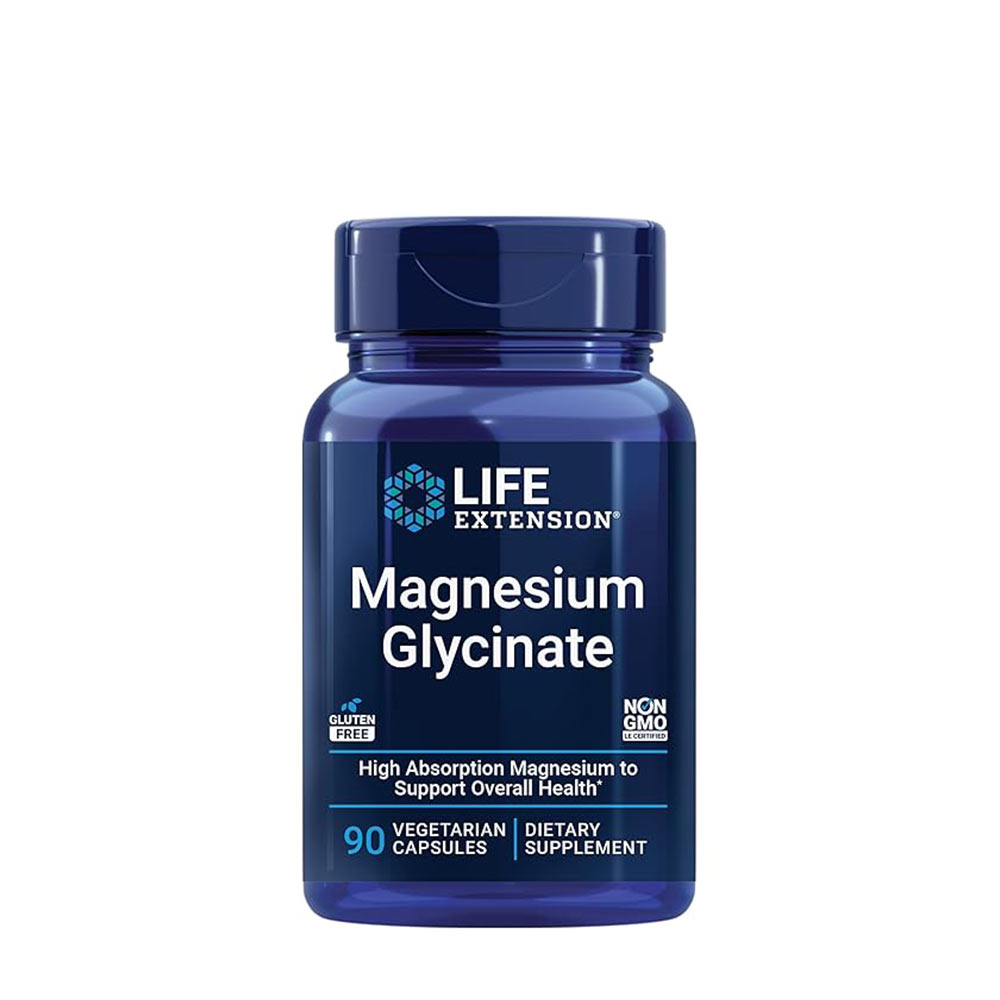
Life Extension
Life Extension - Magnesium Glycinate - 90 Vcaps
260 krIn stockWhy is this shown? Innehåller alla ämnen artikeln handlar om · Renodlat tillskott — ämnet står i produktnamnet · I lager · Betyg 5.0 av 8 kunder
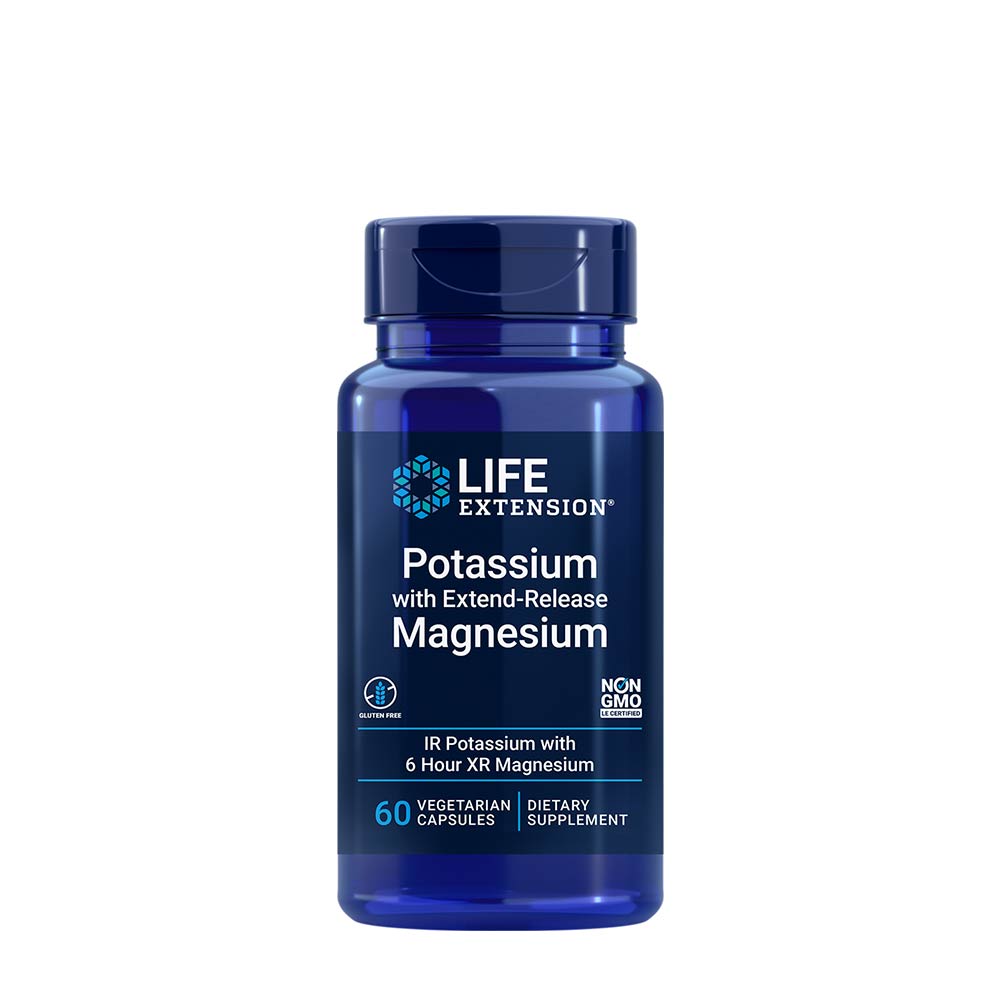
Life Extension
Life Extension - Potassium with Extend-Release Magnesium
165 krIn stockWhy is this shown? Innehåller alla ämnen artikeln handlar om · Renodlat tillskott — ämnet står i produktnamnet · I lager · Betyg 5.0 av 8 kunder

NOW Foods
NOW Foods - Calcium & Magnesium, Citrate Powder With Vitamin D3 - 227g
218 krIn stockWhy is this shown? Innehåller alla ämnen artikeln handlar om · Renodlat tillskott — ämnet står i produktnamnet · I lager · Betyg 5.0 av 8 kunder
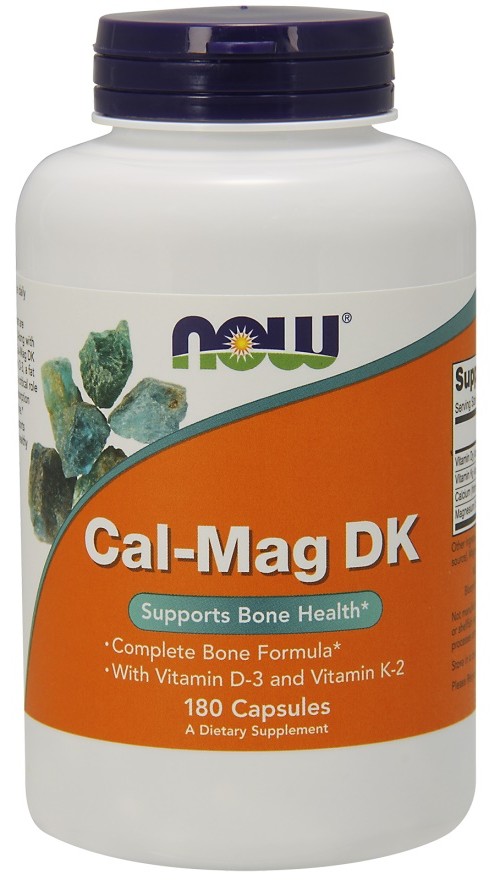
NOW Foods
NOW Foods - Calcium Magnesium Dk - 180 Caps
228 krIn stockWhy is this shown? Innehåller alla ämnen artikeln handlar om · Renodlat tillskott — ämnet står i produktnamnet · I lager · Betyg 5.0 av 8 kunder