Magnesium supplement: Uses, forms, dosage, and safety in Ireland
Short answer
Magnesium supplements are available in many forms in Ireland, with citrate and oxide being the most common. Always consult a healthcare professional before starting supplementation, especially if you are pregnant, taking medication, or considering use for children.
Quick facts
- Magnesium is an essential mineral found in many foods and supplements.
- Citrate and oxide are the most common forms in Tigoo’s range of 779 magnesium products.
- Median magnesium dose per product in the Tigoo range is 120 mg.
- Authorised claims: magnesium contributes to normal bones, muscle function, energy-yielding metabolism, reduction of tiredness and fatigue, and normal functioning of the nervous system (if at least a source of magnesium).
- Always consult a healthcare professional before use if pregnant, breastfeeding, taking medication, or for children.

How it works
Magnesium is an essential mineral involved in hundreds of biochemical reactions in the human body. Approximately 50% to 60% of the body's total magnesium is stored in the bones, with most of the remainder found in soft tissues. The body cannot produce magnesium, so it must be obtained from food or supplements.
Magnesium is vital for normal muscle and nerve function, energy metabolism, and bone maintenance.
Magnesium acts as a cofactor for enzymes that regulate energy production, muscle contraction, and nervous system function. It also plays a structural role in bones and is involved in the transport of other minerals, such as calcium and potassium. This mineral is necessary for the synthesis of DNA and RNA, and for the maintenance of electrical potentials across cell membranes, which is critical for nerve impulse transmission and muscle contraction.
Magnesium's role in energy metabolism is particularly important. It is required for the activation of adenosine triphosphate (ATP), the main energy molecule in cells.
It also helps regulate levels of parathyroid hormone and vitamin D, both of which influence bone health.
Within the nervous system, magnesium modulates the activity of neurotransmitter receptors and helps maintain the balance of excitatory and inhibitory signals. This is essential for normal nervous system function and may explain why magnesium is often discussed in relation to stress and relaxation, although only the authorised claims can be made.
What the research and authorised claims say

Only certain health claims for magnesium are authorised in the EU, and these may be used only for foods or supplements that are at least a source of magnesium. These claims are supported by scientific evidence and have been reviewed by the European Food Safety Authority (EFSA):
- Magnesium contributes to the maintenance of normal bones.
- Magnesium contributes to normal energy-yielding metabolism.
- Magnesium contributes to a reduction of tiredness and fatigue.
- Magnesium contributes to normal muscle function.
- Magnesium contributes to the normal functioning of the nervous system.
These claims apply only if the supplement provides at least 15% of the nutrient reference value (NRV) for magnesium per serving. For adults, the NRV for magnesium is 375 mg per day. This means a supplement must provide at least 56.25 mg of magnesium per daily dose to use these claims.
The scientific evidence supporting these claims comes from a range of studies examining magnesium's role in human physiology. Its effect on energy metabolism is due to its involvement in ATP synthesis, as previously described.
While many other effects are discussed in popular media, such as improved sleep, mood, or cognitive function, these are not authorised claims and cannot be presented as established effects for magnesium supplements.
Key limitations
They are not a substitute for a balanced diet or medical treatment. The effects of supplementation may vary depending on individual dietary intake, absorption, and health status.
Supplements should not replace a varied diet or medical advice.
Some claims commonly found online, such as magnesium improving sleep quality, mood, or weight loss, are not authorised and cannot be stated as established effects.
Magnesium absorption can be influenced by several factors. For example, high intake of dietary fiber, phytates (found in whole grains and legumes), and certain medications can reduce magnesium absorption. Conversely, individuals with gastrointestinal disorders, such as Crohn’s disease or celiac disease, may have impaired magnesium absorption and could be at increased risk of deficiency.
Magnesium status is also affected by age, with older adults sometimes experiencing lower absorption and higher urinary losses. However, supplementation should only be considered when dietary intake is insufficient or when there is a specific increased need, and always under the guidance of a healthcare professional.
How to choose
With 779 magnesium products in Tigoo’s range, consumers in Ireland have a wide selection of forms, doses, and combinations to consider. The most common forms are magnesium citrate and magnesium oxide. Each form has different properties in terms of absorption, elemental magnesium content, and suitability for individual needs.
Magnesium supplements are available as tablets, capsules, powders, effervescent tablets, and even as topical preparations such as oils and creams. However, only oral forms are supported by evidence for systemic effects.
Comparison of common magnesium forms
| Form | Number of Products (Tigoo) | Elemental Magnesium (%) | Typical Use |
|---|---|---|---|
| Magnesium citrate | 39 | ~16% | Often chosen for higher absorption |
| Magnesium oxide | 30 | ~60% | High elemental content, lower absorption |
| Other forms (e.g. , bisglycinate, malate) | Varies | Varies | Marketed for specific preferences |
When choosing a magnesium supplement, consider:
- Form: Citrate is often preferred for absorption, while oxide provides more elemental magnesium per tablet. Other forms such as magnesium bisglycinate are sometimes chosen for their perceived gentleness on the stomach, but evidence for superiority is limited.
- Dosage: The median dose in Tigoo’s range is 120 mg per serving. Check the label for the amount of elemental magnesium, as this is the active component. Some products list the total compound weight, which can be misleading.
- Combination products: Some supplements combine magnesium with other minerals or vitamins, such as zinc or vitamin B6. Only use combination products if you need the additional nutrients. Unnecessary intake of other nutrients can lead to imbalances or excesses.
- Suitability: Check if the product is suitable for vegetarians, vegans, or those with allergies. Some capsules may contain gelatin or other animal-derived ingredients.
- Quality and certification: Choose products from reputable manufacturers that follow good manufacturing practices. Look for third-party certifications or quality seals, which can provide additional assurance of product safety and content accuracy.
It is also important to consider the presence of fillers, binders, or artificial additives, especially if you have sensitivities. Some individuals may prefer products with minimal excipients or those labeled as free from common allergens.
Magnesium in food vs supplements
Magnesium is naturally present in many foods, including green leafy vegetables, nuts, seeds, whole grains, and legumes. Supplements may be considered if dietary intake is insufficient or if there are increased needs.
Dietary magnesium is generally well absorbed, especially from plant-based sources. However, the actual absorption rate can vary depending on the food matrix and the presence of inhibitors such as phytates. For most healthy adults, a balanced diet can provide adequate magnesium, but certain groups—such as older adults, people with gastrointestinal disorders, or those with increased needs due to high physical activity—may require supplementation.
| Food Source | Magnesium per 100g |
|---|---|
| Pumpkin seeds | ~535 mg |
| Almonds | ~270 mg |
| Spinach (cooked) | ~87 mg |
| Whole wheat bread | ~75 mg |
| Black beans (cooked) | ~70 mg |
Processed foods tend to have lower magnesium content, as refining grains removes much of the mineral. Therefore, a diet high in processed foods may increase the risk of inadequate magnesium intake.
Magnesium from supplements is absorbed in the small intestine. The absorption rate can vary depending on the form of magnesium, the presence of other nutrients, and individual digestive health. Some forms, such as citrate and chloride, are more soluble in water and may be better absorbed than less soluble forms like oxide.
What to compare when buying magnesium supplements in Ireland
- Check the form of magnesium and its absorption characteristics.
- Review the dosage per serving and compare to the NRV (375 mg for adults).
- Assess if the supplement is a single mineral or combined with others (e.g. , zinc, chromium).
- Look for third-party quality certifications.
- Consider your dietary intake and whether supplementation is necessary.
- Evaluate the cost per serving, as prices can vary widely between brands and forms.
- Check for clear labeling of elemental magnesium content, not just the compound weight.
- Read reviews or seek recommendations from healthcare professionals for reputable brands.
It is also advisable to avoid products making unauthorised health claims or promising unrealistic benefits, as these may not comply with EU regulations.
Safety, interactions and risk groups
Magnesium supplements are generally considered safe for most adults when used as directed. However, excessive intake can cause gastrointestinal symptoms such as diarrhea, nausea, and abdominal cramping. Very high intakes may lead to more serious effects, especially in individuals with kidney impairment.
The tolerable upper intake level (UL) for supplemental magnesium (from supplements and fortified foods, not including food sources) is set at 250 mg per day for adults, primarily to avoid gastrointestinal side effects. Intakes above this level may increase the risk of adverse effects, especially in sensitive individuals.
Some medications, such as certain antibiotics (e.g. , tetracyclines, quinolones) and diuretics, can interact with magnesium supplements. Magnesium can reduce the absorption of these medications if taken at the same time. It is generally recommended to separate magnesium supplements and these medications by at least two hours.
Magnesium supplements are not recommended for children or during pregnancy and breastfeeding without medical supervision. Children have lower requirements and are more sensitive to excess intake. Pregnant and breastfeeding women may have increased needs, but supplementation should only be done under professional guidance.
Individuals with kidney disease or impaired kidney function are at higher risk of magnesium accumulation and should avoid magnesium supplements unless prescribed by a healthcare provider.
If you are pregnant, breastfeeding, taking medication, or have a medical condition, consult a healthcare professional before using magnesium supplements. Do not exceed the recommended dose on the product label. Supplements should not replace a varied and balanced diet.
Signs of excessive magnesium intake include diarrhea (the most common side effect), as well as nausea, abdominal pain, and, in severe cases, irregular heartbeat or low blood pressure. If any adverse effects occur, discontinue use and seek medical advice.
Who might consider magnesium supplementation?

While most healthy adults can meet their magnesium needs through a balanced diet, certain groups may be at higher risk of inadequate intake or increased losses:
- Older adults, due to reduced absorption and increased urinary losses.
- Individuals with gastrointestinal disorders (e.g. , Crohn’s disease, celiac disease, chronic diarrhea).
- People with high alcohol intake, as alcohol increases urinary magnesium loss.
- Those with poorly controlled diabetes, which can also increase urinary losses.
- Individuals with diets low in magnesium-rich foods.
- People experiencing high physical stress or athletes with increased needs.
For these groups, a healthcare professional may recommend magnesium supplementation if dietary measures are insufficient. However, self-diagnosis and self-supplementation are not advised, as excessive intake can be harmful.
How to use magnesium supplements
Magnesium supplements are typically taken once daily, but the timing can vary. Some people prefer to take magnesium in the evening, as it may help with muscle relaxation, but there is no established best time for all users.
Magnesium can be taken with or without food, but taking it with a meal may reduce the risk of gastrointestinal discomfort. If you experience loose stools, try reducing the dose or splitting it into two smaller doses taken at different times of day.
Always follow the instructions on the product label and do not exceed the recommended daily dose. If you are using other supplements or medications, check for potential interactions.
Storage and shelf life
Store magnesium supplements in a cool, dry place, away from direct sunlight and moisture. Keep the container tightly closed to prevent degradation. Most supplements have a shelf life of two to three years if stored properly, but always check the expiration date before use.
Do not use supplements past their expiration date, as potency and safety cannot be guaranteed.
Safety and precautions
Magnesium supplements are generally safe for healthy adults when used as directed. However, excessive intake may cause gastrointestinal symptoms such as diarrhea, nausea, or abdominal cramps. Individuals with kidney problems, those taking medication, pregnant or breastfeeding women, and children should consult a healthcare professional before use. Do not exceed the recommended dose. Supplements are not a substitute for a varied and balanced diet. Always read the product label and follow usage instructions.
Supplements with the ingredients in this article
Compare contents, dose and price
Frequently asked questions
best magnesium supplement ireland
The best magnesium supplement depends on individual needs, dietary intake, and preferences regarding form (such as citrate or oxide), dosage, and additional ingredients. Look for products that provide at least 15% of the nutrient reference value for magnesium per serving and are certified for quality. Consult a healthcare professional for personalised advice.
boots magnesium supplement
When comparing magnesium supplements in Ireland, consider the form (e.g. , citrate, oxide), dosage, and whether the product meets your dietary preferences and needs. Always check the label for the amount of elemental magnesium and any additional ingredients. Consult a healthcare professional if unsure.
magnesium supplement women
Magnesium needs for women are generally similar to those for men, but requirements may vary during pregnancy or breastfeeding. Women should choose a supplement that provides at least 15% of the nutrient reference value for magnesium per serving and consult a healthcare professional for individual recommendations.
chromium magnesium zinc supplement
Some supplements combine magnesium with other minerals like chromium and zinc. These may be chosen for convenience, but it is important to ensure that each mineral is present in an appropriate amount and that the combination suits your individual needs. Consult a healthcare professional before starting combination supplements.
magnesium supplement for muscles
Magnesium contributes to normal muscle function, provided the supplement is at least a source of magnesium. If you are considering magnesium for muscle support, check that the product meets this criterion and consult a healthcare professional if you have specific concerns.
magnesium supplement for weight loss
There are no authorised health claims for magnesium supplements related to weight loss.
magnesium supplement lidl
When evaluating magnesium supplements, regardless of the retailer, compare the form, dosage, and quality certifications. Ensure the product provides at least 15% of the nutrient reference value for magnesium per serving. Consult a healthcare professional if you have questions about suitability.
magnesium lidl
When considering magnesium supplements from any store, review the form of magnesium, dosage, and whether the product meets your dietary needs. Always read the label and consult a healthcare professional if you are unsure about which supplement to choose.
Sources
- EFSA: Authorised health claims for magnesium
- National food agencies: General recommendations on mineral supplements
- Tigoo product catalogue: Number of products, forms, and median dose
Read more
Products related to this article
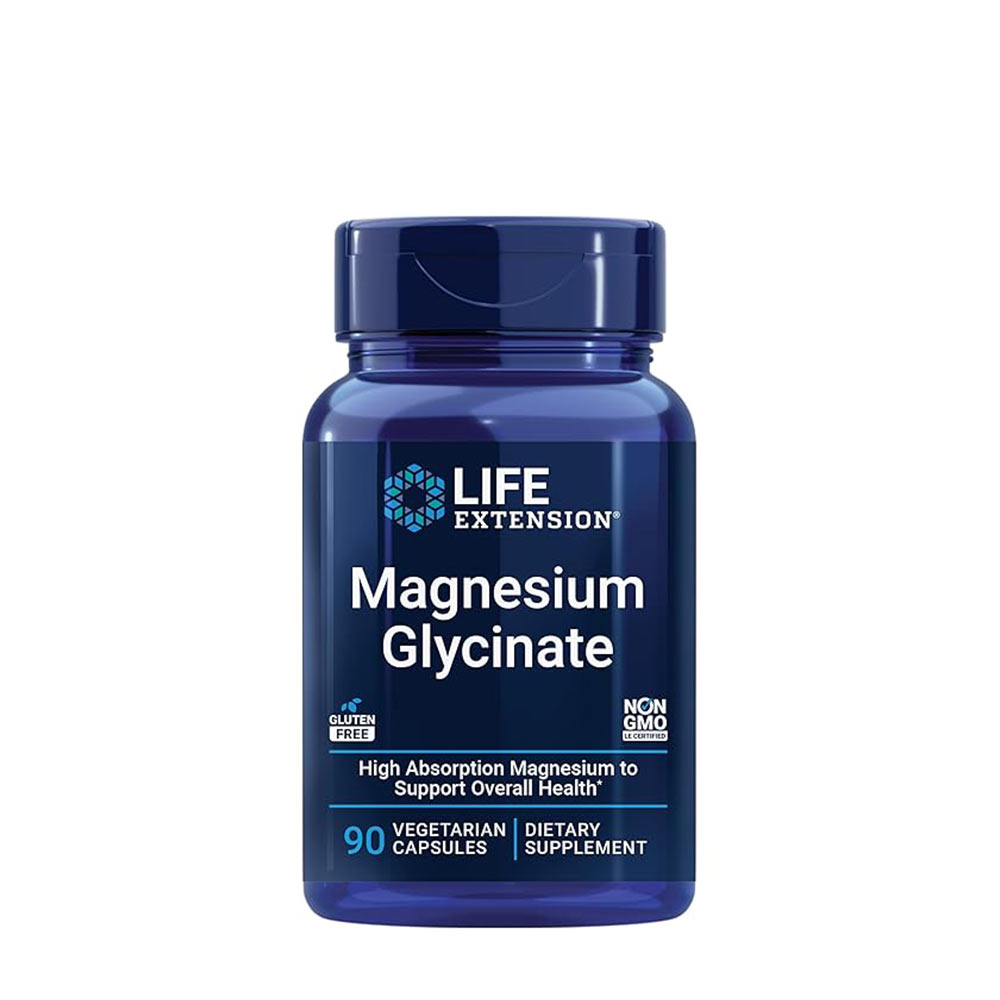
Life Extension
Life Extension - Magnesium Glycinate - 90 Vcaps
260 krIn stockWhy is this shown? Innehåller alla ämnen artikeln handlar om · Renodlat tillskott — ämnet står i produktnamnet · I lager · Betyg 5.0 av 8 kunder
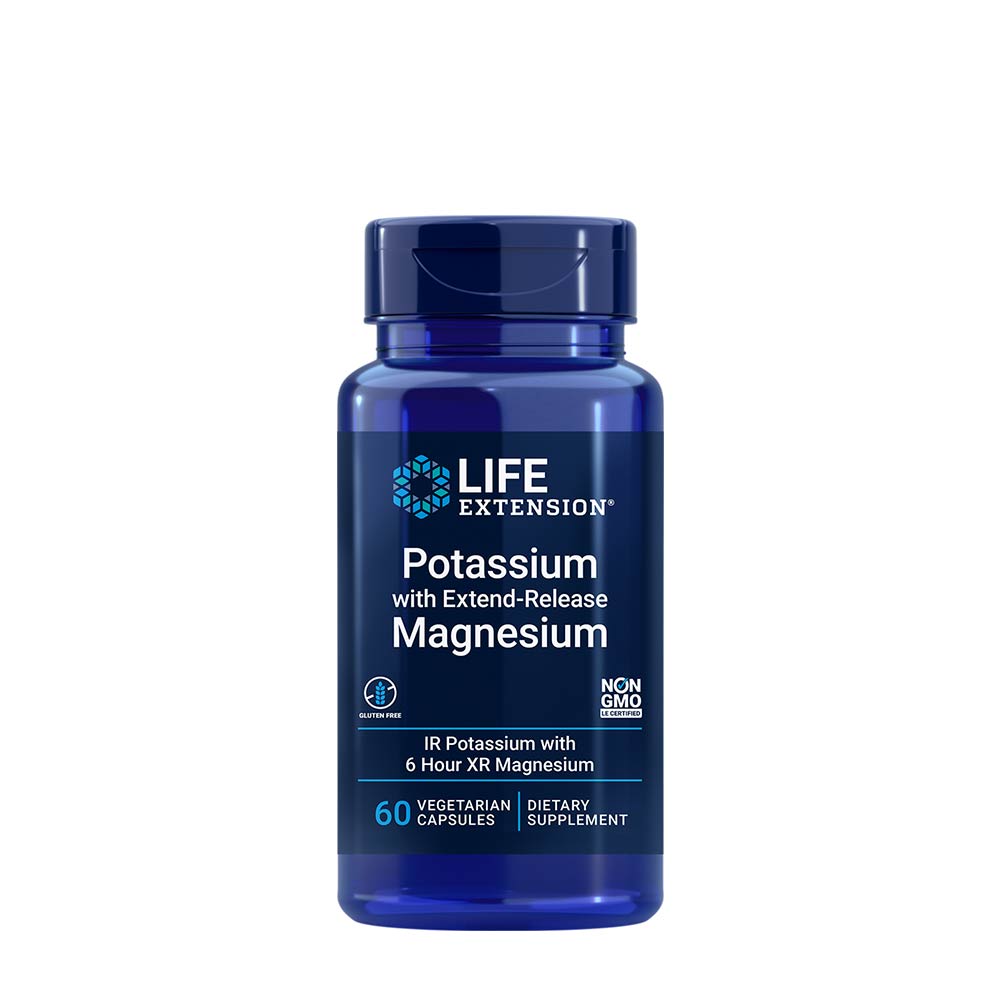
Life Extension
Life Extension - Potassium with Extend-Release Magnesium
165 krIn stockWhy is this shown? Innehåller alla ämnen artikeln handlar om · Renodlat tillskott — ämnet står i produktnamnet · I lager · Betyg 5.0 av 8 kunder

NOW Foods
NOW Foods - Calcium & Magnesium, Citrate Powder With Vitamin D3 - 227g
218 krIn stockWhy is this shown? Innehåller alla ämnen artikeln handlar om · Renodlat tillskott — ämnet står i produktnamnet · I lager · Betyg 5.0 av 8 kunder
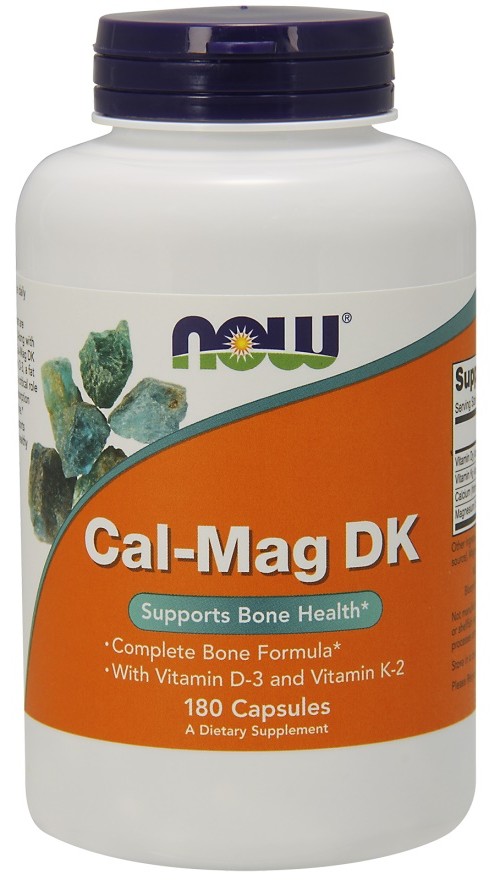
NOW Foods
NOW Foods - Calcium Magnesium Dk - 180 Caps
228 krIn stockWhy is this shown? Innehåller alla ämnen artikeln handlar om · Renodlat tillskott — ämnet står i produktnamnet · I lager · Betyg 5.0 av 8 kunder
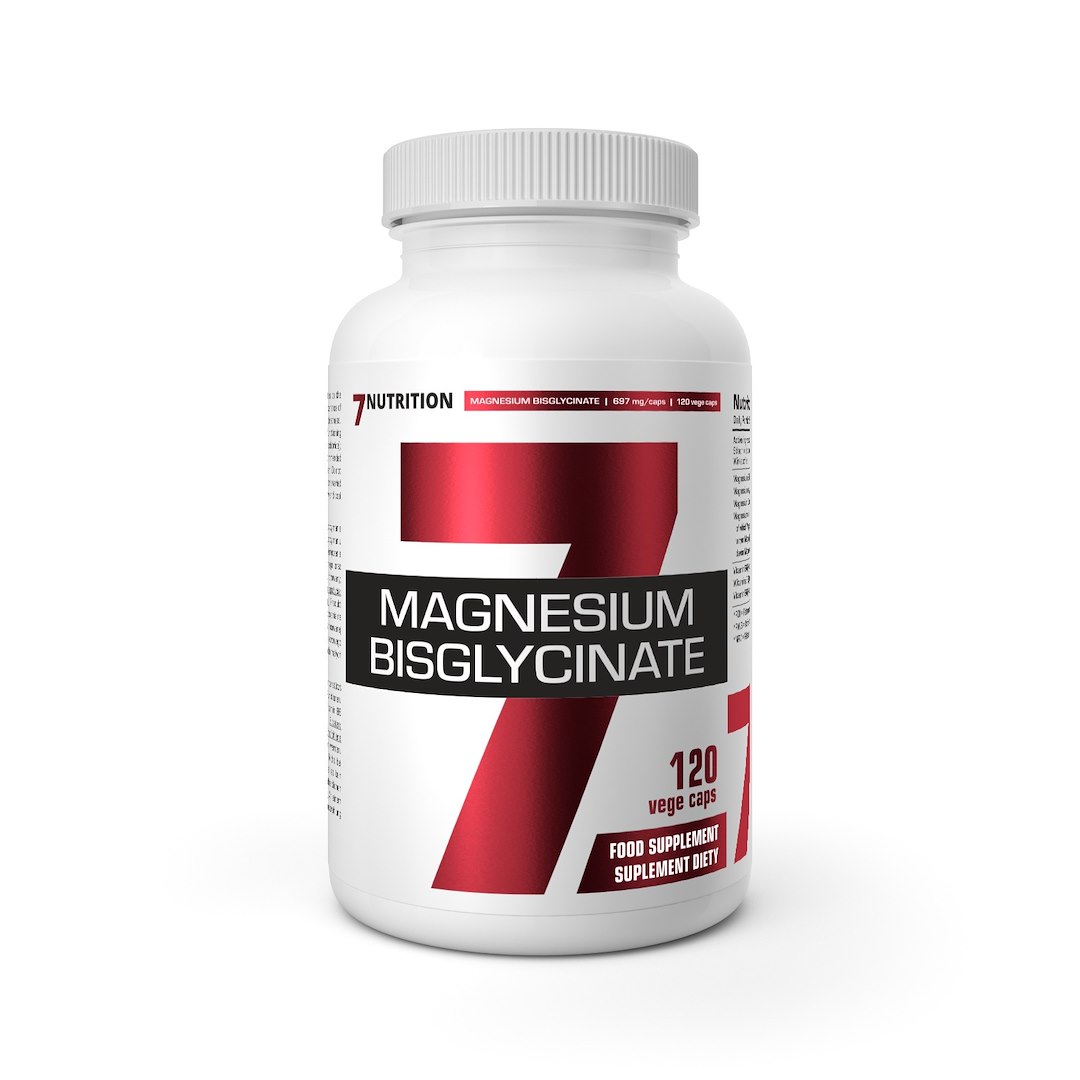
7 Nutrition
7 Nutrition - Magnesium Bisglycinate - 120 Vcaps
152 krIn stockWhy is this shown? Innehåller alla ämnen artikeln handlar om · Renodlat tillskott — ämnet står i produktnamnet · I lager