Supplements
158 articles in this topic.
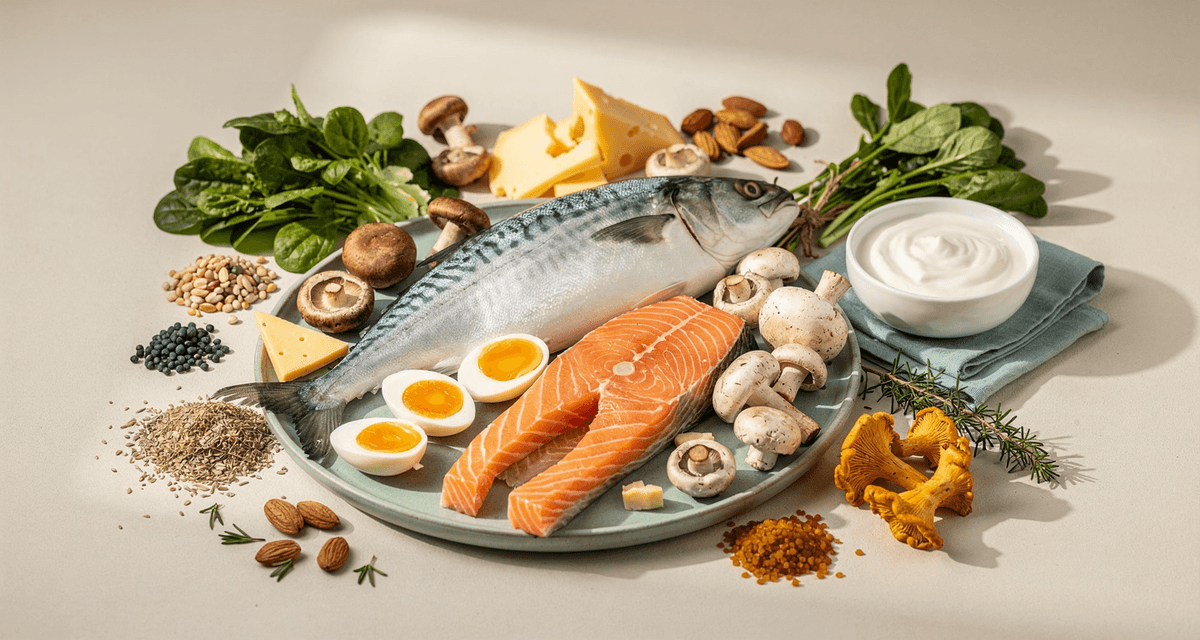
Which foods are high in vitamin D? Sources, data & tips
The highest measured examples in the cited food tables are cod liver oil and fatty fish such as rainbow trout and sockeye salmon. UV-treated mushrooms and fortified foods such as milk, some plant-based drinks and some breakfast cereals can also provide vitamin D, while fruits are not listed among the higher-vitamin D examples in the cited data.

Collagen Peptides: What Are They, and How Do They Work?
Collagen peptides are collagen that has been broken down into smaller fragments, usually from animal sources such as fish, bovine hide or bone, porcine skin, or chicken tissues. After swallowing, they are broken down further in the gut, and small amino acids and peptide fragments can appear in blood.

Magnesium Tablets: What to Know, How to Choose, and Safety
Magnesium tablets are a way to add magnesium when your diet is not providing enough. The key choices are the elemental magnesium amount, the salt form, and whether the product fits your safety needs.

Vitamin D3 Supplement: What to Know, How to Choose, Safety
Vitamin D3 is cholecalciferol, the supplement form your body converts into the active hormone used in calcium and phosphate regulation. The best choice depends on the dose, age, diet, and whether you want D3 on its own or in a combined formula. Safety mainly means avoiding duplicate vitamin D and staying within age-specific upper limits.

Magnesium Threonate: What Is It, How Does It Compare, and What Should You Know?
Magnesium threonate is a magnesium salt that provides elemental magnesium, not a separate mineral on its own. When comparing it with other forms, check the elemental magnesium amount, the salt form, and how well you tolerate it rather than relying on capsule size or marketing claims.

Collagen: What Is It and How Is It Used?
Collagen is a family of fibrous proteins found in connective tissues. EU material cited here also distinguishes collagen itself from hydrolysed proteins derived from bovine hides, which are mixtures of polypeptides, peptides and amino acids obtained from collagen. No authorised EU health claims were provided for collagen in the material used for this guide.
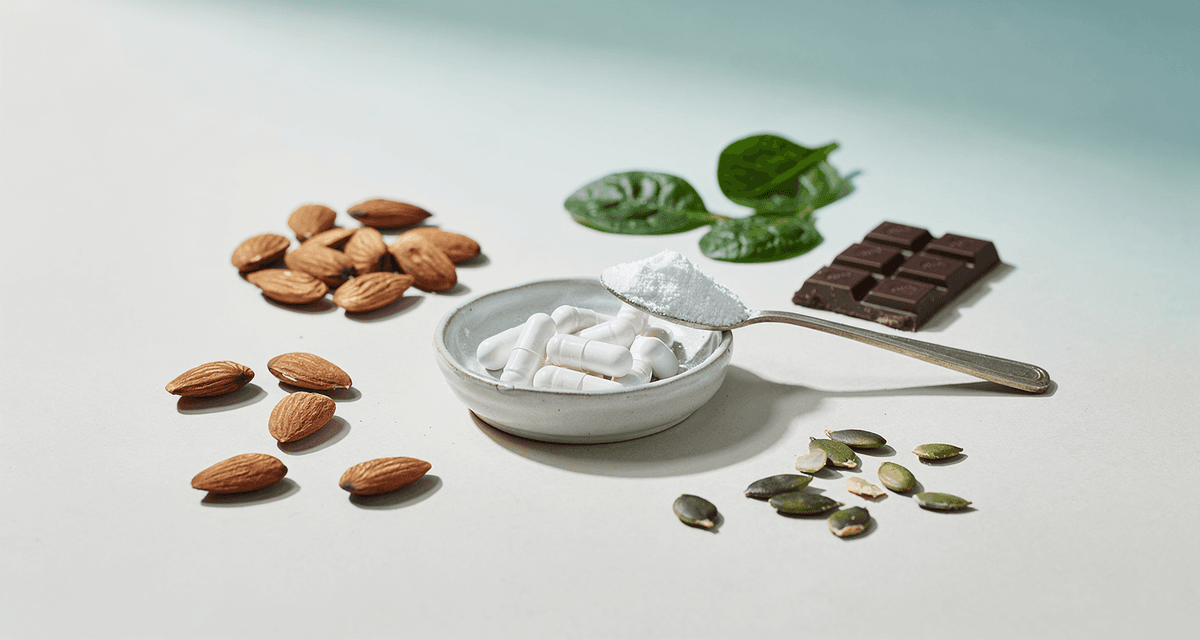
Magnesium Citrate: What Is It, Benefits, Side Effects & How to Choose
Magnesium citrate is a magnesium salt made from magnesium and citric acid. People use it as a supplement to add magnesium, and at much larger doses it is used as a laxative. When choosing one, compare the elemental magnesium per daily serving, the exact form, and the full ingredient list.

Creatine: What Is It, Forms, Use & Safety Guide
Creatine is a naturally occurring compound found in the body, mainly in muscles, and is also present in protein-rich foods. It is available as a dietary supplement in several forms, with creatine monohydrate being the most widely used. Always consult a healthcare professional before starting any supplement.
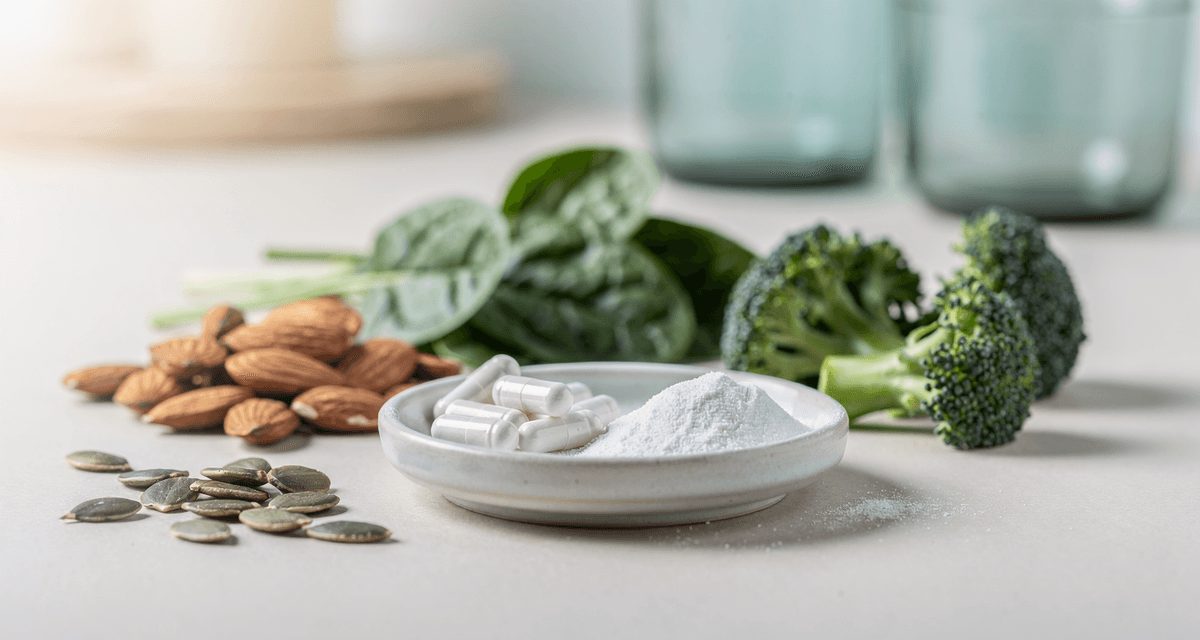
Magnesium Oxide: Uses, Formula, Dosage, and How to Choose the Right Magnesium Supplement
Magnesium oxide is MgO, a compound made from magnesium and oxygen. When you compare supplements, the elemental magnesium per serving matters more than the compound weight on the front label. The article also shows that magnesium forms differ in solubility and absorption, so the best choice depends on your goal.

Protein Bars: What to Know, Types, and How to Choose
Protein bars are packaged foods that can help fill a protein gap when regular protein-rich food is not practical. In the EU, the label claim matters: “source of protein” and “high protein” have fixed thresholds. The best choice depends on the protein source, serving size, and the full nutrition panel.
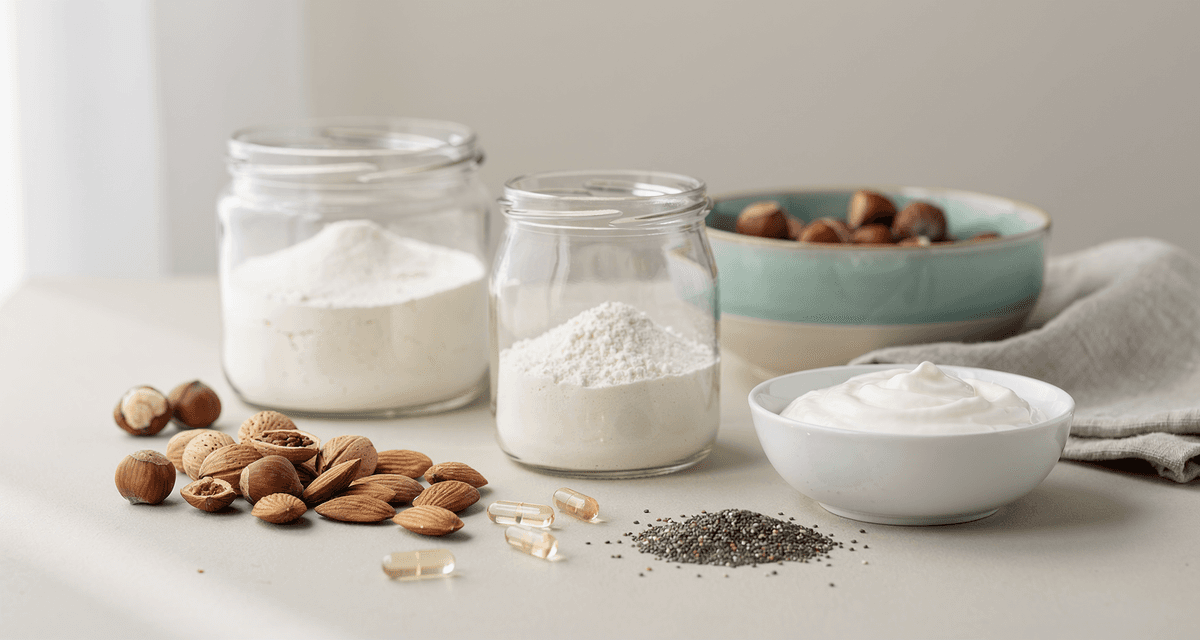
Protein powder: What to know, types, and how to choose
Protein powder is a concentrated supplement meant to complement a normal diet, not replace meals. The best choice depends on your diet, your protein target, and whether you want whey, casein, or a plant-based option.
Whey Protein: What Is It, Types, How to Choose, and Key Facts
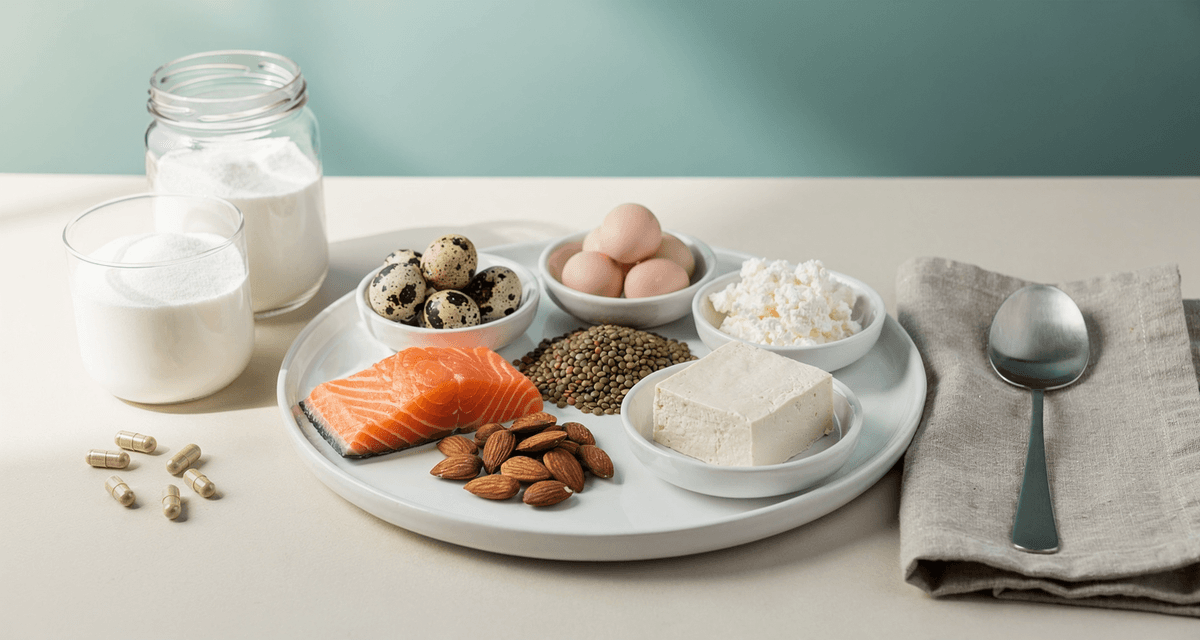
Whey protein is the smaller protein fraction in milk, and products can differ because processing changes protein, lactose, minerals, moisture, fat, and ash. The best way to choose a tub is to compare the ingredient list, protein per 100 g, protein per serving, and any sweeteners or flavourings on the label.

Vitamin D: Causes, Risk Groups & Official Guidance
Vitamin D deficiency disease is when low vitamin D has gone beyond a blood result and started to affect bones and mineral balance. In children, it is called rickets; in teens and adults, it is osteomalacia. Many people have no clear symptoms, so a blood test is usually needed.
Magnesium Glycinate: What Is It, Benefits, Dosage, and How to Choose?
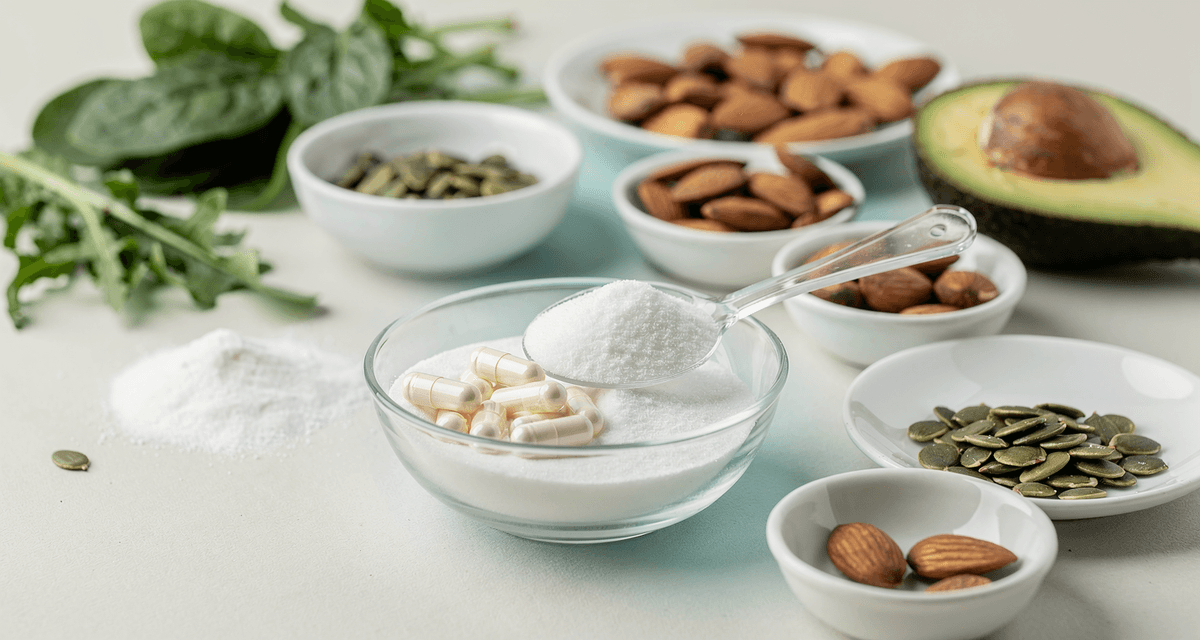
When comparing products, the key number is elemental magnesium per serving, not the full compound weight. The best choice usually comes down to the label, the amount you need, and whether you want a form chosen for bowel effect or routine supplementation.