Supplements
158 articles in this topic.

What is potassium phosphate?
Potassium phosphate is a family name for three separate salts: monobasic, dibasic and tribasic. The exact salt name, hydrate state and CAS number matter because labels and specifications identify the specific compound, not just a general phosphate.

What is liposomal vitamin C?
Liposomal vitamin C is ordinary vitamin C packaged in lipid vesicles for oral delivery. The body says it may improve blood-level markers in some studies, but it has not been shown to deliver better real-world health outcomes than standard vitamin C.

When is the best time to take creatine?
The best time to take creatine is the time you can keep up every day. Research has not found a clear winner before, during, or after training, so consistency matters more than the clock. If a post-workout or meal-based routine helps you remember it, that is a practical choice.

Is L-ascorbic acid the same as vitamin C?
Yes. The body says vitamin C is also known as L-ascorbic acid, and labels may also list ascorbic acid or ascorbate salts such as sodium ascorbate or calcium ascorbate. These are different ingredient names that still provide vitamin C.

What is chelated iron and how does it work?
Chelated iron is iron bound to another molecule, forming a chelate such as ferrous bisglycinate. The chelate name tells you the form, but the elemental iron amount on the label tells you how much iron the serving provides.

What are calcium tablets for?
Calcium tablets are used to help top up calcium intake when food does not reliably cover the daily total. They are not a replacement for a varied diet, and the label matters because calcium amounts are listed per serving.

What should you know about vitamin C powder?
Vitamin C powder is a measured powder form of the same essential nutrient, so the main difference is practical rather than nutritional. The label matters most: check the exact source, serving size, and any added ingredients before you buy or use it.

What Is Potassium Food and How Much Do You Need?
Potassium food means foods that naturally contain potassium and show it on the label. How much you need depends on which adult reference value you follow, and portions, cooking method, and medical advice can change what fits your plate.

What are potassium supplements?
Potassium supplements are concentrated sources of potassium in dose form, used when diet alone is not enough or when losses are increased. They are not the same as potassium-rich foods, and the amount that matters on the label is elemental potassium, not the compound weight.

Terranova magnesium: what should you check?
Check the label first: the daily serving, the amount of elemental magnesium, and the exact magnesium form. Also look at suitability details such as vegan status, allergens, and capsule material, then compare the dose with your overall diet and any medicines you use.

Collagen supplements for skin: what to compare
The supplied evidence points to hydrolyzed collagen peptides as the most studied oral option for sagging skin, not gelatin or intact collagen. The changes studied were modest and measured over weeks, mainly in hydration, elasticity and wrinkle scores.

When should you take iron tablets?
Iron tablets are generally used when iron deficiency or iron-deficiency anaemia has been diagnosed, not for unexplained tiredness. They are usually taken on an empty stomach if tolerated, and should be kept away from tea, coffee and other absorption blockers.

Vitamin B12 1000 mcg: what should I compare?
Compare the serving size first, then the amount per serving, the number of servings in the pack, and the exact B12 form listed. A 1000 mcg label is far above routine daily reference amounts, so the practical choice depends on how the serving is defined and why you are taking it.
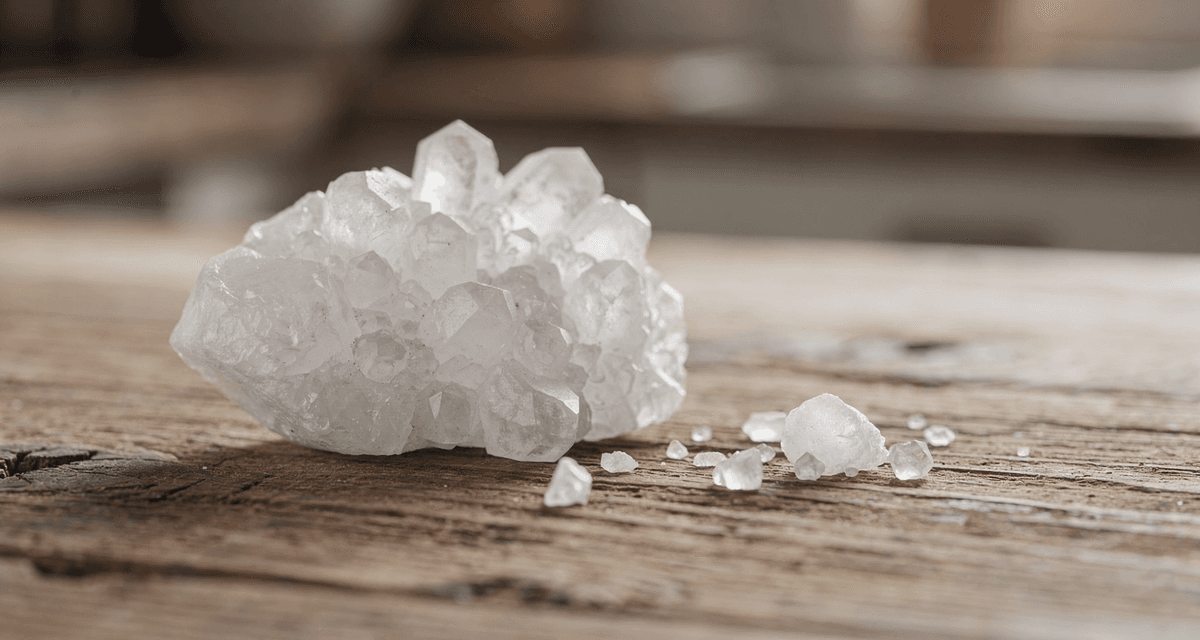
What is potassium chloride?
Potassium chloride, usually written KCl, is a potassium ingredient used in foods, supplements, and medicines. The label tells you whether it is being used as a food additive, a source of potassium, or an electrolyte medicine.
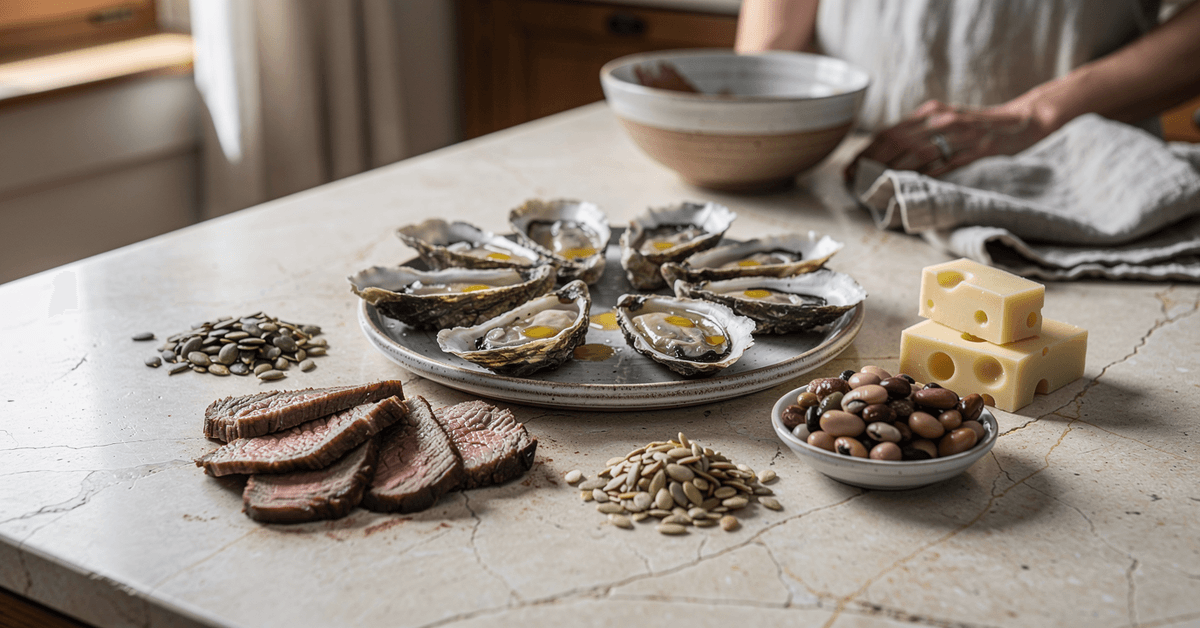
Which Foods Are Highest in Zinc?
Oysters are the highest-zinc foods in the figures discussed here, far ahead of other foods on both serving-size and approximate 100 g comparisons. After oysters, beef ranks highly, while fortified cereals, pumpkin seeds, some beans, cheese, tofu, and yoghurt can also add meaningful amounts depending on the serving size.

What Is Collagen 3?
Collagen 3 usually means type III collagen, a recognised collagen type in human biology. It is built from three identical alpha-1(III) chains and is especially associated with large blood vessels, the uterus, the bowel and skin alongside type I collagen. When comparing products, check the full ingredient name, source, form and amount per serving.

Which Zinc Tablets Make Sense to Buy?
Zinc tablets are mainly a way to cover a real intake gap, not an automatic upgrade for everyone. The most useful checks are the zinc amount per serving, whether food could meet your needs first, and whether the product could overlap with other supplements or medicines.

Which iron supplement should you choose?
Choose an iron supplement by the elemental iron per serving, the iron form, and the daily schedule rather than the biggest number on the front of the pack. Standard ferrous salts are common and well absorbed, while lower-dose liquids or alternate-day use may suit tolerance better. If you have low ferritin, anaemia, pregnancy, unexplained symptoms, or are buying for a child, get medical advice first.

Vitamin D for Babies 0-6 Months: How Much?
Formula-fed babies taking less than 500 ml a day are usually given the same amount, while babies having 500 ml or more of fortified formula generally do not need a separate supplement. If a clinician advises a different dose, follow that advice.

Zinc lozenges: what should you check first?
The first thing to check is the zinc amount in the Supplement Facts panel, not the front-label name or total lozenge weight. Then read the zinc source, other ingredients, and directions so you can compare products properly.

Vitamin D 5000 IU: what does it mean?
Vitamin D 5,000 IU means 125 µg of vitamin D. EFSA lists a tolerable upper intake level of 100 µg per day for adults, pregnancy and lactation, which equals 4,000 IU, so 5,000 IU is above that level. When comparing products, focus on the declared amount for the daily use shown on the label and your total intake from all sources.

Protein Intake in Resistance Training Studies
In studies of healthy adults who do resistance training, total daily protein intakes of 1.4-2.0 g per kg of body weight per day are commonly discussed, and several dose-response analyses reported smaller additional changes above about 1.6 g/kg/day. A practical way to plan intake is to calculate a daily total from body weight and spread it across the day in servings of about 20-40 g, or around 0.25 g/kg.

High Protein Snacks: What Should You Compare?
Compare high-protein snacks by protein per 100 g or 100 ml, serving size, energy value and the wider nutrition panel, not by front-of-pack grams alone. In the EU, “source of protein” and “high protein” are legal nutrition claims based on protein’s share of energy.

HSE Vitamin D: What to Know About Sources, Use and Safety
The HSE uses age, season and sun exposure to guide vitamin D advice in Ireland. Many adults are advised 15 micrograms (600 IU) daily from Halloween to St Patrick's Day, while some groups, including adults aged 65 and over, are advised to use it all year.