Supplements
158 articles in this topic.

Magnesium Uses: What Is Magnesium Used For?
Magnesium is used by the body for muscle and nerve function, energy production, protein synthesis, bone structure, DNA and RNA synthesis, and regulation of blood glucose, blood pressure, and normal heart rhythm. In practice, magnesium supplements are mainly used to increase intake when diet is not enough; evidence for disease-specific uses is limited, with only modest average blood-pressure effects and cautious, medically supervised use for migraine.

Calcium: How Much Do You Need and How to Choose
Most adults need 1,000 mg of calcium per day from all sources, while women 51–70 and all adults 71+ need 1,200 mg/day in current U.S. NIH ODS guidance. If a supplement is needed, check the elemental calcium on the Supplement Facts panel, take calcium carbonate with food or calcium citrate with or without food, and keep single supplemental doses at 500 mg or less when practical.

Which Vegetables Contain Vitamin D? Sources, Facts & Guidance
Ordinary vegetables are not meaningful natural vitamin D sources in the official guidance cited here. Mushrooms are fungi rather than vegetables; some UV-exposed mushrooms contribute vitamin D. Fortified foods can also supply it.

Vitamin D Drops: What to Know, How to Choose, Safety
Vitamin D drops can be a practical way to meet vitamin D needs, but the important details are the exact amount per serving, whether the product contains D2 or D3, and whether the dose fits the user’s age without exceeding the age-specific upper limit.

PrizMAG Magnesium: What the Label Shows and How to Compare It
PrizMAG’s label should be read by checking the magnesium form, the elemental magnesium per serving, and the recommended daily portion. That is the clearest way to compare it with other products, because the salt name and serving size change what the numbers mean.

How Many IU Are in 25 µg Vitamin D? Conversion, Dosage & Facts
25 µg vitamin D equals 1,000 IU, and it also equals 0.025 mg. Whether that amount suits you depends on your age, total intake from all sources, and your blood 25(OH)D result.

Selenium: Functions, Sources, Dosage & Safety Guide
Selenium is an essential trace element that the body uses to make selenoproteins. A supplement can help when intake from food is low, but the total amount from all sources matters because more is not better.

Which fruits contain vitamin D? Facts, sources & guidance
Fresh fruit does not naturally provide a reliable amount of vitamin D. Some fruit juices and nectars can have vitamin D added, so the label tells you whether the product is actually a source.

What is the Common Name for Magnesium Sulphate?
Magnesium sulphate is commonly called Epsom salt or Epsom salts. In UK English it is usually spelled magnesium sulphate, while in US English it is magnesium sulfate; both names refer to the same salt.

Vegan High Protein Diet: What to Know, How to Choose
A vegan high-protein diet starts with the adult protein baseline of 0.83 g per kg of body weight per day, then uses varied plant foods or powders to help meet it. The best choice is the one you can use consistently, while checking serving size, calories, protein grams, and the full ingredient list.

Dr Doireann Collagen: What to Know Before Choosing a Supplement
Collagen supplements are oral products that contain collagen-related ingredients such as collagen, hydrolysed collagen, gelatine, or collagen peptides. The format, whether powder, capsule, liquid, or shot, mainly changes convenience; it does not prove better performance. Check the label, source, serving size, per-serving amount, and any added ingredients before choosing.
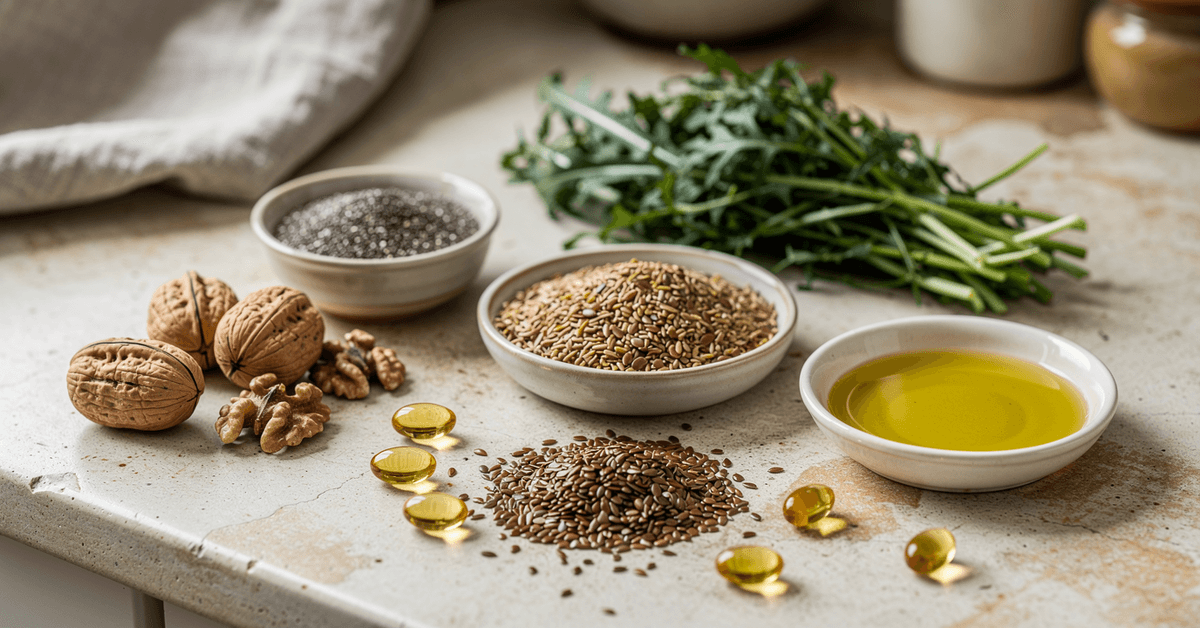
Omega-3 Foods: What Are the Best Sources and How to Choose?
The best omega-3 foods depend on whether you want ALA, EPA and DHA, or a fish-free option. Flax, chia, walnuts and rapeseed oil provide ALA, while algal oil and cultivated marine algae provide direct EPA and DHA without fish.

What is Theonia Collagen Complex? Ingredients, Form, Uses, and How to Choose
Theonia Collagen Complex is a capsule supplement that provides 1,000 mg hydrolysed marine collagen (type I) plus vitamin C, vitamin E, biotin, zinc, iodine from sea kelp, and hyaluronic acid per two-capsule daily serving. What can be verified confidently from the product pages is the formula, capsule form, and fish-derived source; independent review evidence does not currently show reliable clinical proof that collagen supplements prevent or treat skin aging.

What are the benefits of magnesium for men?
Magnesium is most useful for men when it helps fill a gap in intake.

Vitamin D When Pregnant: What to Know, Dosage, and Safety
Pregnancy vitamin D needs are usually discussed as daily totals from all sources, not as treatment doses. The article cites 10 µg/day (400 IU) in Sweden and 15 µg/day (600 IU) in U.S. pregnancy guidance, with 100 µg/day (4,000 IU) as the upper limit. Count your prenatal, any extra vitamin D, and fortified foods together, and ask a healthcare professional if you take medicines or have kidney, malabsorption, or similar conditions.

What Are the Main Sources of Zinc? Food, Absorption & Key Facts
Oysters are the richest food source of zinc in the body’s comparison, but beef, cheese, pumpkin seeds, fortified breakfast cereal, whole wheat bread, lentils, and yogurt also contribute. How much zinc you absorb depends on the rest of the meal, especially phytate, and supplements should be compared by elemental zinc per serving.

Vitamin E Oil: What It Is, Uses, and Evidence-Based Facts
Vitamin E oil is a topical or oral product containing vitamin E, a fat-soluble antioxidant nutrient. Consult a healthcare provider before use, especially for children, pregnancy, or if taking medication.

Vitamin B2 (Riboflavin): What It Does, Sources, and Safety
It is found in a variety of foods, and most people can meet their needs through a balanced diet. Deficiency is rare but can occur in specific groups.

Vitamin C Serum: What It Is, How It Works, and How to Choose
Vitamin C serum is a topical skincare product designed to deliver vitamin C directly to the skin. Choosing the right serum involves considering concentration, form, pH, and supporting ingredients.

Vitamins and Supplements: What to Know Before You Buy
A vitamin supplement makes sense when your diet is likely short on a specific nutrient, not as a replacement for meals. Compare the exact nutrient, dose, serving size, format, and other ingredients, and check with a health professional if you take medicines, are pregnant, or are buying for a child.

Biotin for Hair: What Does the Science Say?
The science says biotin is most useful when a deficiency or rare disorder is present. In people with normal biotin status, evidence that extra biotin regrows hair is weak and inconsistent, and it is not a treatment for hair loss. The approved claim is that biotin contributes to the maintenance of normal hair.

Vitamin B1 (Thiamine): What It Does, Sources, and How to Choose
Vitamin B1 is thiamine, a water-soluble vitamin with very small body stores. Thiamine contributes to normal energy-yielding metabolism and thiamine contributes to the normal functioning of the nervous system. The article also explains food sources, common supplement forms, and how to compare labels.

Vitamin D Dose: Recommended Intake, Timing, and Safety
For most healthy adults, the routine intake figures in the supplied guidance are 10–15 µg daily, with 20 µg daily for adults over 70 in NIH/NASEM guidance. The adult upper limit is 100 µg per day, and taking vitamin D with a meal that contains some fat is the best-supported timing.

Magnesium Powder: What to Know, How to Choose, and Safety Tips
Magnesium powder is an oral supplement format, not a different nutrient. The key label details are elemental magnesium per serving, the salt form, and the full ingredient list. It can cause loose stools, cramping, or nausea, so medicine use, pregnancy, and children call for healthcare advice.