Supplements
158 articles in this topic.

What Is a Vitamin D Spray?
A vitamin D spray is an oral supplement that delivers a measured dose into the mouth as a spray or mist. It is a delivery method, not a separate nutrient, and the label matters more than the format.

What is thiamine 100 mg used for?
Thiamine 100 mg is a treatment-strength vitamin B1 dose, not a routine daily requirement. It is used in prescribed oral regimens for deficiency and in clinician-directed injectable protocols in higher-risk situations.

What is riboflavin deficiency?
Riboflavin deficiency is another name for ariboflavinosis, and it is not diagnosed from a single symptom alone. The full picture usually includes diet history, mouth, skin and eye signs, and a functional lab marker such as EGRAC.

What is biotin 5000 µg in mg?
Biotin 5000 µg equals 5 mg. On a supplement label, that is the declared amount per serving, and it is far above ordinary adult reference intakes. The front-of-pack number shows quantity, not whether the product is better or more suitable for you.

Probiotics Ireland: what should you check?
Check the exact strain name, the CFU per serving, and whether the count is guaranteed through the end of shelf life. Also confirm the intended use, storage instructions, and full ingredient list before you buy.

Probiotics Super 8: What to Know Before You Buy
Super 8 is Flora Health’s branded eight-strain probiotic, not a generic “super 8” label. The bottle gives strain codes, capsule count, CFU figures through expiry, and storage instructions, so the exact label matters more than the product name.

What are the main sources of vitamin D?
The main sources of vitamin D are UVB sunlight on uncovered skin, naturally vitamin D-rich foods, fortified foods, and supplements. In practice, the best source depends on season, location, diet, and how reliable your routine is.

Magnesium Sachets: What to Know Before You Buy
Magnesium sachets are single-serve powder supplements, so the key label checks are elemental magnesium, source form, serving size and added ingredients. They can be a convenient drink format, but the sachet itself does not make magnesium faster, better absorbed or more effective than tablets or capsules.

Baby probiotics: What parents need to know before choosing
Baby probiotics are not all the same, because the exact strain, dose, format, and storage instructions matter. Parents should compare the full label, not just the word probiotic, and get medical advice first for premature, hospitalized, medically fragile babies or any baby taking prescription medicines.

What is caffeine and how much is safe?
Caffeine is the active ingredient in coffee, tea, energy drinks and many supplements. It acts in the brain by blocking adenosine, is absorbed quickly, and for healthy adults the main reference points are 200 mg at one time and 400 mg a day from all sources.

Magnesium vs Manganese: What’s the Difference and How to Choose?
Magnesium is the broader, more common supplement question: it is a major mineral used widely in energy, muscle and nerve function. Manganese is a trace element used more narrowly by enzymes, so it is usually considered only for a specific dietary review or total-intake check.

How Much Calcium Per Day Do Women Need?
For women, calcium is best measured as a total daily intake from food, drinks and supplements combined, not as a supplement dose. In U.S. guidance, women 19–50 need 1,000 mg/day and women 51+ need 1,200 mg/day; EFSA uses 950 mg/day from age 25.

What is Solgar Vitamin D3 4000 IU?
Solgar Vitamin D3 4000 IU is a vitamin D3 supplement with 4,000 IU per serving, which equals 100 µg. The number tells you the strength per serving, not that it is the right choice for everyone, so it is worth checking the serving size and your total intake from all sources.

25µg Vitamin D: What Does It Mean and How to Choose?
25 µg vitamin D means 25 micrograms, which equals 1,000 IU. To choose a product, check the serving size first, then the form and whether the label is per tablet, per two tablets, or per daily portion.

What do vitamin E capsules do?
Vitamin E capsules usually provide alpha-tocopherol, the form used to set vitamin E requirements. They supply a nutrient form involved in normal antioxidant function, but the exact form and amount on the label matter because mixed tocopherols and tocotrienols are different compounds. The only authorised EU wording is "Vitamin E contributes to the protection of cells from oxidative stress," and it applies only to foods that are at least a source of vitamin E.

What are the benefits of collagen tablets?
The clearest research signal for collagen tablets is a modest improvement in skin hydration after weeks, with some symptom relief reported for osteoarthritis. Evidence for nails, hair and bone is much less certain, and results depend on the exact collagen type, dose and study group.

Viridian Magnesium: Forms, Label Amounts and Comparisons
Compare Viridian magnesium by elemental magnesium, serving size and form, not by compound weight alone. The bisglycinate, citrate and blend products all use different label layouts, so the number to check first is the elemental magnesium per serving.

What is Protein? Forms, Uses, and How to Choose
Protein is a chain of amino acids that the body uses to make its own proteins, including proteins needed to grow and maintain tissues. Choosing a product means looking at the full-day protein total, the protein per serving, the ingredient list, the allergen panel, and the format you will actually use.

What Is Magnesium? Forms, Uses, and Nutrition
Magnesium is an essential dietary mineral, not a vitamin. It is a naturally occurring element that the body uses in many enzyme reactions, and it comes from food, drinking water, and supplements.

What Is Zinc and How Do You Choose It?
Zinc is an essential trace mineral found in food and supplements. This page explains how to compare daily amounts, read labels, choose a form, and check safety details.

Probiotic Foods: What Are They and How to Choose?
Probiotic foods are foods that still contain live microorganisms in adequate amounts when you eat them. Not every fermented food qualifies, so the finished product, label, and storage conditions matter most.

Biotin Supplements: What to Know Before You Buy
Before you buy biotin, check the daily portion, the amount per portion in micrograms or milligrams, and whether the product contains other ingredients. The authorised claims are "Biotin contributes to the maintenance of normal hair" and "Biotin contributes to the maintenance of normal skin", and they are about maintenance, not rapid cosmetic change.
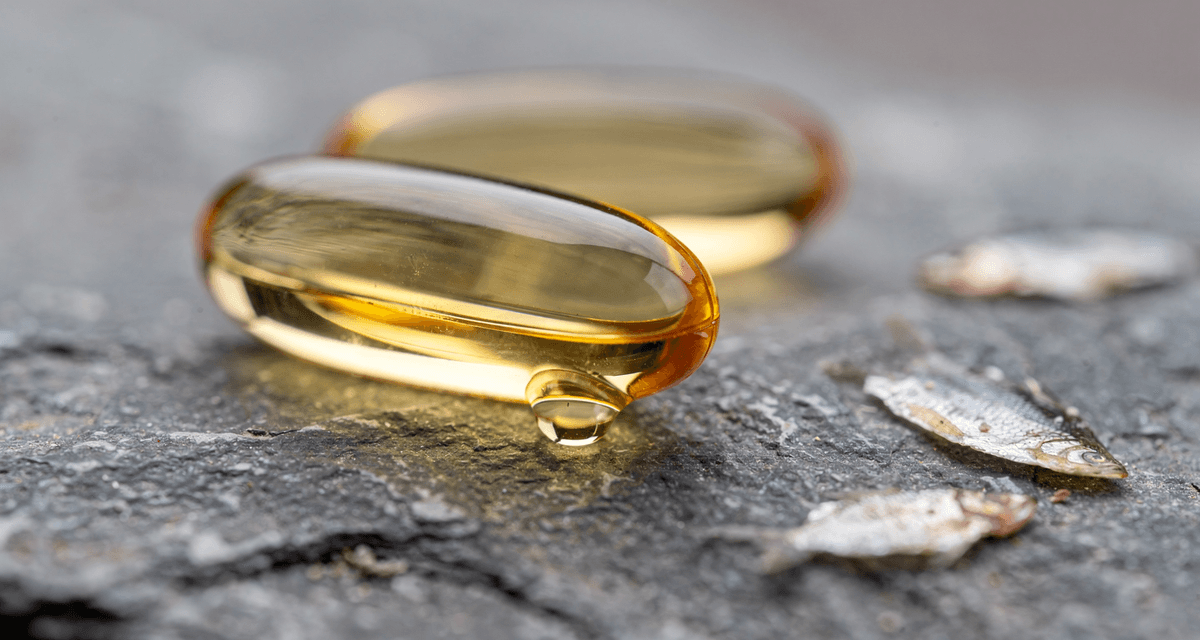
What are omega-3 capsules and how do you compare them?
Omega-3 capsules are supplements made from fish oil, krill oil, cod liver oil, or cultivated algae. The most important comparison is the separate EPA and DHA amounts on the label, because the headline oil weight does not show the active omega-3 content.

What is soy protein isolate?
Soy protein isolate is the most refined soy protein fraction, made from defatted soy flakes after more non-protein material is removed. It is usually about 90% protein or more on a dry-matter basis and is used in foods for its protein content and functional properties.